
Brewers vs Rays World Series: small-market baseball takes center stage
Two stingy clubs, one ring, and a quiet warning for baseball’s money men.
 Beatrice Kensington6 min read
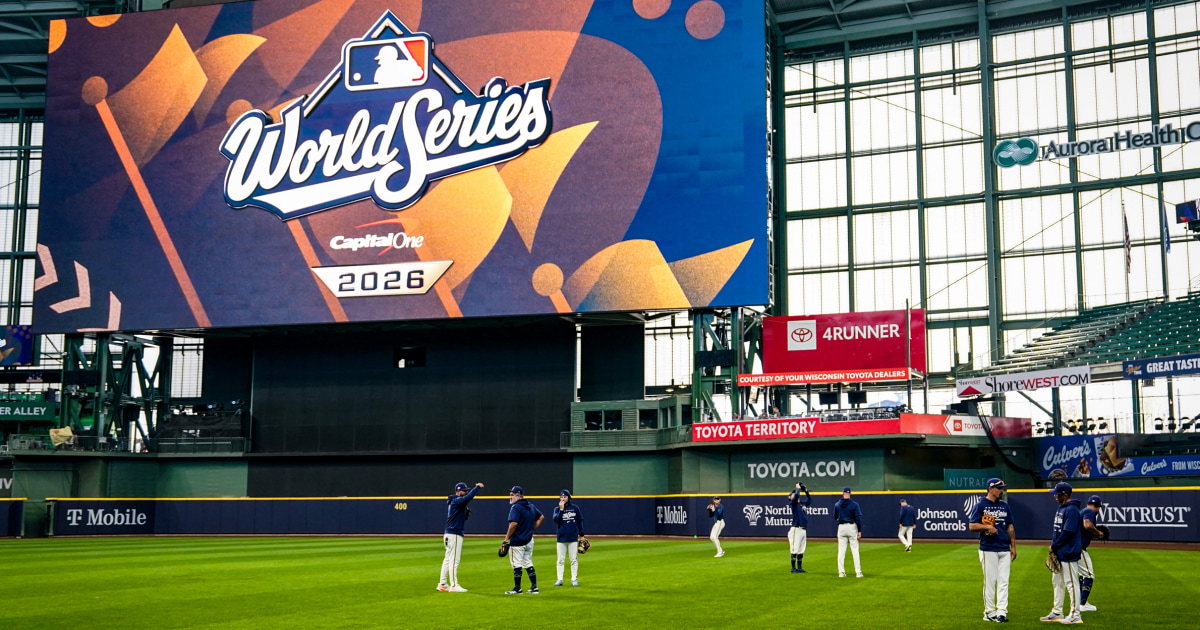
Baseball has always had a soft spot for the underdog, but this October hands the sport something sharper than sentiment. The Milwaukee Brewers and Tampa Bay Rays are not just small-market survivors; they are two of the lowest-spending clubs in the game, colliding on the season’s brightest stage while the financial fault lines of the sport widen underfoot. In a year when the conversation around payroll disparity has grown louder and the specter of a labor fight has hovered over every grander conversation, this is not merely a World Series. It is a rebuttal.
The parade of high-dollar assumptions did not make it this far. The clubs that spent like aristocrats are home, and the teams that built with patience, discipline, and a little opportunism are left to decide the championship. That should matter to anyone who cares about the sport’s future, not just its present. The Brewers and Rays are proof that the game’s architecture is not completely locked into the logic of the checkbook. It is bent by it, certainly. But not wholly ruled.
Two frugal paths to the same October door
Milwaukee and Tampa Bay do not arrive by the same route, but they share a philosophy that has become its own kind of baseball modernism. Keep the roster nimble. Value every run. Let the margins do the work. In an era when front offices speak fluently in optimization and efficiency, these are clubs that have turned restraint into identity.
The Brewers have long lived in the uncomfortable middle of the sport’s economic hierarchy, too well run to collapse, too constrained to simply buy their way out of trouble. The Rays, as ever, have made thrift into a competitive language, their entire operation a study in extracting more from less. The result is a matchup that feels almost cheeky in the face of the sport’s wealthiest powers. There is no glamour tax here. No billboard roster. Just baseball.
And yet the lack of payroll flash does not mean the lack of pressure. These organizations know what is being read into their success. Every clutch hit and late-inning managerial decision becomes an argument in the larger American game baseball plays with itself: whether a sport built on unequal resources can still claim equal opportunity.
This is what labor tension looks like in a uniform: not a meeting room, but a pennant race.
A World Series with the payroll debate stitched into every inning
The timing is nearly theatrical. With a MLB labor reckoning looming in the background, this championship functions as both celebration and warning. If a pair of low-budget clubs can reach the sport’s final stage, then the league’s most cynical voices will say the system needs no repair. That is the easy reading, and the false one.
Baseball has always been vulnerable to selective memory. A small-market triumph can be held up as proof that the economic order is fair, even when the broader sample tells a harsher story. One October does not erase the weight of the previous 162 games, and it certainly does not dissolve the structural advantages that larger markets still enjoy in talent retention, payroll depth, and the simple luxury of absorbing mistakes.
This is why the Brewers-Rays matchup lands with such force. It is not a cute anomaly. It is a reminder that smart organizations can still punch above their weight, even while the weight itself remains unevenly distributed. That distinction matters. The sport should resist the temptation to turn this into a parable of meritocracy untethered from economics. The truth is more complicated, and more interesting.
For readers who have followed the broader playoff conversation, this World Series echoes the same tension we saw in other postseason stories this year — the stubborn persistence of teams that refuse to behave like their balance sheets predict. If you liked the way depth and nerve shaped the Shai Gilgeous-Alexander streak ends in Thunder win over Nuggets story in basketball terms, you will recognize the same principle here: when talent is assembled wisely, the budget line loses some of its tyranny.
What Milwaukee and Tampa Bay ask of the sport
The Brewers and Rays ask baseball to confront an uncomfortable possibility: that the league’s competitive drama is best served when more teams can plausibly matter in October. Not just survive. Matter.
That is a deeper point than “small markets can win.” Of course they can. Kansas City proved that in 2015, the last bottom-half spender to take the crown, and that memory now sits just behind this matchup like an old newspaper clipping tucked into a jacket pocket. The lesson is not that money is irrelevant; it is that baseball’s structure is sturdy enough to allow rebellion, but fragile enough that each rebellion feels exceptional.
As a columnist, I find that both inspiring and troubling. Inspiring because the sport still rewards craft, patience, and nerve. Troubling because the very surprise of this final tells us how deeply the money hierarchy still shapes expectation. In a healthier ecosystem, two frugal clubs would not be treated as curiosities. They would be treated as normal possibilities.
That is the larger question hanging over this World Series. Not which roster is prettier on paper. Not which market has the bigger television footprint. Whether baseball intends to remain a sport in which front-office intelligence can genuinely compete with financial muscle, or whether this October is merely the last bright flare before the next round of economic hardening.
The baseball romanticism is real, but so is the warning
There is no shame in admiring the romance of this matchup. The game is better when unfamiliar uniforms reach the final stage and force the public to recalibrate its assumptions. The Brewers and Rays have earned their place through seasons of adjustment, patience, and the sort of tactical seriousness that never photographs as well as a superstar payroll.
Still, romance can become camouflage. The sport’s power brokers should not mistake this matchup for absolution. A World Series between two lean operators is not evidence that the system is perfectly healthy; it is evidence that the system remains alive enough for resistance. That is a very different thing.
My own view is that this October will be remembered less for who won than for what it exposed. Baseball remains one of the few American games in which a well-structured organization can still humiliate the obvious favorite. I cherish that. I also think the league uses it, too often, as a convenient excuse to avoid harder reforms. Small-market success is a blessing to the sport’s texture. It should not become a shield against accountability.
The most useful outcome here may be discomfort. Let the owners feel it. Let the union feel it. Let the league office feel it. There is still time, before the next labor cloud breaks, to ask whether baseball wants a system that merely permits surprise or one that genuinely cultivates it.
This Fall Classic has already answered one question. The rest is waiting in the dirt.
The final out will settle the trophy. The argument will keep rolling.
More from Straight From The Bench
Comments
Join the conversation — sign in to leave a comment.
Sign in to commentRelated Stories
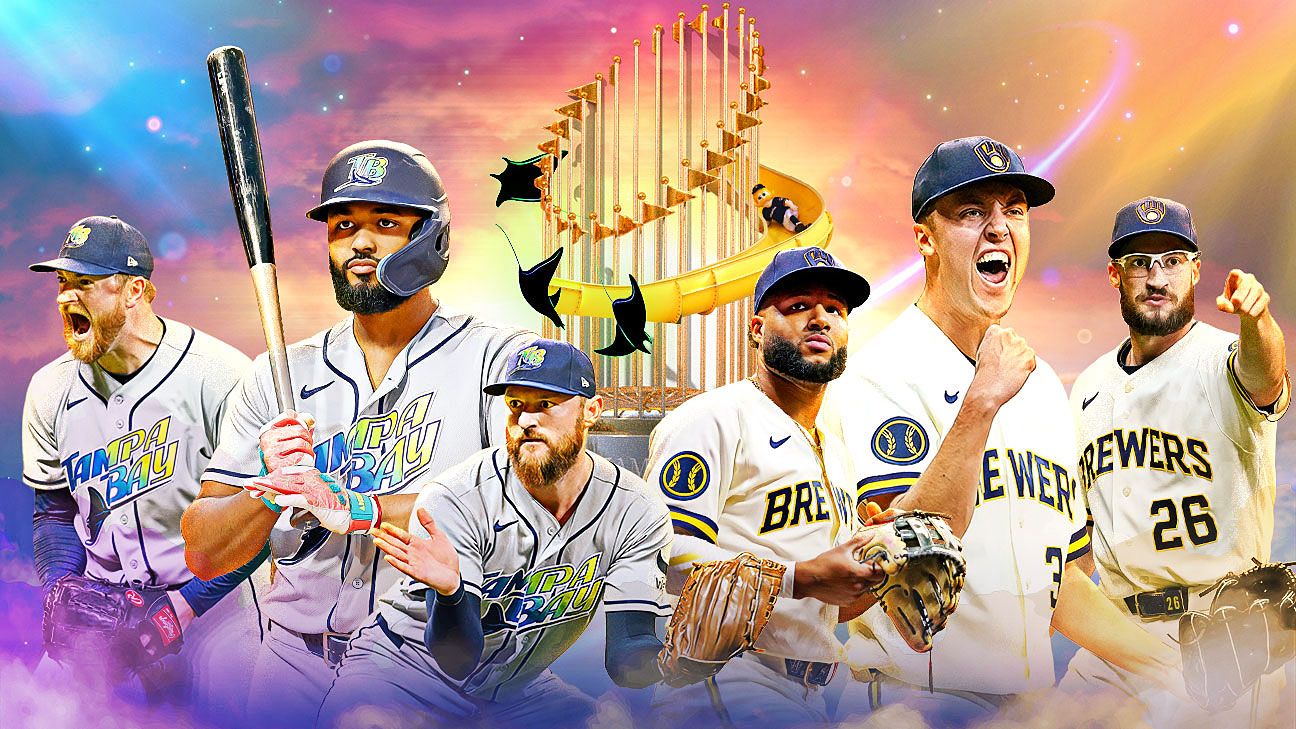
Rays vs Brewers World Series preview: edge, odds and predictions
Tampa Bay and Milwaukee have spent years building by subtraction, patience and nerve. Now they meet with a title that would alter the temperature of both cities forever.
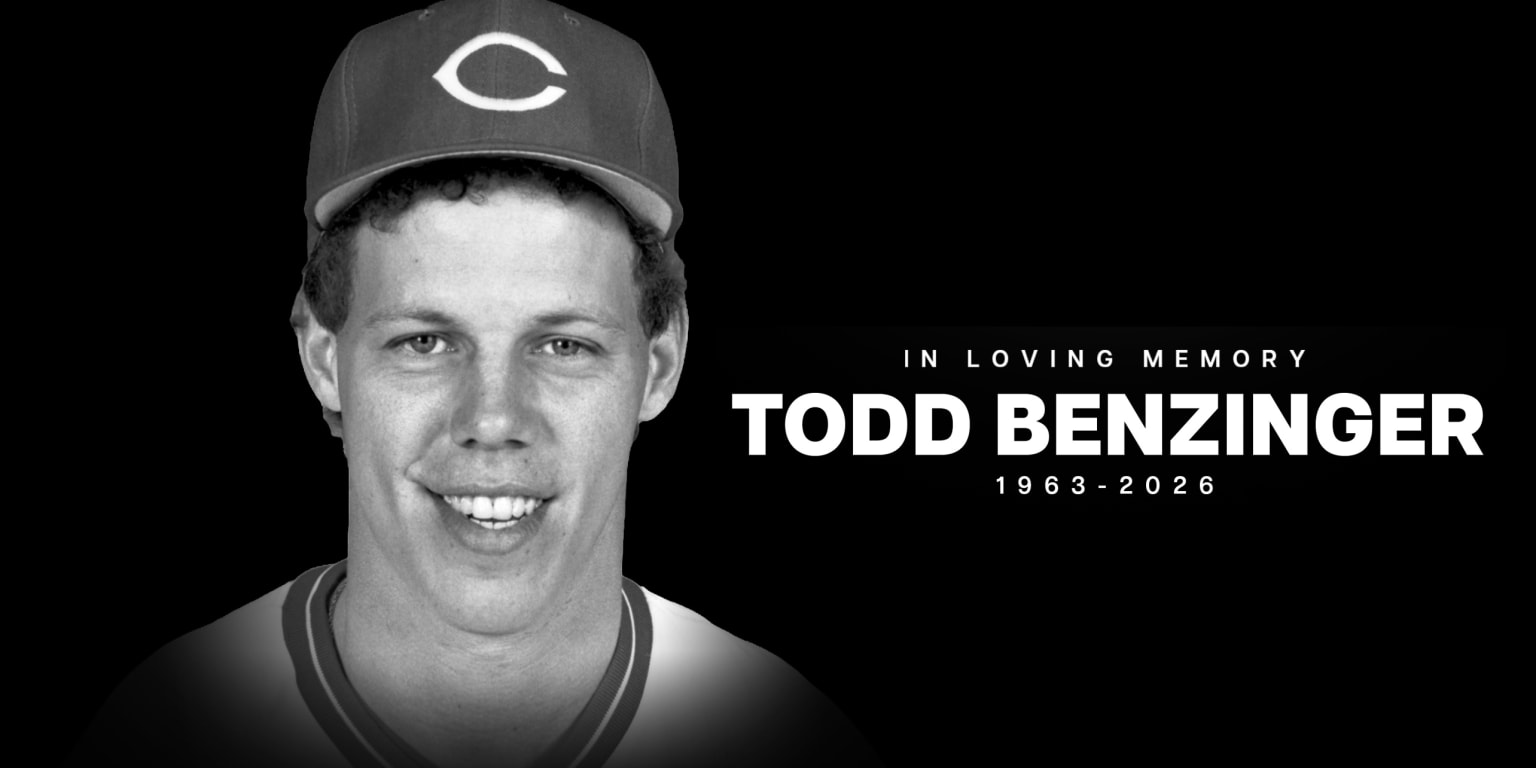
Todd Benzinger Death: Reds World Series hero dies at 63
Todd Benzinger, the hometown Reds outfielder who caught the final out of the 1990 World Series, is gone at 63. Cincinnati is mourning a man whose smallest-seeming play became immortal.

Rangers Sebastian Walcott Outfield Drills Signal Big Position Shift
Sebastian Walcott is getting outfield work in the Arizona Fall League, and that tells you the Rangers are at least open-minded about his future. The kid’s bat still drives the bus, but the glove is no