Buccaneers Coaching Change: Todd Bowles Is Running Out of Time
A 6-2 start has turned into a free fall, and the seat is getting hot in Tampa.
 Zane Miller5 min read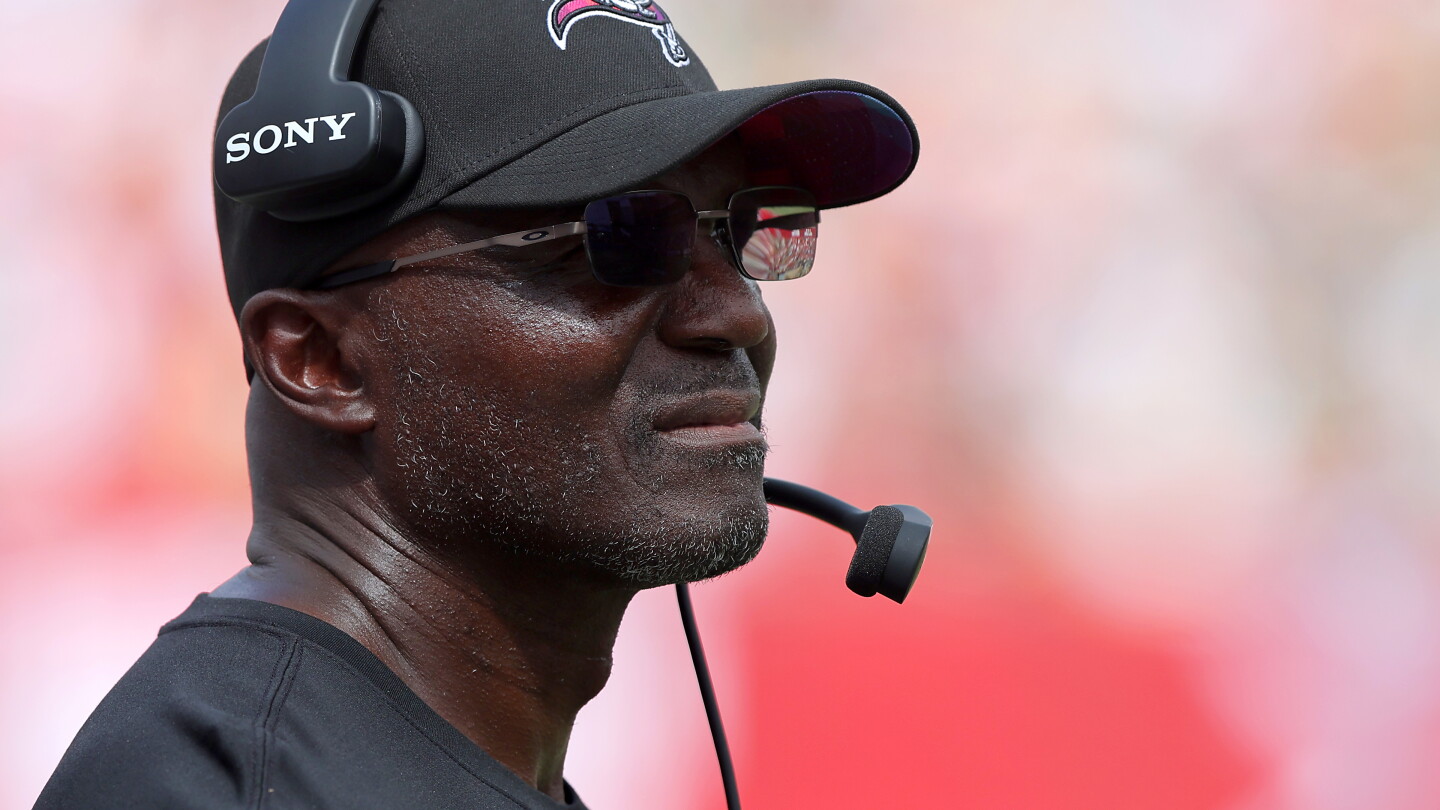
The Buccaneers did the hard part first. They banked wins early, hit 6-2, and looked like a team with a real grip on the NFC South. Now they’re 2-11 since then, and that kind of collapse doesn’t get tucked away behind “just bad luck” or “close losses.” It becomes a verdict.
Sunday’s 17-14 loss to the Packers pushed Tampa Bay to 0-4 and dragged the conversation straight to Todd Bowles. Not because one four-game skid decides a coach’s future. Because the full body of work is screaming louder every week. This is no longer a slump. It’s a slide with no visible floor.
A strong start bought time. The crash may burn it up.
That 6-2 opening mattered. It gave Bowles and this staff breathing room, and in this league, breathing room is currency. Teams will tolerate ugly if the standings still look healthy. They’ll even pretend a few things are fixable if the playoff picture is friendly.
But that cushion is gone.
A 2-11 stretch after a hot start changes the lens completely. It means whatever was working early is either gone, exposed, or unsustainable. It also means the front office has to weigh a very uncomfortable question: was the fast start a sign of real structure, or just a run of games that masked deeper issues?
That’s the business of coaching in the NFL. The league doesn’t just judge you by your best month. It judges what happens when the league adjusts.
The offense is not bailing anybody out
The last thing a coach in Bowles’ spot wants is an offense that can’t consistently carry stress from week to week. When the scoring dries up, every decision gets magnified. Every punt feels conservative. Every fourth-quarter drive feels like a referendum.
And in Tampa right now, the margin is thin enough that one possession can define the whole afternoon. A 17-14 game against Green Bay tells you the defense did enough to keep the door cracked. It also tells you the whole operation still couldn’t find a way through it.
That’s how coaches lose leverage. Not in blowouts. In games like this.
If you’ve been tracking the Bucs’ broader issues, this fits the same theme that’s been hanging over the roster all year: the talent is good enough to compete, but the week-to-week rhythm isn’t stable enough to trust. That’s why the pressure feels familiar if you’ve been following the Eagles offense’s third-down struggles or the way injuries can derail a plan before it ever settles, like the Puka Nacua injury update. Different team, same league lesson. Fragments don’t win for long.
When a 6-2 team finishes 2-11 over the next stretch, the coach stops being part of the solution and starts being the debate.
Bowles’ problem is bigger than one loss
This isn’t just about the Packers result. It’s about what ownership and the front office believe this team is supposed to be. A 6-2 start usually buys a coach some grace, but a collapse like this can erase it faster than any one ugly box score.
Bowles has always lived in the NFL’s hardest coaching lane: defensive-minded, detail-driven, and constantly asked to prove he can steer a full team rather than just coordinate one side of the ball. When the team is winning, that profile looks steady. When the losses stack, it can look like a ceiling.
And executives notice that. They don’t need public drama to feel it. They watch how a roster responds, whether the offense has a pulse late, whether the team still believes the voice in the room matters. Once that confidence slips, you’re coaching on borrowed time.
I’ve seen this movie before. A team starts fast, everyone wants to credit culture, and then the second-half correction hits like a hammer. The teams that survive usually have one thing: a quarterback-coach combo that can reset the emotional temperature. The teams that spiral don’t. They start playing like each snap is a little heavier than the last.
That’s where Tampa feels right now. Heavy.
What the front office has to decide next
The real question isn’t whether the Bucs can still make noise in the standings. The question is whether the organization believes this version of the staff can still shape the future.
If you’re Tampa Bay, you’re looking at a season that went from promising to precarious in a hurry. That kind of swing forces hard internal math. Do you keep the current setup and hope the closing stretch shows enough life to justify continuity? Or do you start thinking about reset buttons, staff changes, and whether a fresh voice is needed before this thing sours any further?
That’s where Bowles is living now: not in a total firestorm, but in the zone where every loss gets louder and every win feels like a delay, not a rescue.
The Bucs still have enough talent to make this conversation uncomfortable. That’s the cruel part. If the roster were bad, this would be simpler. But it’s not. The problem is that good enough has turned into stuck.
And in the NFL, stuck is often the first step toward change.
Tampa Bay gets the next test with no more early-season credit left to spend. The Bucs need urgency, structure, and a run that looks like a team with direction. Otherwise this gets resolved for them.
More from Straight From The Bench
Comments
Join the conversation — sign in to leave a comment.
Sign in to commentRelated Stories
Tyreek Hill Personal Conduct Policy Investigation: What It Means
Tyreek Hill's return to the field may be nearing, but the NFL's active personal conduct review keeps the larger question alive. Availability, in this case, is about more than health.
Dre Greenlaw Sean Payton: Broncos sideline disrespect fuels 49ers
Dre Greenlaw said Sean Payton’s sideline stunt lit a fire under him, and the 49ers linebacker played like it. In the NFL, sometimes the petty stuff is the real fuel.
Chiefs Receiver Woes: Rashee Rice Injury and Lamar Jackson Update
Kansas City’s thin margin on offense just got thinner, while Baltimore waits on Lamar Jackson and hopes the floor does not fall out beneath it.