
Carlos Alcaraz Injury Update: Withdraws from Cincinnati Open
The calendar keeps moving, but the wrist demands patience.
 Beatrice Kensington4 min read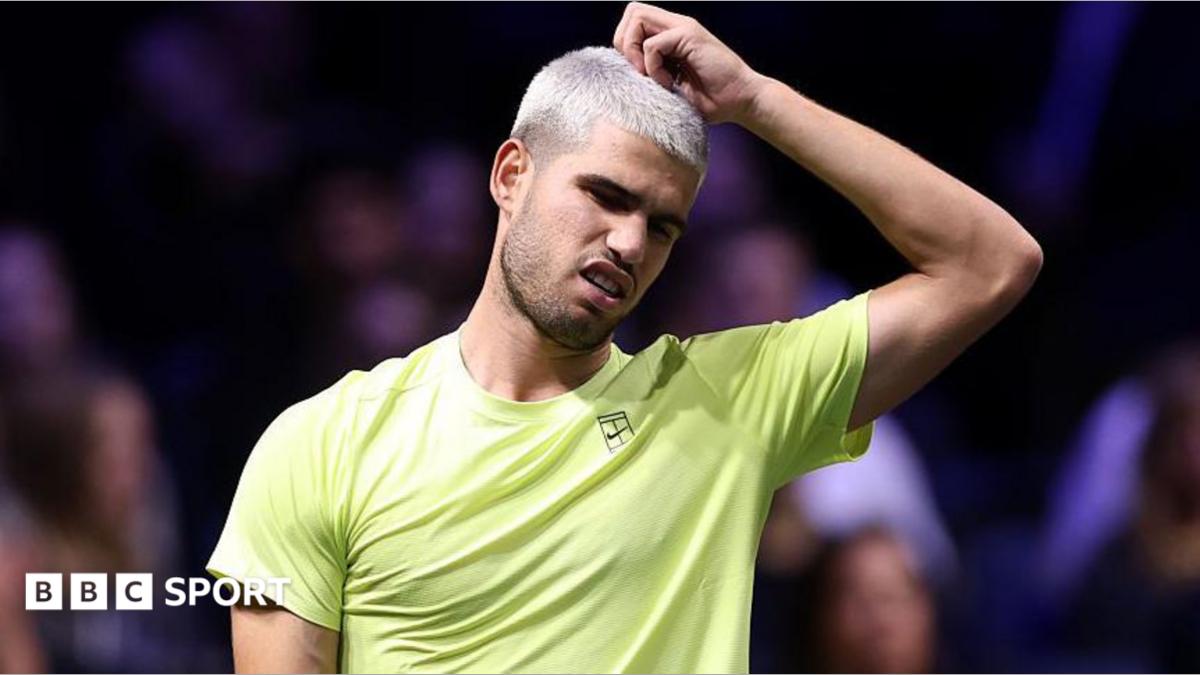
Alcaraz steps away again, and the silence says plenty
Carlos Alcaraz’s withdrawal from the Cincinnati Open is not just another line on the tennis calendar. It is a quiet, unsettling marker in the season of a player who has already taught the sport how fast joy can turn into strain. The world No. 2 has not played since he exited the Barcelona Open in April, and that absence now stretches long enough to feel like a missing note in the entire tour.
There is a particular ache in watching a player built on speed, elasticity and impulse be forced to stand still. Alcaraz does not merely compete; he arrives like weather, full of movement and surprise. When that kind of talent disappears, even briefly, the tour loses some of its tilt.
The wrist, the body and the blunt arithmetic of tennis
Tennis is merciless in the way it asks for repeated violence from elegant things. The wrist injury matters because it sits at the intersection of power and touch — the very machinery that makes Alcaraz such a difficult problem for everyone else. His forehand, his feel on the stretch, the improvisation at net; all of it depends on a body that can absorb the sport’s endless torque.
That is why withdrawals like this land harder than a single missed tournament. They force a reckoning with the modern schedule, with the grind that turns a young star into a quarterly health report. The men’s game loves to sell continuity, the chase for rankings and seeds and the invisible ladder to the ATP Tour. But the body, as ever, refuses the marketing.
For Cincinnati, the absence stings. For the draw, it changes the shape of the event. For rivals who would rather test themselves against the sport’s brightest force, it is an opening that arrives with an asterisk. A tournament wants stars healthy and available. It wants the theater, not the vacancy.
Alcaraz missing Cincinnati is not merely bad luck. It is a warning flare for a tour that still asks too much of its youngest crown jewels.
What this means for the rest of the hard-court summer
The timing matters because the hard-court stretch is supposed to be the bridge between the middle of the season and the final major of the year. These are the weeks when rhythm hardens into momentum, when a player either finds a groove or starts chasing one. Alcaraz’s absence interrupts that arc.
And interruption has a cost. Not just in ranking points, though those matter. Not just in seed placement. More than that, it affects the confidence of the player himself, who must keep wondering not only whether the wrist will hold, but whether the next competitive match will feel like a return or a test.
This is the part of elite sport that fans often flatten into drama. They see the withdrawal and assume caution, or fragility, or bad fortune. The truth is less neat. An injury can be a temporary inconvenience or the first page of a longer story. With Alcaraz, the stakes are larger because he is not merely a top seed; he is a generational figure whose presence shapes the texture of the draw and the imagination of the crowd.
A tour built on stars cannot pretend bodies are optional
I have watched enough of this sport to know the pattern, and it is a weary one. Tennis waits until the player breaks, then speaks solemnly about rest. It celebrates the burst of youth, then acts surprised when the body objects to being treated like a renewable resource. Alcaraz is still young enough to feel like he belongs to the future, which is precisely why this feels so instructive. The future, inconveniently, still comes with tendons and joints.
There is also a cultural cost here. Alcaraz has become one of those rare athletes whose appeal crosses borders without translation. He draws in the casual viewer, the highlight shopper, the fan who wants a little miracle with their scoreboard. When he is absent, the sport is poorer in a way that television ratings cannot fully measure. A great player does not only win matches. He widens the room.
That is why these withdrawals matter beyond the ranking table. They remind us that tennis remains a punishing compromise between artistry and attrition. The game asks for wonder, then taxes it.
What to watch next
The next question is simple, though the answer may not be. How quickly can Alcaraz return without turning recovery into relapse? The tour will continue to move whether he is ready or not. Cincinnati will fill its brackets. The hard courts will keep gleaming under late-summer sun. And the rest of the field will go on trying to build their own claims to attention.
But this season, more than most, will keep circling back to the same truth: when Carlos Alcaraz is healthy, tennis feels alive in a different register.
The sport will keep its schedule. It always does. The real issue is whether Alcaraz can get back to a body that lets his game speak in full sentences again.
More from Straight From The Bench
Comments
Join the conversation — sign in to leave a comment.
Sign in to commentRelated Stories
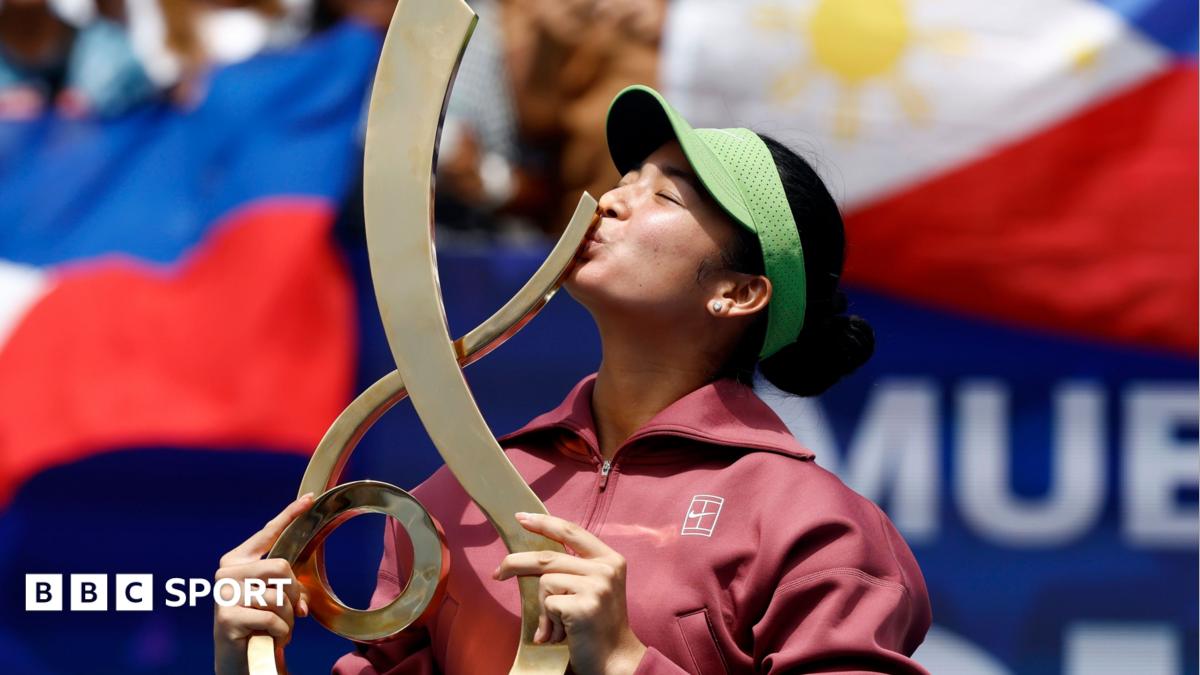
Alexandra Eala First Title: Filipino History in Washington
Alexandra Eala’s breakthrough in Washington was more than a title run. It was a hard-earned, rain-spattered announcement that Filipino tennis has arrived on a bigger stage.

Red Sox Adley Rutschman Catching Update: New Team, New Test
Adley Rutschman is already learning the hard part of joining a new club: trust. The bat can wait. The signals, the rhythm, the little stuff can’t.

Tarik Skubal Dodgers Debut: Boos, Banners and a Hard Loss
Tarik Skubal’s Dodgers debut came with jeers, a banner overhead and a reminder that baseball’s newest power can still bruise its own stars. In Chicago, the score was only part of the story.