
Casey Schmitt Injury Update: Giants Lose Trade Chip to Torn Meniscus
A knee tear changes the conversation in San Francisco, and not in the gentle way.
 Beatrice Kensington6 min read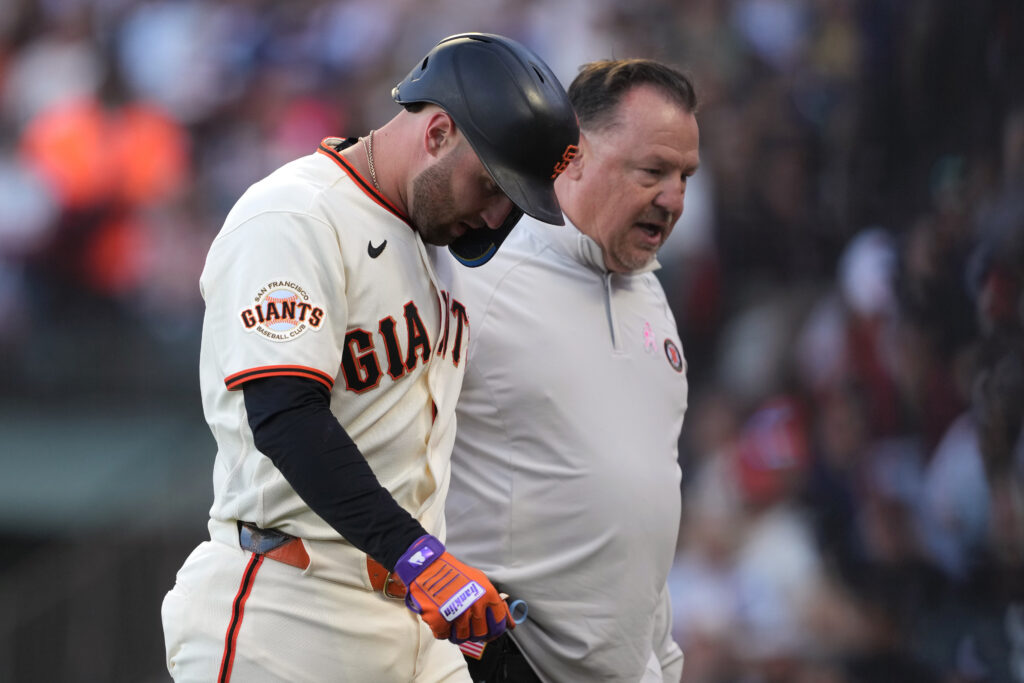
A knee injury that lands harder than the transaction wire
The San Francisco Giants have placed Casey Schmitt on the injured list with a torn meniscus in his left knee, and the first effect is simple enough: one more useful piece disappears from a roster that has spent the summer trying to convince itself it could be more than the sum of its parts. The second effect is the one that matters more. Schmitt was not merely a warm body at the edges of the lineup; he was the sort of multipurpose infielder/outfielder who makes a club feel sturdier than it really is. Now he is unavailable, and the Giants are left staring at the loss in a way that is both medical and strategic.
A torn meniscus is not a paper cut. It is the sort of injury that can shrink a player’s trade value before the league has even finished digesting the roster move. A club shopping for depth wants availability first, promise second. Schmitt, for now, can offer neither. That alone changes the conversation.
The deadline does not forgive bad timing, and a knee injury can turn a useful name into a waiting room.
Why this matters for the Giants’ deadline posture
The timing is ruthless. As the trade deadline gathers speed, every contending or semi-contending club starts sorting players into categories: keep, move, or maybe move if the market gets silly. Schmitt had fit somewhere on that last shelf. Not a star, not a headline, but a controllable, versatile, still-developing player whose name could tempt a club looking for infield insurance. That kind of player has real currency in late July.
Now the Giants have to treat him as a rehab case first and a roster asset second. That probably removes him from serious trade chatter, not because rivals stop liking the profile, but because front offices do not love paying for uncertainty when the injury train has already left the station. The MLB trade market has a way of punishing the wounded. A man who might have fetched interest last week can become a footnote this week.
The Giants, meanwhile, are left with a practical problem. They selected infielder Osleivis Basabe to take Schmitt’s place, a move that tells you exactly how the organization is thinking: patch the hole now, sort out the bigger questions later. That is roster management in its plainest form, but it also speaks to how quickly depth can become necessity in a season that never stops grinding.
Osleivis Basabe gets the seat, but the job is bigger than one game
Basabe’s promotion is not a referendum on the franchise, and it is not some glamorous audition with a spotlight trained on it from the first pitch. It is a chance to absorb innings, survive the routine, and maybe surprise somebody in the process. That is often how these fill-in opportunities work in baseball. A player arrives with little ceremony and is measured against the most unforgiving standard in sports: can you handle the next ground ball, the next throw, the next inning without making the club feel the absence more sharply?
For the Giants, the issue goes beyond one replacement. Schmitt’s injury exposes the fragility of a team built around adaptability. Clubs love versatile players because they smooth over the inevitable mess of a 162-game season. But versatility is a fragile currency when the bodies start breaking down. It is easy to admire flexibility when it feels like a strategic luxury. It feels different when it becomes emergency plumbing.
There is also the darker arithmetic of deadline season. A player who can handle multiple spots on the diamond, even in limited stretches, has value because he can stand in for four different needs. Remove that player, and suddenly the roster looks narrower, the bench thinner, the margin for error smaller. The Giants do not just lose Schmitt’s glove; they lose a layer of optionality.
Trade value, roster math, and the cold reality of July
This is the part of the baseball calendar that can feel almost cruel in its efficiency. Teams talk about character, fit, and upside all year long. Then July arrives and every conversation becomes a ledger. A player’s health is a line item. His contract status is a line item. The number of positions he can cover is a line item. Schmitt’s injury doesn’t just hurt the Giants on the field; it changes how others evaluate him in the market.
That matters because the deadline is often where organizations tell the truth about themselves. If a club thinks it can win now, it buys. If it thinks the season has slipped, it sells. If it thinks the season is ambiguous, it does both badly. San Francisco has lived in that middle ground often enough that the air there feels familiar. And a move like this, where a potentially movable player is taken off the board by injury, narrows the club’s options in a way the front office cannot spin away.
I’ve always believed the most revealing deadline moves are the ones teams are forced not to make. A good roster is not only the one that adds talent; it is the one that preserves its flexibility long enough to choose its moment. The Giants have just lost some of that choice.
What this says about the Giants’ bigger problem
The broader issue here is not Schmitt alone. It is the way contending plans in baseball are built on a foundation of small stabilizers and constant improvisation. One injury and the whole machine feels less composed. One absence and the club has to ask whether it has enough internal reinforcements to survive the next fortnight without turning to the market in a panic.
That is where San Francisco finds itself now. The organization may not say so publicly, but injuries like this often harden front offices. They make buyers more cautious and sellers more candid. They also expose the thin seam between ambition and fragility. A team can be just competitive enough to want help and just wounded enough to need it badly. That is an uneasy place to live.
For Schmitt, the immediate task is obvious: heal the knee, return with the same range of motion, and hope the injury does not linger in the way some meniscus tears do. For the Giants, the task is less graceful. They have to keep functioning without a player who could have smoothed a few rough edges, and they have to do it while the deadline clock keeps ticking.
The roster will keep moving. The market will keep talking. But this one is over for now.
The Giants just lost a useful hand, and in July, that can feel like losing a little weatherproofing. Watch the next roster move closely. It may tell you more about their deadline plan than any rumor ever could.
More from Straight From The Bench
Comments
Join the conversation — sign in to leave a comment.
Sign in to commentRelated Stories
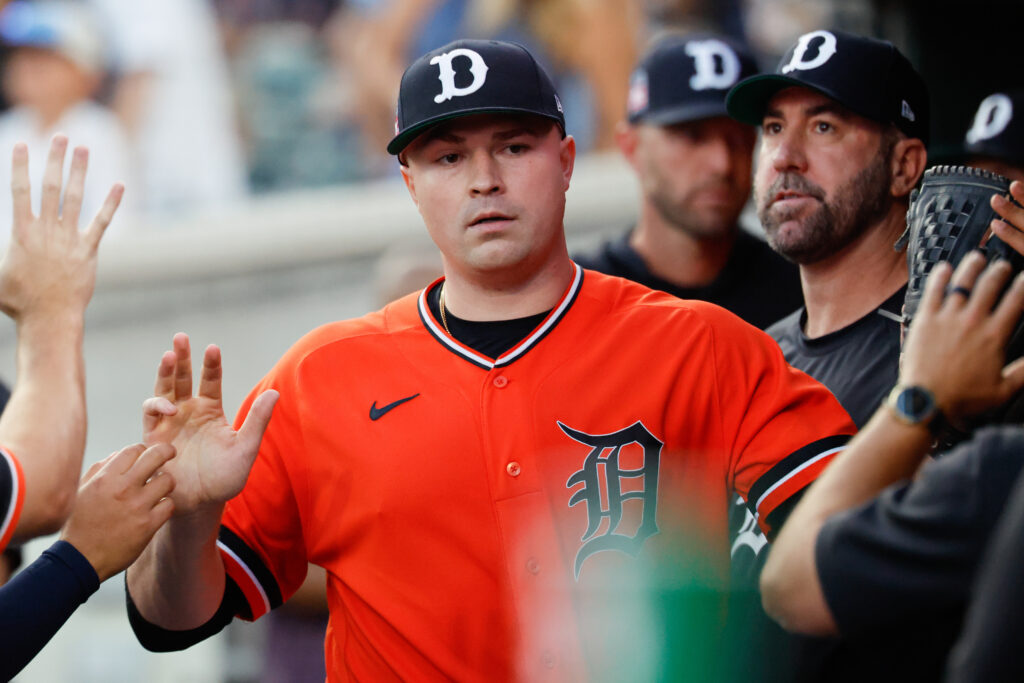
MLB Trade Deadline: Top 50 Candidates Before Monday
The deadline clock is loud now. With August 3 looming, the top 50 trade candidates expose the clubs still dreaming and the ones already counting prospects.
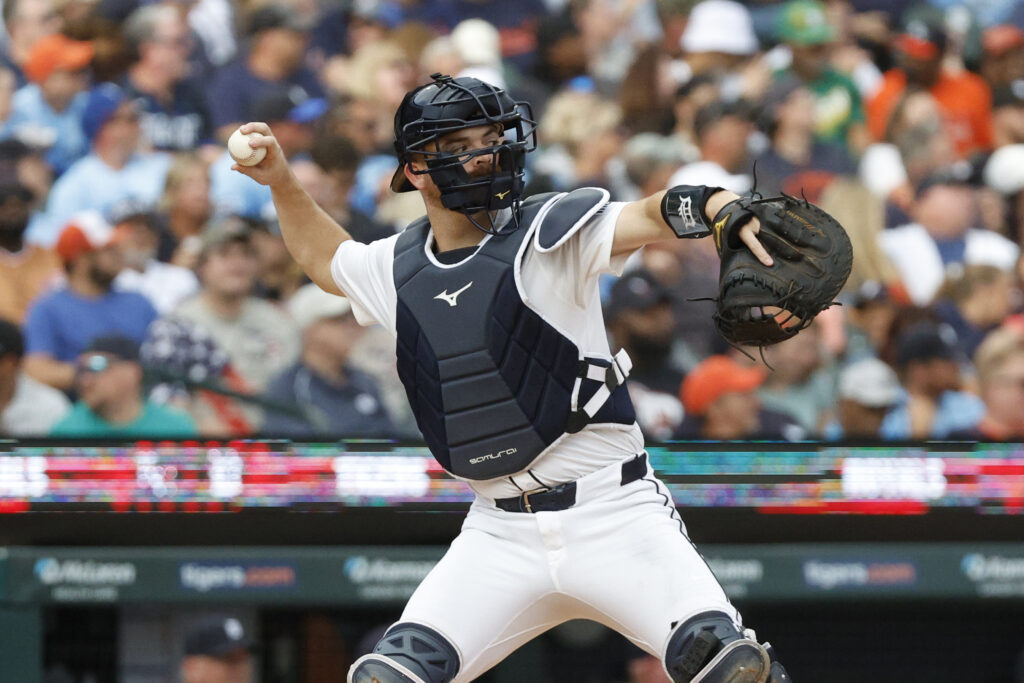
Tigers Designate Jake Rogers For Assignment: Roster shakeup hits
Jake Rogers is out of a Detroit roster spot, and the Tigers are betting on Javier Báez’s return to shift the mix. That says plenty about where this club thinks it is right now.
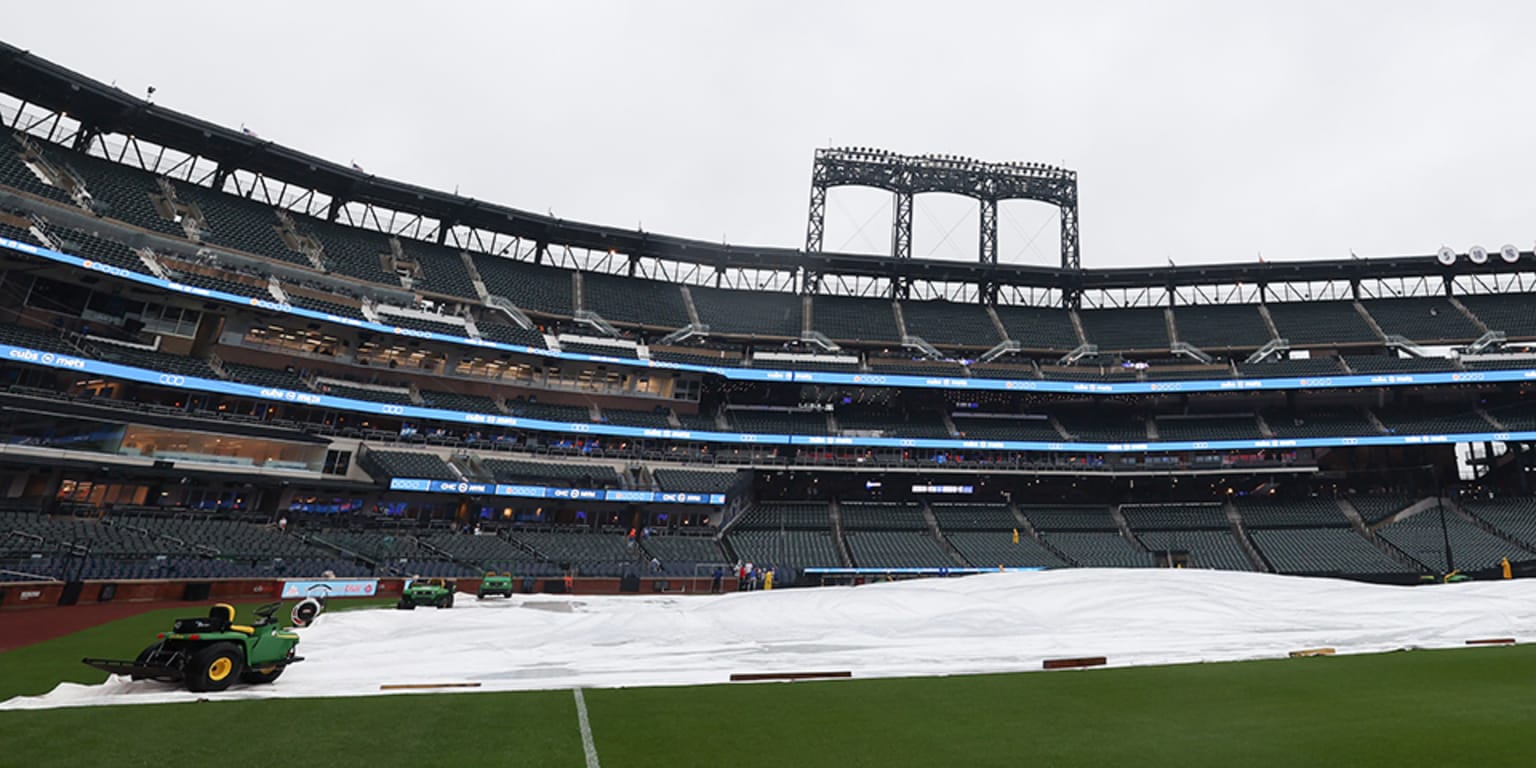
Mets vs Braves Rain Delay: Split Doubleheader Set for Wednesday
Tuesday’s Mets-Braves matchup was washed out by heavy rain in the forecast, pushing the rivalry into a split doubleheader Wednesday. That changes everything about how both clubs manage arms, lineups,