
MLB Trade Deadline: Top 50 Candidates Before Monday
The market is finally stirring, and the next week will tell us who’s buying certainty and who’s selling the future.
 Beatrice Kensington6 min read
The baseball calendar has reached that peculiar, electric hour when every clubhouse conversation seems to carry a little more static. August 3 is close enough to smell, and with it comes the annual sorting of hope, regret and cold arithmetic that defines the MLB trade deadline. A weekend pitcher-for-hitter swap between Washington and Boston cracked the surface, but the water has not yet broken. Not really. The market is still mostly a table set for a feast that has not begun.
That is why the latest sweep of the top 50 trade candidates lands with such force. Lists like these are more than inventory. They are a map of baseball’s emotional economy. They tell us which teams are still chasing October as if it were a living thing, which clubs have accepted the calendar’s verdict, and which players are about to become symbols in conversations about leverage, payroll, and patience. This is the season when a veteran with a good three weeks can become a lifeline and a farm system can become a bargaining chip.
The deadline always reveals the league’s pecking order
The trade deadline is not simply about talent. It is about timing, and timing is often crueler than talent. A club sitting two games out can convince itself it is one swing away from legitimacy. Another, buried under injuries and bad sequencing, may know in its bones that the next month is about survival, not salvation. That divide is the real drama behind every deadline board.
This year’s candidate pool, as ever, is likely to be weighted toward pitchers, because Major League Baseball never quite escapes the scarcity of arms in late July. Front offices know what everyone else knows: October is won by starting pitching depth, a steady bullpen, and the ability to survive the one ugly inning that ruins a series. That scarcity inflates the value of anyone who can miss bats, eat innings or throw a clean eighth with runners on.
And yet the market is never purely about the mound. Contenders shopping for lineup balance will ask for a left-handed bat, a corner outfielder, a utility defender who can make the manager’s life easier, or a veteran who does not shrink when the lights sharpen. The difference between “useful” and “paid for dearly” is often one blister, one slump, one team with more urgency than common sense.
The real question is which clubs are ready to spend their future on a seat at the present table.
Why the names on the board matter more than the names on the back
Fans tend to focus on stars, because stars are clean theater. But deadline history is built just as often by the players who are not household names: the mid-rotation starter with a sturdy medical chart, the reliever with one filthy pitch, the bat that fits the short porch in one ballpark and the road dimensions in another. These are the pieces that can tilt a division race without ever selling a jersey.
That is why a top-50 candidate list matters. It broadens the discussion beyond the obvious trophy case. It reminds us that trade value is not a moral judgment on a player’s worth, but a reflection of the market’s hunger. A club in July does not trade the best player available; it trades the best player it can part with while still pretending to care about the standings.
The best deadline deals often come from discomfort. A team that has misread itself in April suddenly finds the truth in July. Another that expected to sell discovers it has to buy simply to avoid embarrassing its fan base and its ownership suite. The Mets and Braves, for instance, have spent enough recent seasons orbiting the same race that even a rain delay can feel like a prelude to a roster decision; our own Mets vs Braves rain delay coverage is a reminder that baseball’s pauses often carry their own pressure.
The deadline does not reward the smartest front office so much as the one that best understands its own lie.
The sellers are often telling the truth before anyone else does
There is a dignity to selling, though no one in the building ever says it that way. A club that accepts its season is over can, if it has discipline, buy two things the standings cannot: clarity and a future. But the market punishes hesitation. If a team drifts too long, the return on its movable pieces can shrink by the day. A strong week in early July can save a front office from selling at a discount. A cold stretch can force a harsh, necessary teardown.
This is where the deadline becomes a referendum on organizational honesty. The bad teams know they are bad. The dangerous teams are the ones that think they are merely unlucky. A front office that refuses to hear the season telling the truth can spend two months trading from a fantasy. The better ones strip the illusion early.
The human cost is easy to miss because baseball speaks in spreadsheets and transaction logs. But there is a player here, and sometimes a family, standing in the half-lit hallway between one clubhouse and another, waiting to see whether a kid’s school year changes zip codes or whether a veteran’s last meaningful run comes in an unfamiliar uniform. That part is never clean. It never is.
My read: this deadline should favor the disciplined, not the dramatic
I have long believed July trades are judged too quickly by the headline and too slowly by the wound they leave behind. The loudest deal is rarely the best one. Give me the club that improves its run prevention, or adds one versatile bat without emptying the farm, and I will take it over the team that buys a name because the television crawl demands movement. Baseball has a way of humiliating the impatient.
The most successful deadline operators tend to behave as if they are assembling a bridge rather than buying fireworks. They know the bridge has to hold in September. They know there is no prize for feeling busy. In that sense, the top 50 candidates list is less a catalog than a test. Which front offices can distinguish between motion and progress? Which contenders understand that one overpay can damage the next three years? And which sellers can finally admit the season has already spoken?
That, to me, is the central tension of this deadline. Not who gets moved first. Who gets moved wisely.
The next week will tell us who really sees August coming
The trade board will tighten, the rumors will sharpen, and the quiet teams will start sounding louder than the loud ones. A few names will move. A few more will stay put. And some front office, somewhere, will convince itself it has outsmarted the room.
By Monday, we will know who was serious. By the end of the week, we will know who was merely restless.
More from Straight From The Bench
Comments
Join the conversation — sign in to leave a comment.
Sign in to commentRelated Stories
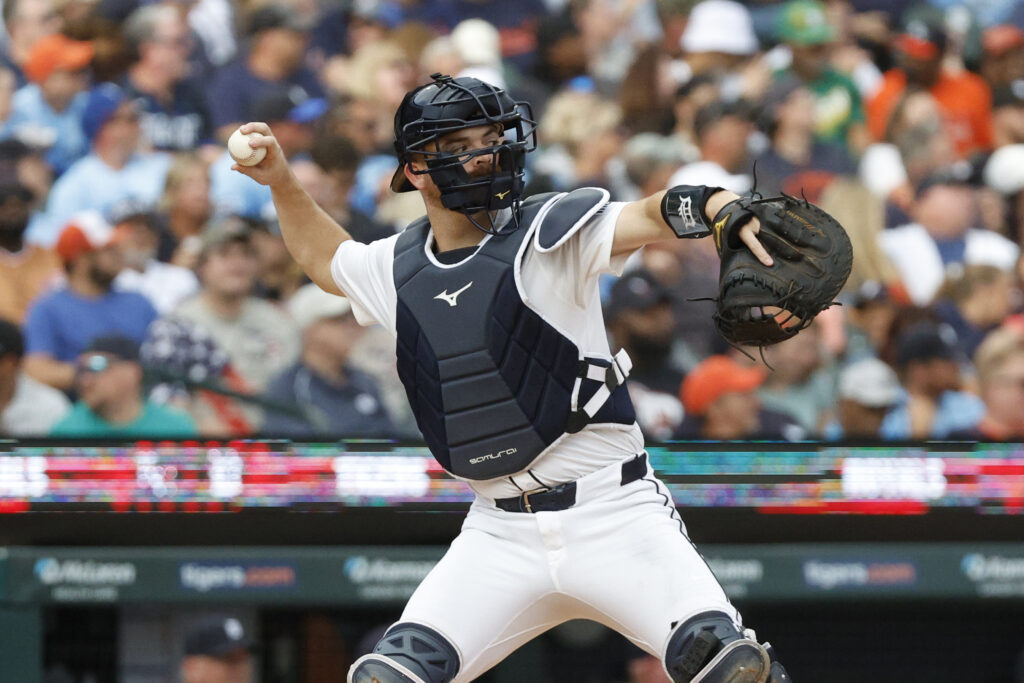
Tigers Designate Jake Rogers For Assignment: Roster shakeup hits
Jake Rogers is out of a Detroit roster spot, and the Tigers are betting on Javier Báez’s return to shift the mix. That says plenty about where this club thinks it is right now.
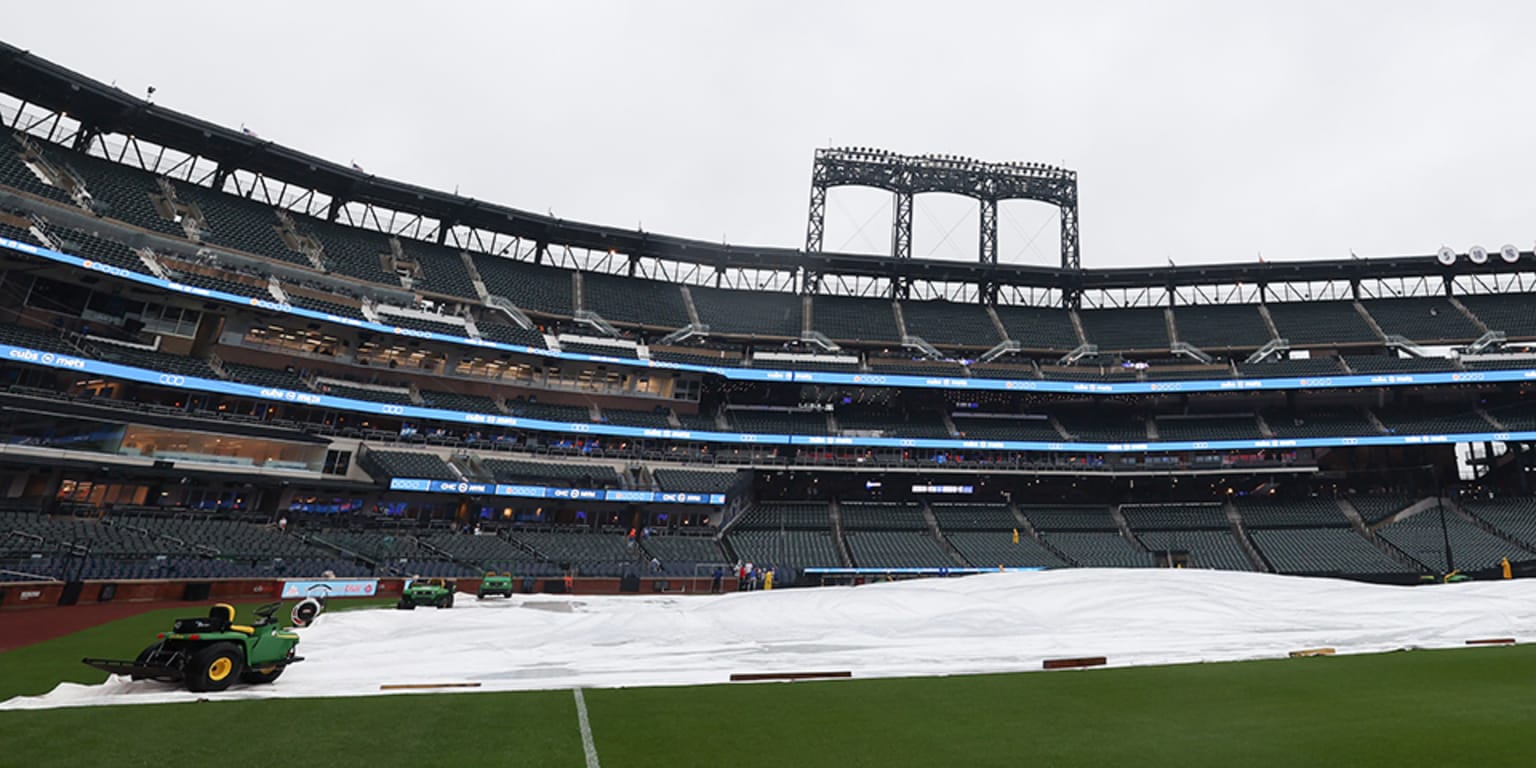
Mets vs Braves Rain Delay: Split Doubleheader Set for Wednesday
Tuesday’s Mets-Braves matchup was washed out by heavy rain in the forecast, pushing the rivalry into a split doubleheader Wednesday. That changes everything about how both clubs manage arms, lineups,

MLB Trade Deadline 2026: One Deal Every Team Would Make
The deadline needs a shove, and plenty of clubs still need one honest move more than a pile of rumors. Here’s the kind of trade that could actually matter.