
Cavaliers Trade for Peyton Watson: What the Four-Team Deal Means
A useful wing arrives in Cleveland, and the margins of the East just shifted.
 Beatrice Kensington6 min read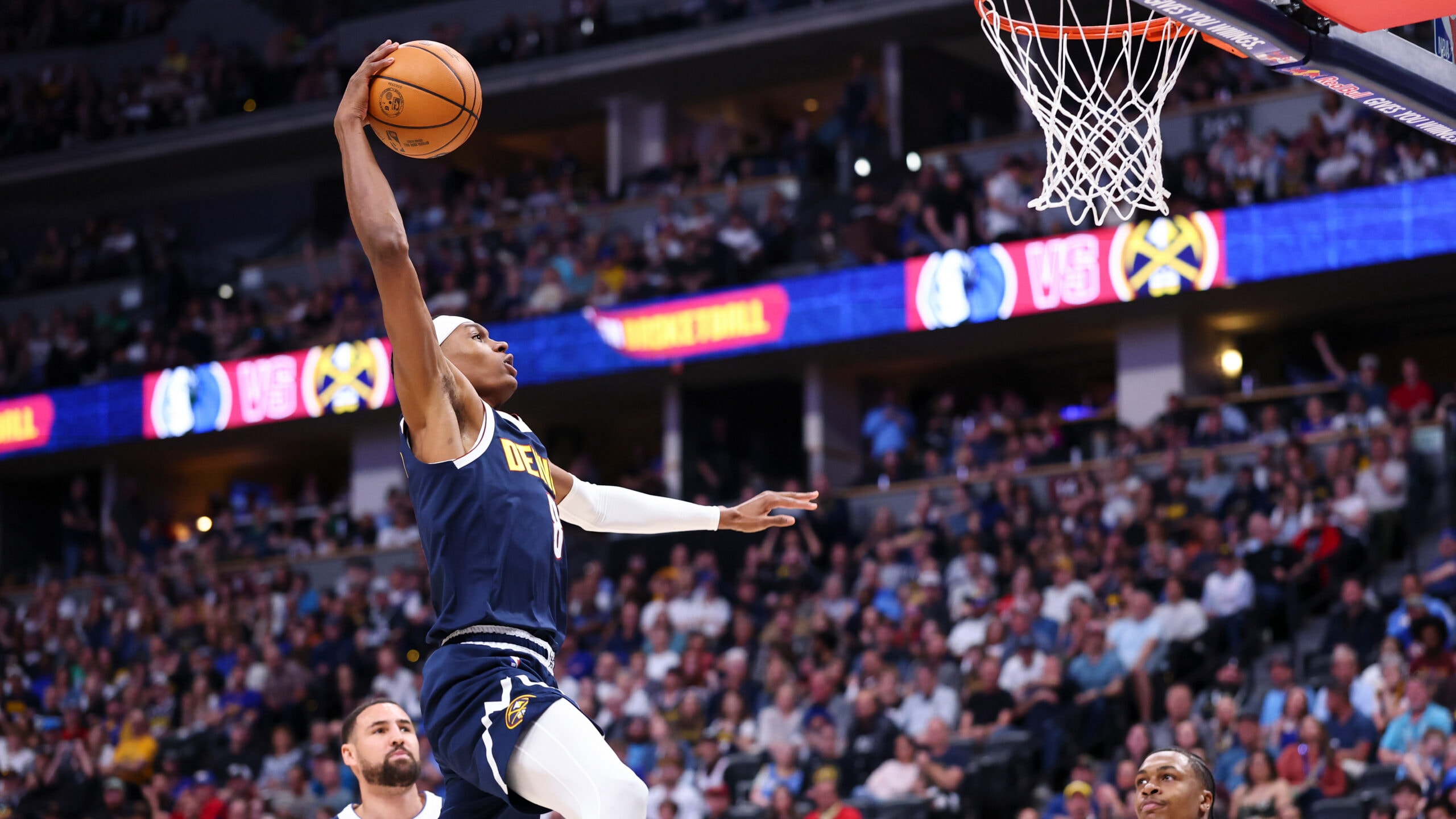
Cleveland chose the future in a league that never stops billing by the month
The Cavaliers did not make the sort of move that turns a summer into theater. They made the sort of move that changes the edges of a roster, the kind that matters most in April and May, when the bright headlines have faded and the same five or six teams are still standing under the harder lights. Cleveland’s reported acquisition of Peyton Watson in a four-team deal is exactly that sort of transaction: measured, pragmatic, and quietly ambitious.
Watson is not a finished product, and that is the point. He is young, long, and still ascending, with the kind of frame front offices like to imagine in playoff series because it can bother stars in ways box scores do not always capture. Last season, he showed enough scoring touch and rebounding presence to make himself more than a project, and enough defensive range to suggest that his value may grow faster than his name recognition. In Cleveland, that is not a luxury. It is currency.
The full structure of the deal sends Max Strus to the Clippers and gives Denver future draft picks, which tells you everything about the moving parts here. One team sought shooting and spacing. Another sought future assets. Cleveland sought a player whose age and athletic profile fit the long timeline of a contender trying to survive in a conference where every inch is contested.
This is the kind of trade that doesn’t scream. It whispers, and if the front office is right, it echoes in May.
Why Watson makes sense next to Cleveland’s core
The Cavaliers have spent the better part of the last few seasons trying to solve a familiar modern problem: how to stay big enough, versatile enough, and nasty enough to matter when the floor shrinks. Cleveland Cavaliers basketball has been defined by stars and structure, by the tension between half-court control and the need to survive against lineups that live on movement and switchability. Watson fits that conversation better than most casual observers might realize.
He offers Cleveland a wing who can cover ground, contest without constant help, and survive the grind of playoff matchups that punish slower, narrower rotations. If you are building around perimeter shot creation and interior responsibility, you need connective tissue. Watson can be that. Not the headline. The hinge.
That matters because playoff series are often won by the last playable wing on the bench. The last defender who can stay in front without begging for a double-team. The last athlete who can turn a broken possession into a live one. Cleveland has been looking for those pieces with the seriousness of a club that knows its window is open, but not forever.
Max Strus out, the balance shifts, and the room changes shape
Trading Max Strus is not a small aesthetic decision. Strus brought the sort of floor-stretching confidence that can change how a defense loads up against a backcourt. He also carried real value as a veteran shooter on a team that has often needed more oxygen around its creators. Moving him to the Clippers means Cleveland is choosing a different kind of flexibility, one rooted less in gravity from the arc and more in switchable length.
There is risk in that. You do not casually give up established shooting in a league that still rewards clean spacing as a survival mechanism. But front offices are paid to weigh not just what a player is, but what a player prevents. A wing who can defend multiple spots and grow into more offensive responsibility is a tempting tradeoff if you believe your primary engines can create enough advantages elsewhere.
The Los Angeles Clippers get the immediate offensive ecosystem help they may have wanted. The Denver Nuggets stockpile future picks, which is the currency of patience and optionality. Everyone leaves with something. That is usually the sign of a deal negotiated with actual leverage rather than desperation.
The real bet: development, not applause
Watson’s breakout season — 14.6 points and 4.9 rebounds in 54 games — changes the tone around this move because it suggests Cleveland is not buying hope in its most fragile form. It is buying evidence, still incomplete but no longer theoretical. That distinction matters. Teams can talk themselves into tools all summer long. Much harder to find a player whose on-court growth already offers proof of concept.
The Cavaliers now have to do the work that so many teams treat as a slogan and not a discipline. They need to expand Watson without overloading him, to sharpen his reads, to turn athletic promise into reliable playoff minutes. That is coaching, yes. But it is also organizational patience, which is a rarer commodity than cap space.
And if you want to understand why this move feels smarter than flashy, look at the league itself. The NBA’s middle class is being thinned out by the cost of star hunting, and teams that can add useful contributors before they become expensive problems are often the ones still around when others are spending the offseason explaining themselves.
I’ve always had a soft spot for these trades, the ones that arrive without trumpet blasts. Too many franchises confuse noise with force. Cleveland, at least in this moment, seems to understand that a roster is not a collection of names but a set of interlocking answers. Watson may not be the loudest answer in the room. He may be the right one.
What to watch next in Cleveland
The next question is fit, then role, then responsibility. How quickly does Watson earn trust in closing lineups? Does his defensive versatility let Cleveland simplify some of its coverages? Does the loss of Strus show up in the spacing math, or does the trade balance itself through better minutes and fresher legs?
There is also the human side, which gets flattened too easily in trade chatter. Young players are not just assets that appreciate. They are people stepping into systems that will either invite growth or make every mistake feel like a referendum. Watson now lands in a place where the expectations are real and the runway is long enough to matter.
That is where this deal lives, somewhere between ambition and restraint. Cleveland did not buy a banner today. It bought a better chance to chase one.
The season will tell us whether that patience was wisdom or just a prettier form of risk. For now, the Cavaliers have added a piece with teeth. We will see how sharp he becomes.
More from Straight From The Bench
Comments
Join the conversation — sign in to leave a comment.
Sign in to commentRelated Stories
Peyton Watson Trade: Cavaliers Land Wing in 3-Team Deal
The Cavaliers are betting on Peyton Watson’s tools in a multi-team move with Denver and the Clippers. It’s a roster play with real playoff logic.

Lakers Rumor Roundup: Jeanie Buss sale drama and power play
The Lakers' ownership saga has shifted from private tension to public theater. Jeanie Buss wants control, Shams Charania has entered the crossfire, and the stakes reach far beyond family pride.

Lakers Ownership Drama: Buss Children Squabble Over Team Stake
The Buss heirs are reportedly wrangling over the last big piece of the family fortune: the Lakers stake. Around here, that’s not just estate drama — that’s basketball power, pride, and a whole lot of