
Clay Holmes Trade Rumors: Mets, Rays, Phillies Enter the Chase
A rehab start has become a marketplace, and the deadline always has a way of getting louder.
 Beatrice Kensington6 min read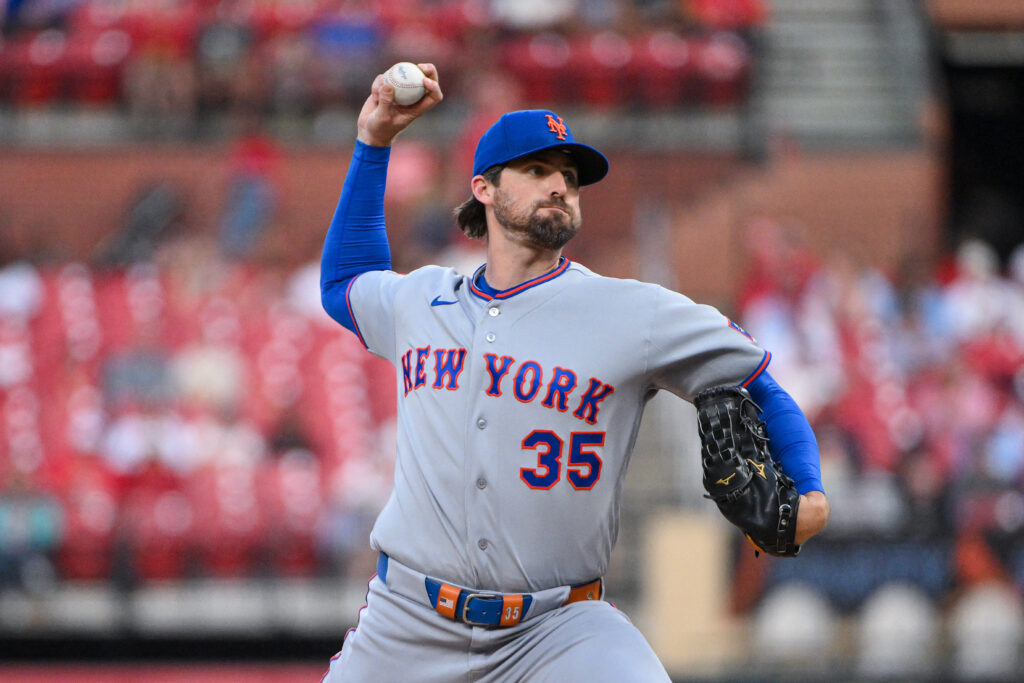
The first thing to understand about a rehab start is that it is never just a rehab start once July begins to breathe down a ballpark. Clay Holmes took the mound with his usual hard-edged presence, and suddenly the work of one returning pitcher became a small convention for the sport’s most nervous executives. Scouts from at least seven teams were there, eyes fixed on every sinker, every finish, every tell. In this business, presence itself can be a signal.
The Mets, who have spent enough recent seasons living on the fault line between promise and repair, now find themselves at the center of a wider conversation. Holmes is not simply coming back; he is becoming a market test. The New York Mets have plenty to sort through, and the league has noticed. So have the Tampa Bay Rays, the Philadelphia Phillies, and the Texas Rangers, clubs with different appetites and the same fear: that one bullpen arm, one rotation upgrade, one discreet deadline move could tilt a season that otherwise feels exquisitely balanced.
Holmes as a measuring stick, not just a name on a board
Holmes’ latest outing matters because it offers something front offices crave and almost never receive cleanly: a live read on health under pressure. A pitcher can throw bullpen sessions in peace, can look tidy in controlled settings, can satisfy the paperwork of a recovery timetable. Then comes game speed, and the whole story either gains muscle or begins to wobble. That is what scouts came to see.
The list of clubs in attendance tells you the real shape of the trade season. Teams do not dispatch evaluators to a rehab start for curiosity’s sake. They come because the margin at the deadline is often made not by the famous names everyone expects to move, but by the useful ones who fit in a roster like a shim under a stubborn wheel. Holmes, with his power arm and closing experience, gives contenders a kind of innings insurance that can be hard to buy in late July.
There is a lesson here for the Mets, too. They are no longer merely reacting to the market; they are helping define it. That is a useful place to stand, if they use it wisely.
The Mets’ catchers tell a more complicated story
The mention of the Mets’ catchers is not window dressing. It is the sort of detail that reveals how deadlines in baseball are stitched together from multiple smaller dilemmas. Clubs ask not only who can help, but who can handle a staff, who can frame a borderline fastball, who can absorb a slide step gone wrong in the 11th inning. Catching is a quiet trade market until it is suddenly not.
For Mets catcher Francisco Alvarez), the conversation is especially delicate. He remains one of the more intriguing young catchers in the sport, but that also means he sits at the crossroads of expectation and reality, a place where every dip in performance gets scrutinized like a cracked pane of glass. If the Mets are forced to explore the position more broadly, it would not necessarily signal a verdict on Alvarez; it would signal the hard arithmetic of a club trying to stabilize itself while remaining competitive.
That tension is familiar in baseball and often misunderstood by fans who want the market to behave like a simple auction. It rarely does. Teams trade for fit, for timing, for runway, for insurance against the bruises of August.
The deadline does not reward the loudest team; it rewards the one that sees the market before it becomes obvious.
Peralta is the larger swing, and everyone knows it
If Holmes is the practical piece, Freddy Peralta is the head-turner. Any chatter around Freddy Peralta carries the shimmer of a frontline arm, and those do not drift around trade season without causing weather. Pitching-starved clubs always want the same thing: certainty. They never get it, so they chase the closest version available.
That is why the names attached to this rumor constellation matter beyond the usual deadline noise. Holmes helps a bullpen. Peralta changes the shape of a rotation conversation. One is a transaction; the other can alter a postseason path. Clubs like the Phillies and Rangers are always listening when a pitcher with that kind of profile comes into focus, because the cost of standing pat can be watching October arrive without enough power to survive it.
The MLB calendar is built for these moments of pressure. Teams spend 100-plus games revealing their flaws, then spend a frantic stretch in July pretending they have not already seen the truth. The deadline is where denial gets expensive.
My read: the market is tilting toward pitching, and the Mets know it
I have covered enough deadline seasons to know that the smartest clubs do not merely ask who is available; they ask which weakness is becoming the most punishable. This one feels leaning hard toward arms. Hitters always make the highlight reels, but pitchers decide whether a contender’s autumn lasts two weeks or six. Holmes’ rehab start being treated like a summit meeting tells me front offices believe the supply of useful pitching will be thinner than the public expects.
For the Mets, there is a subtler edge to this. If Holmes comes back sharp, they can choose whether to keep the value at home or cash it in for pieces that address a different need. If he looks merely adequate, the market may still bid on reputation and role. Either way, New York holds a lever other clubs want to pull. That is not nothing. It is leverage, and leverage is the currency that survives the deadline.
I also suspect the catchers angle will matter more than people think by the time the month runs out. Catching rarely sets the room on fire, but the clubs that win in October are often the ones that can trust the man receiving the ball when the stadium has gone tight and silent. That kind of stability is a luxury until it becomes a necessity.
What to watch next as scouts keep circling
The next few days will tell us whether Holmes’ start was a proof of life or the opening bid in a trade market that is just beginning to clear its throat. If more scouts keep showing up, the conversation gets louder. If the Mets keep taking calls, the rumor mill will do what it always does: turn restraint into meaning and silence into suspicion.
For now, the important thing is not who tweeted what or which fan base has already built a dream trade. It is that seven or more teams deemed this worth a seat in the stands. That is how the deadline begins—not with a trumpet, but with a notebook open and a radar gun pointed home.
The market is warming. The real bidding has not even started yet.
More from Straight From The Bench
Comments
Join the conversation — sign in to leave a comment.
Sign in to commentRelated Stories
Mariners vs Dodgers: Dom Canzone powers wild 7-6 comeback
Dom Canzone flipped the script with a pair of bombs, and Seattle stole a statement win in Los Angeles. After a bad stretch, this one felt like a pulse check.

Curtis Mead Injury Update: Rays Lose Bat to Fractured Wrist
Curtis Mead’s fractured left wrist sends another ripple through a Rays roster that rarely gets to breathe easy. For Tampa Bay, the injury is less a detour than a reminder of how fragile the middle cla
Twins Trade Deadline: Minnesota shifting from seller to buyer
Minnesota is back at .500 and acting like a team that can still cash in on this AL race. That means bullpen help is now the priority, and the stars may be staying put.