
Twins Trade Deadline: Minnesota shifting from seller to buyer
The walk-off changed the mood. The bullpen market changed the plan.
 Zane Miller5 min read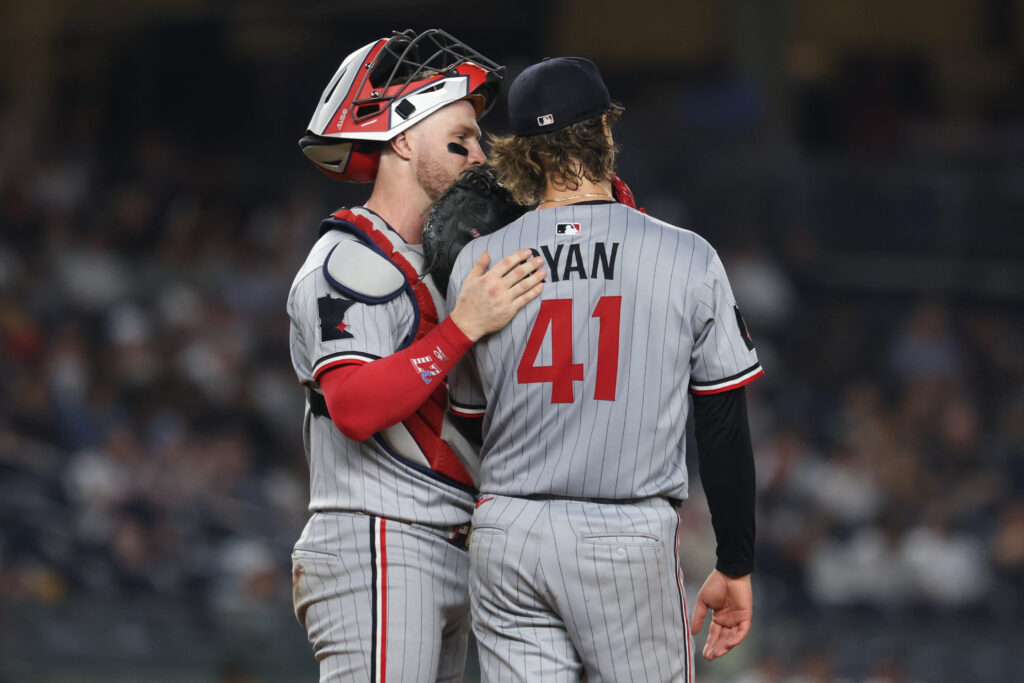
The Minnesota Twins just flipped the script in the loudest way possible. Royce Lewis ripped a two-run double with two outs in the ninth, the Kansas City Royals got sent home, and a team that looked one bad week away from drifting into deadline limbo suddenly has real leverage again.
Back to .500. Half-game out in the AL wild-card chase. Those are not the numbers of a club ready to wave the white flag.
The walk-off that changed the room
This is how deadlines get weird. One swing changes the mood, and suddenly front offices start talking less about moving pieces and more about patching holes. That’s exactly where the Twins are now.
The biggest takeaway is simple: Minnesota no longer looks like a pure seller. The word coming out of this situation is buy, and the target is bullpen help. That tracks. If you’re a team hanging around the postseason line, relief depth is usually the fastest way to buy yourself innings, and innings are everything in October races.
The Twins have enough offense to stay relevant when the lineup is right. They’ve also had enough volatility to know they can’t survive every night asking the same arms to cover too much ground. A contending club does not need a wholesale makeover in late July. It needs three or four trustworthy outs in the seventh, eighth, and ninth when the margins get tight.
Why the bullpen is the lane
Minnesota’s logic here is market logic. Starting pitching is expensive, premium bats are expensive, and any club that thinks it can simply outslug its problems is usually one bad road trip away from regretting it. Relief pitching, on the other hand, is the deadline’s most tradable commodity.
That makes the Twins a live player without needing to get reckless. They can shop for leverage arms, matchup pieces, and maybe a veteran who has done this before. They do not need a headline grab. They need competence with a pulse.
And there’s another layer to this: buying bullpen help sends a signal to the clubhouse that the season still has shape. That matters. Players know when the front office is papering over a .500 record and they know when it’s trying to squeeze value out of a winnable division race. The difference is subtle in the spreadsheet, not subtle in the room.
This is the kind of deadline pivot that keeps a front office employed in October.
What it means for the ace and the catcher
The tip here is bigger than one bullpen target. If Minnesota is leaning into the race, the obvious read is that its ace and star catcher are probably coming off the market.
That matters because those are the kinds of names that can reset a deadline. An ace changes a rotation. A star catcher changes how a pitching staff functions and how opposing clubs game-plan. If the Twins are saying those players are staying, they are not just protecting the current season. They’re protecting the spine of the roster.
This is where contenders separate themselves from teams pretending to contend. Real buyers don’t trade the middle of their identity because the standings are crowded. They hunt around the edges, improve the margin, and keep the premium pieces unless the return is overwhelming.
And Minnesota’s standing gives them a reason to act like that. Sitting around the .500 mark can feel mediocre on paper, but in a cluttered American League race it can also be a foothold. The MLB trade market is full of clubs looking for certainty. The Twins are looking for enough certainty to keep their own season from slipping.
I’ve seen this movie before
I’ve covered enough deadline seasons to know the trap: a club gets within reach, gets cute, and starts treating one good weekend like proof of a grand turnaround. Usually that ends with the same bullpen getting overworked and the team buying too late, or buying the wrong kind of help.
This version feels different. Minnesota’s urgency is real, but it’s not panic. That’s the right temperature.
The cleanest path for a front office in this spot is usually the least glamorous one. Don’t chase the shiny name if the price means draining the system. Don’t force a blockbuster just because fans are restless. If the Twins can land two reliable relief arms, maybe one with late-inning experience, they can stabilize the exact part of the roster that can swing a one-run September game.
And yes, keeping the ace and catcher makes all the sense in the world if the goal is to chase the wild card instead of resetting for 2026. You do not hand away the foundation unless the season is already dead. This one isn’t dead. Not even close.
I’ll say it plain: this is the correct kind of greed. Not reckless. Not nostalgic. Just practical. The Twins are not buying a parade route. They’re buying enough bullpen oxygen to stay in the fight.
The market just got one more buyer
For everyone else in the bullpen market, Minnesota’s decision matters. Buyers create pressure. Pressure creates premiums. And the minute a club with October hopes shifts from maybe to yes, the asking price for relief help gets a little uglier for everybody else.
That’s the deadline ecosystem. One team’s walk-off becomes another team’s price tag.
The Twins still have work to do, but the direction is now clear. They want to stay in the race, and they want help that fits the race. The next week should tell us whether they’re shopping for a cleanup or for a real push.
Either way, the message is out. Minnesota is not done yet.
More from Straight From The Bench
Comments
Join the conversation — sign in to leave a comment.
Sign in to commentRelated Stories

Curtis Mead Injury Update: Rays Lose Bat to Fractured Wrist
Curtis Mead’s fractured left wrist sends another ripple through a Rays roster that rarely gets to breathe easy. For Tampa Bay, the injury is less a detour than a reminder of how fragile the middle cla

Casey Schmitt Injury Update: Giants Lose Trade Chip to Torn Meniscus
Casey Schmitt’s torn meniscus puts the Giants in a familiar bind: protect the present, and admit the future has been interrupted.
MLB Trade Deadline: Top 50 Candidates Before Monday
The deadline clock is loud now. With August 3 looming, the top 50 trade candidates expose the clubs still dreaming and the ones already counting prospects.