
Curtis Mead Injury Update: Rays Lose Bat to Fractured Wrist
A small injury with a large shadow over Tampa Bay’s thinning margin.
 Beatrice Kensington6 min read
Curtis Mead’s trip to the injured list with a fractured left wrist lands with a dull, ugly thud for the Tampa Bay Rays, because this is not merely the loss of a useful bat. It is the loss of one of those young, pliable roster pieces that a club like Tampa Bay spends years shaping into something sturdier, something dependable, something the rest of the sport is always trying to imitate and rarely quite catches.
Mead was never the loudest name in the room, but he was part of the machinery. And now a wrist fracture — the kind of injury that can steal both timing and confidence even after the bone has healed — interrupts the patient arithmetic of a season. The Rays have built an identity on depth, movement, and the belief that no single absence should break the system. Yet baseball has a way of testing every philosophy at the joints.
Why Curtis Mead matters more than the box score suggests
Mead has long been the sort of player evaluators circle in pencil rather than ink: young enough to project, polished enough to trust in spots, and valuable precisely because he can absorb innings and at-bats without forcing the entire roster to tilt around him. That matters in Tampa Bay, where the margins are famously thin and every role player is expected to carry a little more than his listed job title.
A fractured wrist complicates that compact arrangement. Hitting is timing, yes, but it is also violent repetition, and wrist injuries can linger in ugly, sneaky ways. A player may return before he feels like himself. That is the quiet cruelty of it. The Rays do not just lose a roster spot; they lose the version of Mead who was helping them keep the bottom of the lineup from becoming dead air.
For a franchise that has often lived on the seam between innovation and attrition, this kind of injury is no sideshow. It is the cost of doing business with young talent. If you want to see the logic of Tampa Bay baseball in all its precision and brittleness, this is it.
Another test for a Rays club built on substitution
The Rays have spent years proving that they can survive the loss of recognizable names, but there is a difference between surviving and thriving. When the roster is healthy, Tampa Bay can rotate roles, chase platoon edges, and squeeze value from places other teams barely examine. When injuries start stacking up, the whole structure becomes less like a machine and more like a game of musical chairs in a storm.
That is why this news echoes beyond Mead himself. It affects lineup balance, bench flexibility, and the club’s ability to preserve matchups late in games. It also nudges other players into more exposed roles, where the lack of depth is felt immediately rather than theoretically. A good roster can hide one injury. A weary roster starts to reveal its seams.
There is also the broader American League race to consider. Tampa Bay does not get the luxury of treating the IL as a waiting room. The club has to keep pace while carrying uncertainty, and every missing contributor makes the path steeper. If you want context for how quickly roster pressure can spread, look at the way other clubs have been forced to reshape around injuries and short-term absences. The MLB trade deadline market becomes more interesting the moment a team realizes its internal answers are shrinking.
The wrist injury is the real story, not the transaction
A fractured wrist sounds almost tidy on paper, like a discrete event with a neat recovery timeline. Baseball injuries are rarely so polite. For a hitter, the wrist is not a detail. It is the hinge on which so much of contact, bat speed, and control depends. When that hinge is compromised, the player can come back technically ready and still not fully restored.
In baseball, the body never just heals; it negotiates.
That negotiation matters especially for younger hitters still trying to convert tools into reliability. Mead has been in that space — the place where promise begins to ask for proof. A setback here does not erase his future, but it does delay the conversation. The Rays will say the right things, as clubs do. They will talk about next steps, treatment, and the hope of a clean return. All fair. All necessary. None of it changes the fact that wrist injuries tend to press a hitter into the uncomfortable business of rebuilding rhythm after the calendar says he should already be ready.
If Tampa Bay is forced to adjust more aggressively, the ripple could touch not only the lineup but also the club’s approach to roster turnover. The Rays have never been sentimental about moving pieces when the fit demands it. That has often been a strength. It can also become a trap, especially if injuries keep chipping away at continuity. For a broader look at how roster decisions can reframe a season, the drama around a Giants trade chip loss is a reminder that injuries do not just remove players; they remove options.
Beatrice Kensington on what this says about modern baseball
I have always believed the most revealing injuries are not to stars, but to the players the public has not yet made up its mind about. A star’s absence becomes a headline and then a theater production. A player like Mead vanishes into a quieter chamber of consequence, where development, roster construction, and organizational patience all collide. That is where baseball is most honest.
The sport loves to talk about depth until depth is actually needed. Then the language hardens. Replacement. Flexibility. Next man up. But there is nothing casual about asking a young hitter to absorb a fractured wrist and emerge unchanged. The body remembers, even when the spreadsheet does not.
For the Rays, this is part of the old bargain: keep the machine agile enough to survive what it cannot predict. They have made a habit of turning uncertainty into leverage. Yet there is a human cost in that philosophy, one that gets hidden beneath all the earned runs and win probabilities. Mead is paying it now. So is the team.
If Tampa Bay handles this as well as it usually does, the Rays will patch the gap and move on. If not, this may be one of those injuries that looked modest on the day of the announcement and looked much larger a month later. Baseball has a talent for that kind of delayed revelation.
The next few weeks will tell us whether this is just an interruption. Or the first crack in a more fragile stretch than the Rays wanted to admit.
More from Straight From The Bench
Comments
Join the conversation — sign in to leave a comment.
Sign in to commentRelated Stories
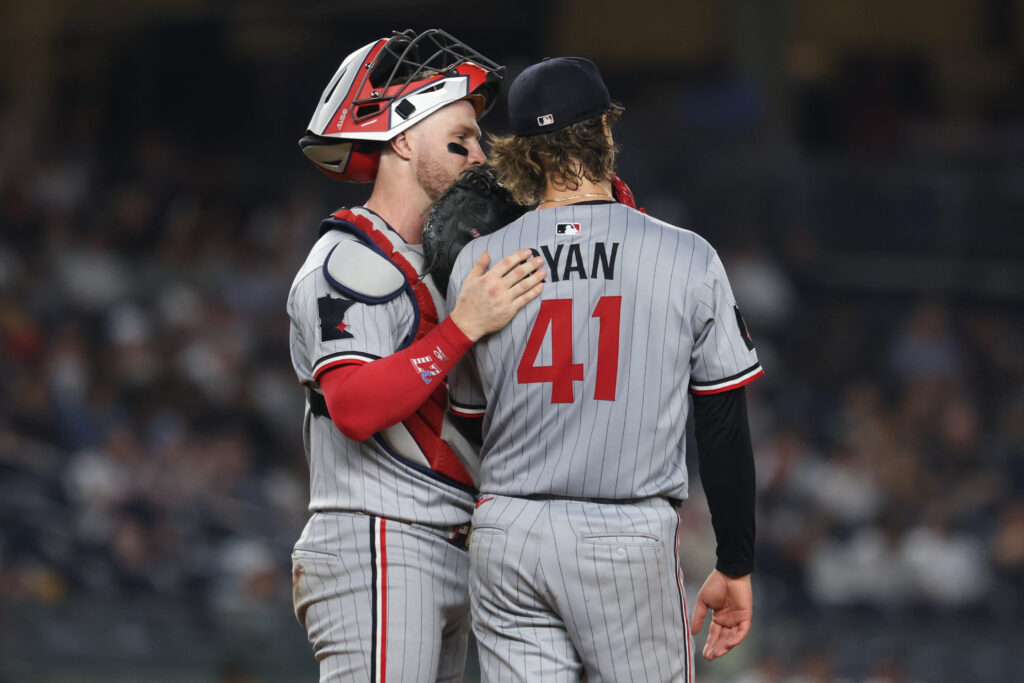
Twins Trade Deadline: Minnesota shifting from seller to buyer
Minnesota is back at .500 and acting like a team that can still cash in on this AL race. That means bullpen help is now the priority, and the stars may be staying put.
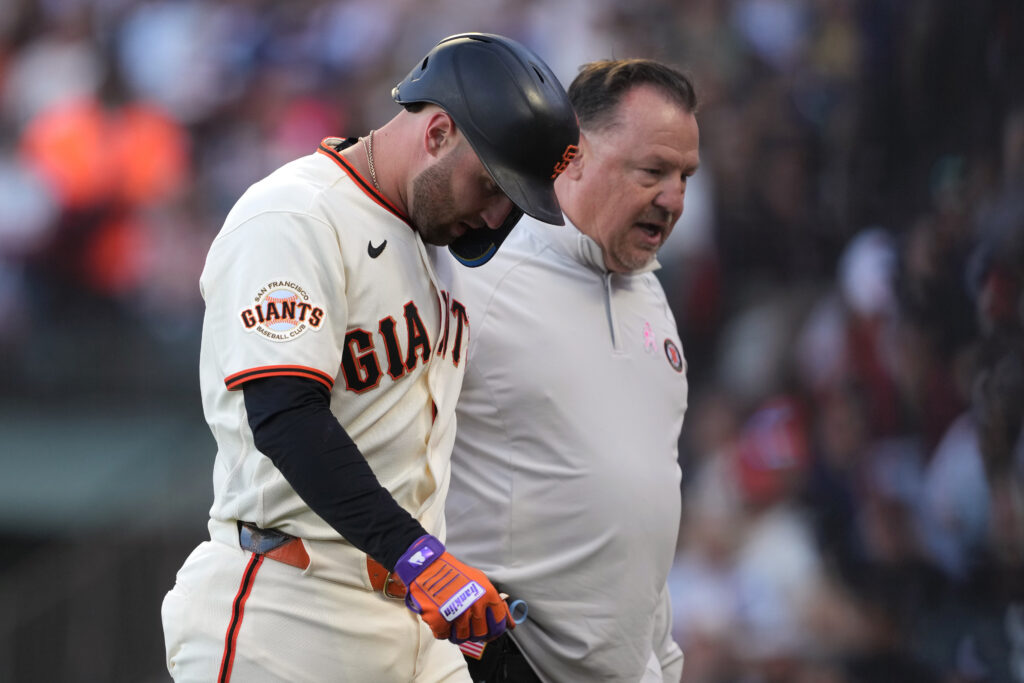
Casey Schmitt Injury Update: Giants Lose Trade Chip to Torn Meniscus
Casey Schmitt’s torn meniscus puts the Giants in a familiar bind: protect the present, and admit the future has been interrupted.
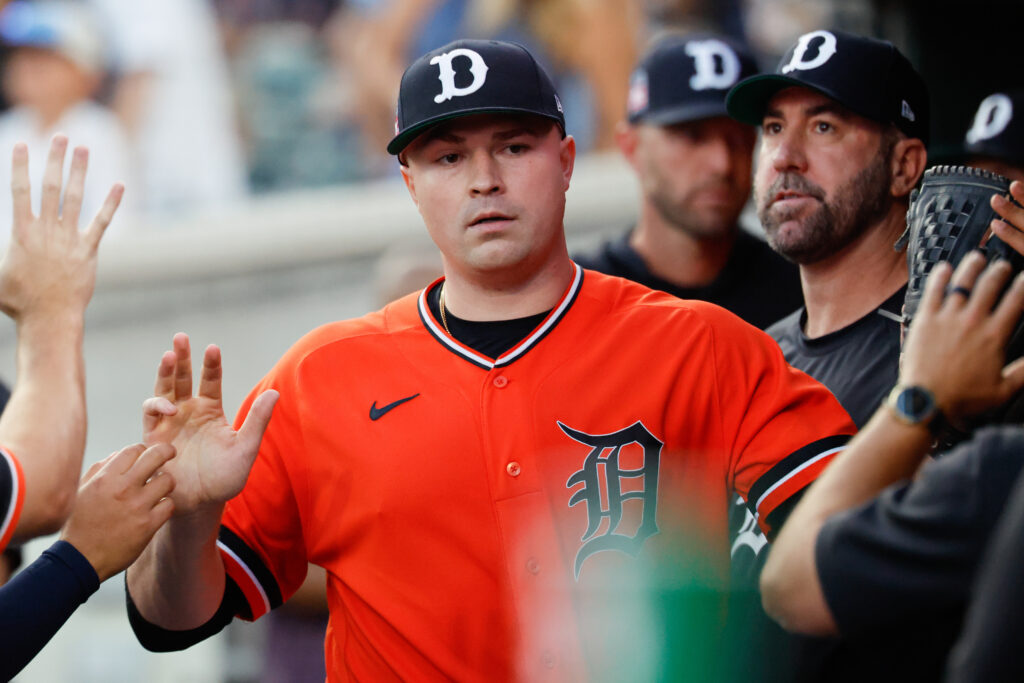
MLB Trade Deadline: Top 50 Candidates Before Monday
The deadline clock is loud now. With August 3 looming, the top 50 trade candidates expose the clubs still dreaming and the ones already counting prospects.