
Conor McGregor Knee Injury: ACL and Meniscus Details After UFC Return
A brutal reminder that the body always keeps the receipts.
 Beatrice Kensington5 min read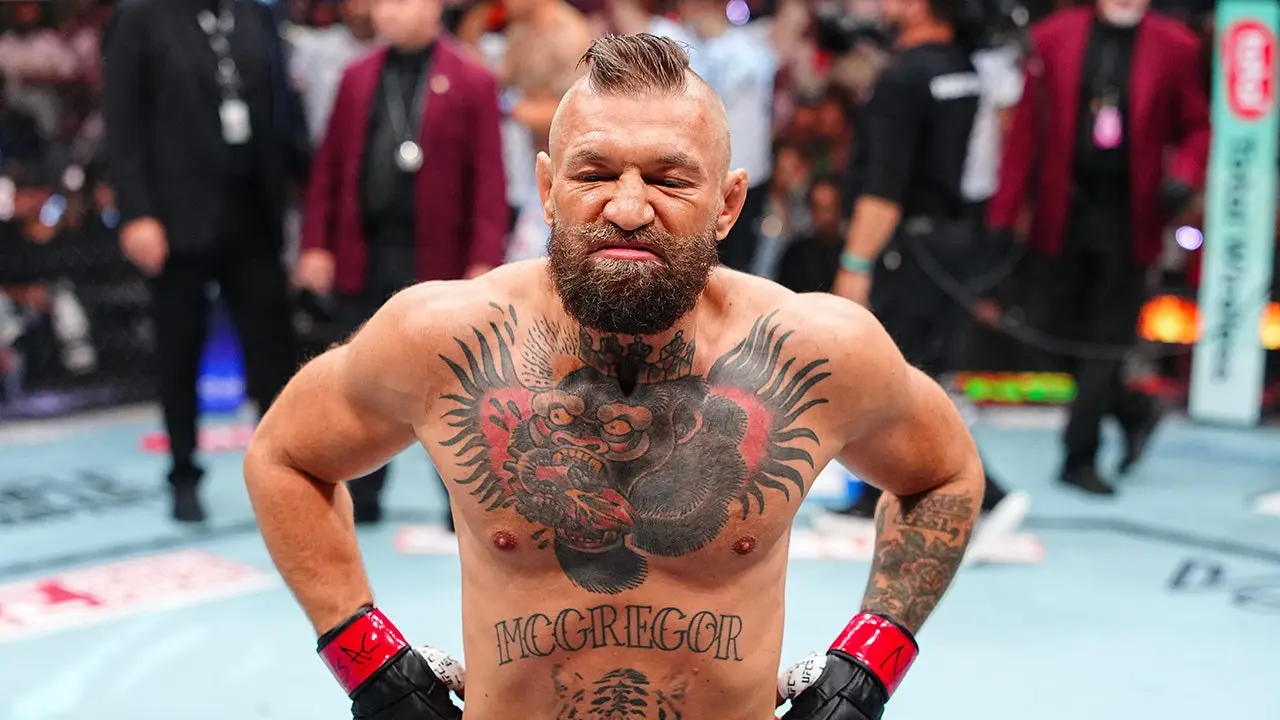
Conor McGregor did not return to the UFC with the old swagger intact, and the medical verdict on his right knee only deepens the irony. The injury, revealed after the July 11 night in Las Vegas, was not some vague ache or post-fight stiffness. It was the kind of damage that changes the conversation immediately: an ACL tear, a meniscus injury, the sort of diagnosis that sounds clinical on paper and cruel in the flesh. For a fighter who has built a career on propulsion, on the violent certainty of movement, the knee is not a detail. It is the engine.
The knee that told the truth
McGregor called the injury “quite shocking,” and the phrase lingers because it captures more than surprise. It carries the disbelief of a man who has spent years testing the limits of his own body and found, in one ugly instant, that the body still has limits of its own. The right knee, injured during the loss to Max Holloway, did not merely fail him; it interrupted the old myth that elite fighters can always will themselves through physics.
There is no romance in an ACL. No highlight package can soften the sound of ligament damage in a sport that asks athletes to explode, pivot, absorb, and repeat. A meniscus injury only makes the ledger heavier. Together, they suggest a repair job rather than a quick reset. The surgeon’s table does not care about fame, pay-per-view history, or the memory of a louder, younger McGregor who used to move like a blade through air.
What the injury says about the late-career gamble
This was always going to be the question around a McGregor comeback: not whether he could still summon the theater, but whether he could survive the cost of trying. Fighters return for many reasons — legacy, money, unfinished business, the refusal to leave the stage before the light goes out — and McGregor has lived more than most inside that storm. But every long absence from the cage narrows the margin. Reflex dulls. Timing frays. The body forgets a little. Then, on a night like this, it remembers everything at once.
The oddness of the matchup with Holloway only sharpened the stakes. These men were linked by an older history, by the memory of their first meeting and by the strange persistence of rematches in combat sports, where the past is never past and often still bleeding. I wrote recently about the weight of grand finales in global sport, including the political and emotional theater around a World Cup Final; combat sports carry a different sort of theater, but the same human truth applies. Legends arrive carrying not just their own bodies, but all the expectations and receipts attached to them.
In fighting, the body does not lie. It bills you later.
Holloway, McGregor, and the old story beneath the rematch
Max Holloway has spent years being the opposite of McGregor’s volatility: less spectacle in the preamble, more craftsmanship in the work. That contrast matters, because the Holloway-McGregor pairing has never been just about technique. It has always been about trajectory. One fighter became a monument to adaptability. The other became a monument to force of personality, then to time itself, which is a harsher opponent than any featherweight.
A short return ending in a right-knee disaster alters how this chapter will be remembered. Fans will talk about the loss, yes, and the stoppage, and the vanished rhythm. But the injury details matter because they explain the larger collapse. A fighter can lose to a better man; he can also lose to anatomy. The latter feels especially merciless because it offers no villain to blame. No bad camp. No theft. Only connective tissue giving way under the pressure of action.
For McGregor, that distinction may shape the rest of his public life as much as the result itself. A clean defeat can be reframed as a tactical miss. A severe knee injury cannot. It suggests fragility, and fragility is poison in a sport built on aura.
My read: the comeback era is now a referendum
I have covered enough combat-sports comebacks to know that they are often sold as redemption and consumed as spectacle, though the more honest word is wager. The fighter wagers on memory, on name value, on the body’s willingness to cooperate one more time. Sometimes the bet pays a dividend. More often, it collects interest.
McGregor’s case is different only in scale. He is not merely a fighter seeking one more win; he is an industry unto himself, a performer whose presence changes the temperature of an arena before the opening bell. That kind of stardom can survive a loss. It has a harder time surviving the sight of the body itself refusing the script. We have seen this before in other eras, in other sports, when the great names returned and discovered that the old instincts were still there but the chassis had become unreliable. The legend remains, but it is no longer protected by momentum.
That is why this injury hits harder than a simple post-fight update. It pushes the McGregor story from comeback fantasy toward long-term uncertainty, and uncertainty is the one thing promoters, opponents, and fans never truly know how to price.
What to watch next for McGregor
The practical questions are blunt. How long is the recovery? What level of function returns? Does this become another chapter in the long archive of almosts, or does it force a harder reckoning about what is still possible at this stage? Those answers will determine not only whether McGregor fights again, but what kind of fighter he can reasonably be if he does.
The UFC has always relied on the myth of permanence while living off the reality of turnover. Champions fade. Challengers rise. Bodies break. That is the bargain. McGregor’s knee injury simply makes the bargain visible again, the way a cracked window lets in cold air you pretended not to notice.
For now, the story is not about a comeback salvaged. It is about a return interrupted, a right knee that exposed the distance between memory and muscle. The next move will matter. The damage already does.
More from Straight From The Bench
Comments
Join the conversation — sign in to leave a comment.
Sign in to commentRelated Stories
Shohei Ohtani Injury Update: Dodgers Pause His Pitching Plan
Shohei Ohtani’s knee issue is now affecting more than one part of his game. The Dodgers are slowing the pitching side down, and that changes the whole calculus.

Dricus du Plessis vs Kamaru Usman: UFC Oklahoma City Result
Dricus du Plessis put together a steady, punishing decision over Kamaru Usman in Oklahoma City and turned the title conversation right back toward himself.
Arman Tsarukyan vs Colby Covington: RAF 11 Results
Covington walked out of RAF 11 with the crossover cruiserweight title, but Ben Askren’s survival story gave the card its backbone. This was one of those messy, human fight nights that sticks.