
Esteban Ocon Haas 2027 replacement: five drivers in the frame
The Ocon exit opens a very modern Haas problem: talent, timing and money all at once.
 Zane Miller5 min read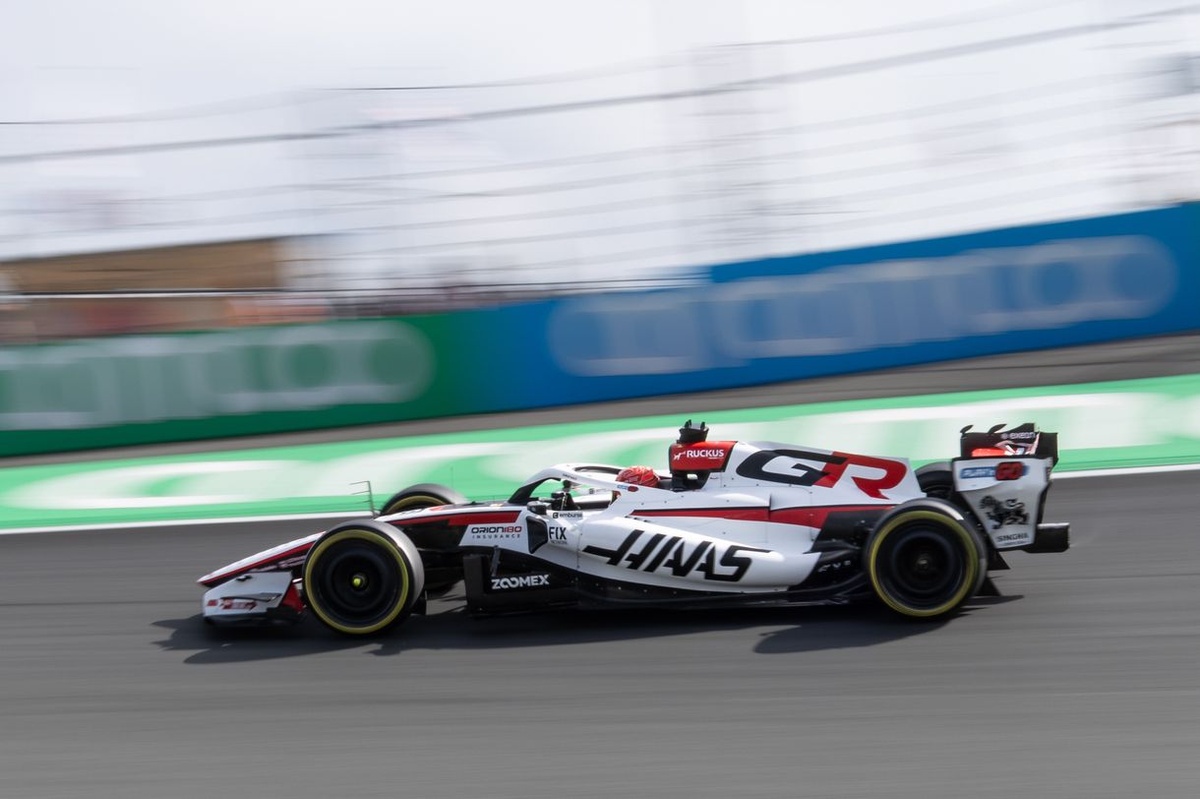
Haas just lost its second-year certainty
The news is finally on the table: Esteban Ocon will not be in a Haas seat beyond 2026, and that changes the temperature around Haas in a hurry. Oliver Bearman is still there, the team has one side of the garage locked down, and now the other side becomes the kind of seat that gets watched, parsed and quietly negotiated months before anyone says it out loud.
This is the part of Formula 1 that casual fans never really see. A driver leaves and suddenly the whole market ripples. Engineers start asking different questions. Sponsors ask more awkward ones. Rival managers begin looking at Haas differently because a race seat in a midfield team is never just a race seat. It is a proof-of-life test.
Why Ocon’s exit matters more than the headline suggests
On paper, this is a straightforward split. In practice, it says plenty about where Haas thinks it is headed. Ocon came in with real F1 mileage, a Formula One race winner’s résumé, and the sort of profile that should stabilize a team that still has to fight tooth and nail for every point. If that pairing is ending after 2026, Haas is either chasing a different direction or admitting the fit never fully clicked.
That matters because Haas is not shopping in the same aisle as the front-runners. The big teams can sell wins, podiums and a clear technical ladder. Haas sells opportunity, visibility, and the chance to build something in the thick of the midfield. That makes driver selection a balancing act. Go too young and you risk inconsistency. Go too established and you start paying for reputation instead of potential.
And yes, the market is going to remember that Esteban Ocon seat is open. It does not stay open for long in F1 before other teams start using it as leverage.
The five-name race is really about team identity
The list of candidates floating around this kind of vacancy always tells you what a team values. Not just speed. Not just cash. Not just nationality or academy politics. It tells you what kind of outfit it wants to be in two years.
If Haas leans toward a proven hand, it is saying the Bearman-Ocon era was never supposed to be about patient development. It is saying points matter now, stability matters now, and the team does not want to spend 2027 teaching somebody how to survive a rolling reset in the midfield.
If Haas goes younger, that is a different message entirely. It would mean the organization believes Bearman needs a teammate who can grow with him, not over him. It would also suggest Haas is willing to tolerate more volatility if the long-term upside is real. That is how some teams operate when they think they can out-develop the grid instead of outspending it.
Haas is not just filling a seat. It is choosing whether 2027 is about surviving the midfield or trying to climb out of it.
The other thing to watch is how the paddock talks about value. Teams like Haas cannot ignore the economics of a driver deal. In this tier of the sport, performance and commercial pull are forever in the same conversation. The right seat can help with technical direction. It can also help in the sponsor room. Both matter. Neither is optional.
Bearman’s presence makes the decision sharper
Oliver Bearman changes the shape of the whole thing. Once a team has a young driver in-house, every partner it adds becomes a statement about trajectory. A teammate for Bearman has to fit the timing of the project, not just the lap time sheet.
That is why this replacement race feels more interesting than a standard silly-season vacancy. Haas is not searching for a placeholder. It is searching for a complement. Someone who can either steady the operation or push it forward without creating friction that bleeds points on race day.
From the outside, the smart money says Haas will want flexibility. The team knows how thin the margins are in the midfield, and it also knows how quickly a decent driver market can dry up once the top teams settle their own plans. The earlier this gets framed, the better Haas can position itself before the rest of the grid starts circling.
My read: Haas needs a cleaner identity, not just a faster lap time
Here’s the real takeaway from where I sit: this is one of those decisions that tells you more about the front office than the garage.
I’ve watched enough of these midfield pivots to know that teams often talk about pace when what they actually need is coherence. A car can be built in a hundred different ways. A driver lineup cannot. If Haas picks the wrong profile, it spends another season explaining itself. If it picks the right one, suddenly the team looks organized, intentional, and harder to dismiss.
That is why I would not treat this as a simple replacement story. This is a brand-defining move for an outfit that has spent years trying to prove it belongs in the same conversations as the better-run midfield teams. The opportunity is there. The danger is that Haas chases a headline name without asking whether the fit works on Sundays.
And in a sport this tight, the fit is the feature.
The next dominoes are already moving
The market will start sorting itself quickly now. Drivers without a locked-in future will ask where Haas fits in the chain. Agents will gauge whether the team wants certainty or upside. Rivals will watch whether Haas prefers a steady adult in the room or another project driver.
Either way, this is no longer a passive corner of the driver market. Haas has a seat open, Bearman already in place, and a decision that will shape the tone of its 2027 season before the first wheel even turns.
More from Straight From The Bench
Comments
Join the conversation — sign in to leave a comment.
Sign in to commentRelated Stories

Esteban Ocon Haas split: F1 future suddenly in doubt
Haas is moving on from Esteban Ocon after the season, and that changes his whole leverage map. In Formula 1, timing is half the battle — and his clock just got louder.
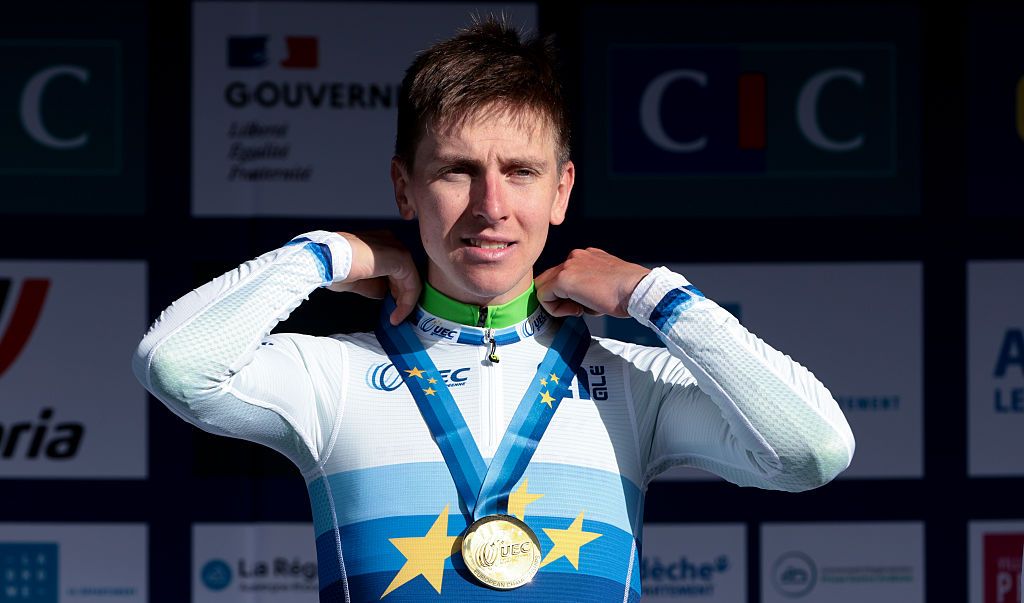
Tadej Pogačar European Championships: Slovenia’s line-up loses its brightest star
Slovenia has confirmed its European Championships roster without Tadej Pogačar, leaving Primož Roglič and Matej Mohorič to carry the load. The jersey still matters; the aura does not.
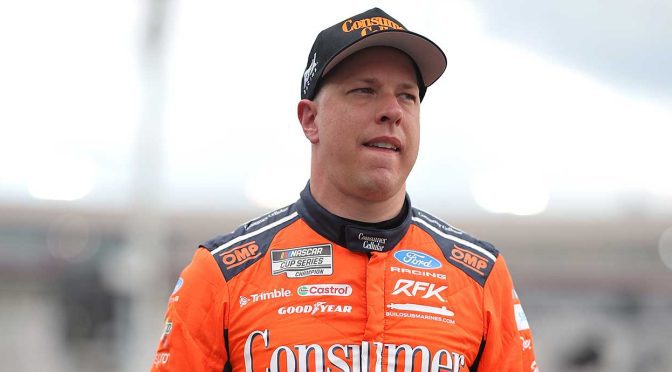
Brad Keselowski RFK Racing Ford Departure: What 2026 Means
Brad Keselowski will leave RFK Racing’s No. 6 Ford after 2026, setting up a long goodbye and a rare, deliberate transition in NASCAR.