
F1 Italian Grand Prix: What Monza Told Us About 2026
Monza looked familiar on the surface. Underneath, the title race and 2026 picture are shifting fast.
 Zane Miller5 min read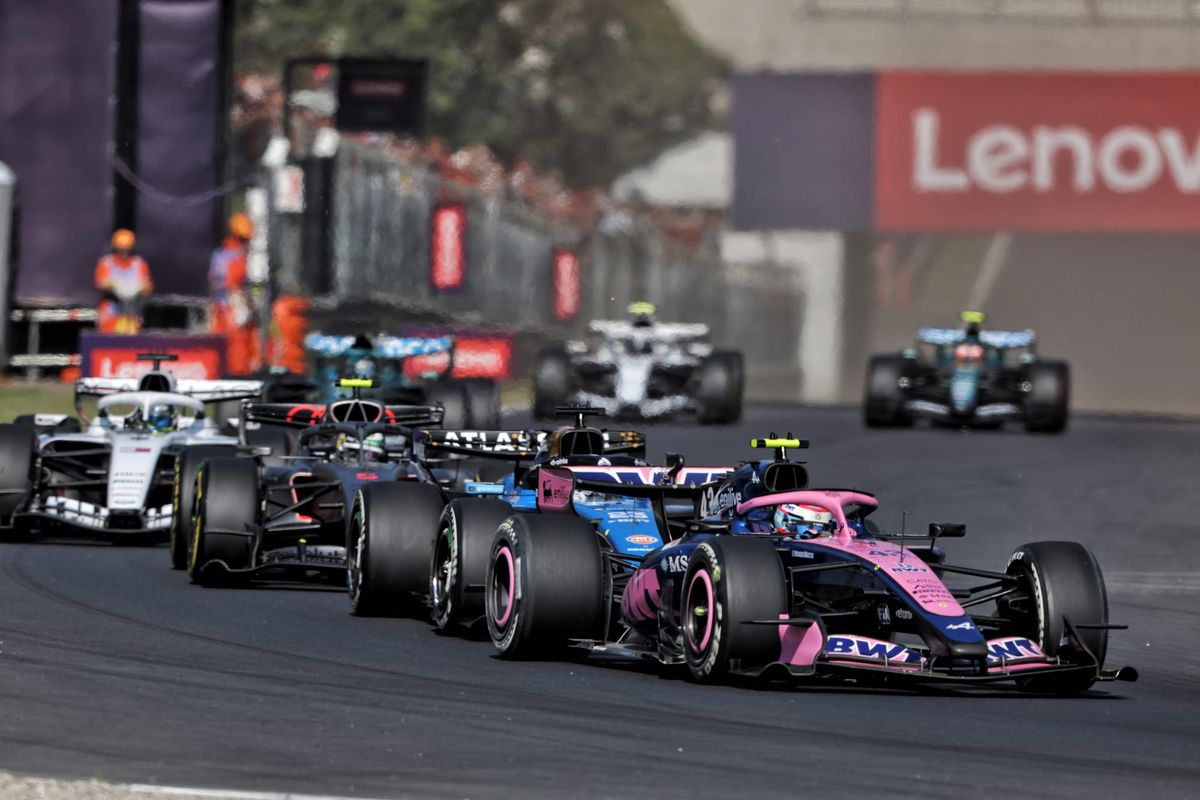
Monza has a way of stripping the varnish off Formula 1. The Italian Grand Prix is usually sold as speed, noise, and tifosi energy, but what it really does is expose truth. This weekend did that again. The result may have looked familiar, even almost routine in the end, but the road to it was anything but. The European leg is over now, and the grid leaves Autodromo Nazionale Monza with a clearer picture of who is controlling the present — and who is already gaming the future.
Monza rewarded the team that made the fewest mistakes
This was not one of those Monza races where chaos writes the whole script. The big story was control. The winner had a more ordinary run than plenty expected, which is its own kind of warning label for the rest of the field. In modern F1, “routine” wins usually mean the car, the strategy, and the execution are all on the same page. That’s not luck. That’s program strength.
And that’s what separates the front-runners from the almost-there crowd. The leaders didn’t need a miracle. They needed clean air, a solid pit lane, and no self-inflicted damage. That’s how you stack points in a season where the margins are tiny and the track position game is brutal.
For the chasing teams, Monza was a reminder that raw pace still matters, but it is no longer enough by itself. If you blink on tire management or misjudge the timing of a stop, the race is gone. The garage that understands that fastest usually wins these late-summer weekends.
The European swing is over, and the real chess match starts now
The end of the European stretch always changes the tone. Teams are done with the easy rhythm of back-to-back familiar circuits and factory-to-track logistics that they’ve had wired for months. Now the paddock shifts into the long, more expensive grind where every upgrade package has to justify itself and every development decision starts to carry 2026 weight.
That matters because the next regulation era is not some distant rumor. It is already sitting on the desk in the strategy meetings. The best-run organizations are trying to do two things at once: stay sharp enough to win now and avoid building a car concept that gets trapped by the new rules cycle. That balancing act is where championships are won and rookie mistakes are buried.
A race like Monza also sharpens the gap between teams that understand their identity and teams still searching for it. You can see it in how they approach risk. Some outfits are squeezing every last ounce out of the current package. Others are clearly protecting their long-term runway. That tension is the sport right now.
McLaren, Ferrari, and the pressure of expectation
Monza always puts a spotlight on Ferrari. That is the deal when you race in front of this crowd. The scale of expectation is different here, and every operational call gets amplified. Even when the car is competitive, the emotion around Ferrari can distort the conversation. A decent weekend becomes a referendum. A missed opportunity becomes a national debate.
McLaren sits in a different kind of pressure cooker. They are no longer the charming overachiever. They are expected to behave like a front-line title organization. That changes everything: how aggressively they develop, how they manage drivers, how they choose when to take points versus when to gamble for more. The best teams don’t just get judged on pace. They get judged on whether they act like a team that knows it should be in the fight every single Sunday.
Monza didn’t produce chaos. It produced evidence.
That’s the part rival crews will circle in the debrief. Not the headline. The evidence.
What Monza says about the title fight and the 2026 reset
I’ll give you the blunt version: weekends like this are where the smart teams separate from the emotional ones. I’ve watched enough of this sport to know that a “normal” win can be more revealing than a wild one. Wild races flatter everybody. Normal races tell you who actually has their house in order.
And 2026 is already changing how executives think. Nobody in this paddock is building for fairy dust. They’re building for aero efficiency, power unit adaptability, and the ability to survive a rule change without falling into a development canyon. That affects everything from hiring to wind tunnel time to which driver feedback the engineers trust most. It’s all connected.
That’s why Monza matters beyond the podium. It showed which teams can execute under pressure without leaning on drama. It showed which ones still need perfect conditions to look dangerous. And it quietly reminded the rest of the grid that the next era will not reward nostalgia. It will reward discipline.
If you’re Formula 1, this is the sweet spot: the sport looks settled on top, but underneath, the war is already moving to the next board.
The real takeaway from Monza
The European season ended with less theater than some expected and more clarity than the paddock probably wanted. The front of the grid knows what it is. The midfield knows how hard it is to steal a Sunday. And everybody knows the calendar is now shifting into the part where development, not just race-day bravado, decides who gets to matter.
Watch the next few rounds for two things: how the leaders protect their advantage, and how much energy the teams are willing to spend on a future that’s already arriving fast.
More from Straight From The Bench
Comments
Join the conversation — sign in to leave a comment.
Sign in to commentRelated Stories

F1 Italian GP: Kimi Antonelli Stuns From 19th to Win in Monza
Kimi Antonelli turned a brutal grid slot into a Monza masterclass, beating George Russell in a race that felt like a statement. Mercedes just found its next pressure point.

Italian GP Pole: Pierre Gasly Stuns F1 Giants at Monza
Pierre Gasly grabbed his first career Monza pole by beating Mercedes, Ferrari, McLaren and Red Bull on execution, not horsepower. At a track that punishes hesitation, Alpine were all sharp elbows and
NASCAR Cup Series Chase at Darlington: Storylines to Watch
The Cup Series Chase opens at Darlington, where the groove is narrow, the walls are cruel, and patience usually beats bravado. This place tells the truth fast.