
FIFA Argentina Falklands Banner Probe: Why It Won't Go Away
A political flare-up in the tunnel after a semifinal win. FIFA hates that kind of mess.
 Leo Lupo5 min read
Argentina came off a World Cup semifinal high and stepped straight into a disciplinary headache. That’s the modern game for you: one side celebrates, somebody else spots a banner, and suddenly FIFA has paperwork to burn. The governing body says its disciplinary committee will review the match report and weigh the circumstances. Translation: they’re looking for the cleanest way to remind everyone the stadium is not a protest yard.
The banner in question is the kind of thing that never stays “just a message” once it’s held aloft in front of cameras. Argentina’s victory over England already had enough heat baked into it. Add the Falkland Islands dispute to the mix and you’re not talking about harmless locker-room nonsense. You’re talking about history, grievance, and a crowd that knows exactly what it’s doing. FIFA’s code of conduct exists for moments like this, though the organization usually only discovers its backbone after the lights go out.
A semifinal win, then the bill comes due
Tournament football has a way of turning the emotional dial to eleven. One goal can make a nation float. One banner can bring the lawyers in. Argentina’s players didn’t need this kind of side quest after knocking off England in a semifinal, because the sporting story was already big enough on its own. Instead, the discussion gets hijacked by a display that violated the stadium code and invited a disciplinary review.
That’s the ugly tradeoff with major international events. The match itself becomes the clean headline, then the postgame stew starts simmering. Argentina know better than most that nothing attached to an England match stays small for long. If you’ve spent any time around this rivalry, you know the temperature can climb without much help. Toss in a political banner and the room gets hot fast.
FIFA likes order. Politics never asks permission
FIFA’s statement was careful, which is how these things usually go. Match reports get reviewed. Relevant circumstances get considered. Maybe action follows, maybe it doesn’t. The language is tidy. The reality is messier.
The governing body has spent decades trying to keep politics out of the stadium, and it has mostly succeeded in the same way a screen door keeps out a hurricane. It can slow things down. It can’t stop the wind. National teams carry national baggage. Fans bring flags, songs, grudges, and old wounds. Players sometimes inherit all of it whether they asked for it or not.
This is why FIFA gets nervous. Not because a banner is made of cloth. Because a banner can drag the whole tournament into a fight nobody in Zurich wants to referee. It’s the same old tension: the sport wants the stage, and the stage keeps attracting everything but the sport.
FIFA can review the paper trail all it wants; once politics gets waved in the air, the damage is already on the scoreboard.
England, Argentina, and the baggage that travels with them
This is not some random one-off between strangers. England and Argentina have history enough to fill a library shelf, and not the cheerful kind. Any time those shirts cross paths, every gesture gets inspected like evidence. That makes the banner display more than a footnote. It becomes a flare shot into a rivalry that never really sleeps.
There’s a reason people in and around the game are touchy about this stuff. International football thrives on identity, but identity has sharp edges. The World Cup is supposed to be the grand unifier, the cleanest pageant in sports. Then along comes a political message tied to a disputed territory and the whole show looks a little less universal and a lot more human.
I’ve watched enough tournament football to know the script. Someone says it’s harmless. Someone else says it’s justified. FIFA issues a statement that sounds like it was drafted by a committee wearing gloves. And somewhere in the middle, the game takes a hit because grown men with flags can’t resist turning a pitch into a bulletin board.
What matters now is the response, not the outrage
The only question that matters is how hard FIFA wants to come down. If the committee decides the banner crossed the line, there could be fines or other disciplinary measures. If it shrugs, then every future tournament opens the same door a little wider. That’s how governing bodies lose control: not in one dramatic collapse, but in a hundred tiny permission slips.
For England, this is another reminder that a loss in a semifinal doesn’t always end with the final whistle. For Argentina, it’s a chance to see whether the celebration was just a momentary lapse or part of a wider habit of letting politics tag along with football.
And for FIFA, this is a credibility test. The organization loves rules right up until the moment enforcement gets uncomfortable. Then suddenly it’s all discretion and context and careful language. Fine. But if the stadium code means anything, it has to mean something when the spotlight is brightest and the noise is loudest.
I’ll say this plainly: if FIFA lets every politically charged display slide because it doesn’t want the headache, then the code is just decorative wallpaper. On the other hand, if it swings the hammer too wildly, it’ll be accused of picking sides. That’s the trap. International football keeps setting it and FIFA keeps stepping in it.
The sport won’t get cleaner overnight. It never does. But the next move here matters, because the message will travel farther than the banner did.
Expect the committee to make its point soon. And when it does, everyone will pretend they’re surprised.
More from Straight From The Bench
Comments
Join the conversation — sign in to leave a comment.
Sign in to commentRelated Stories
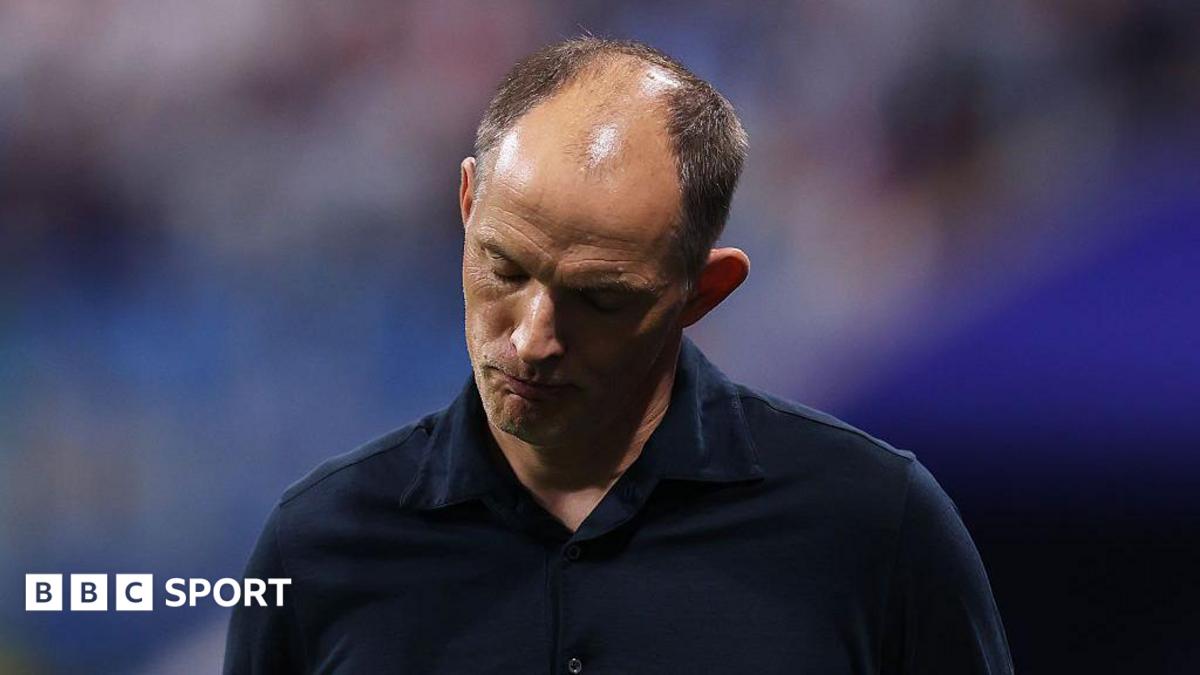
England vs Argentina: Has Thomas Tuchel Really Changed Anything?
Tuchel was supposed to rip up the script. Instead, England’s latest major-tournament letdown has the same old fingerprints all over it.
Argentina World Cup Banner Row: UK Urges FIFA Probe
Argentina’s postmatch banner over the Falklands has kicked the match into politics. FIFA now has a headache, and so does everyone who thought this would stay on the grass.

FIFA World Cup 2026 Semifinals: Biggest Takeaways
After 102 games, the World Cup has reached a final that carries history, symbolism and a little danger. The semifinals didn’t just settle a bracket — they exposed the tournament’s changing center of g