
Gillian Robertson loss at UFC 330: Din Thomas retirement reaction
One brutal night turned into a bigger cornering conversation.
 Zane Miller4 min read
Gillian Robertson did not just lose a fight at UFC 330. She got dragged into the kind of night that exposes every weak seam in a game plan. Multiple takedowns. Constant pressure. Mackenzie Dern threatening submissions. A unanimous decision that never really felt in doubt once the pace settled in.
And then Din Thomas went public with a message that added another layer of heat to the whole thing: he said he was done cornering fighters, right after Robertson’s toughest loss. That’s the kind of moment MMA loves to turn into a debate, because the cage is only half the story. The other half is the people outside it, trying to solve chaos in real time.
A bad style matchup turned into a bad night
Robertson has built her reputation on grappling skill, grind, and control. Saturday flipped that script. Dern is one of the few women at her level who can make a grappling exchange feel like quicksand. Once Robertson started getting put on her back over and over, the fight moved from competitive to survival mode.
That matters because losses like this are not just about one scorecard. They can reshape matchmaking, confidence, and how the division views your ceiling. In the UFC flyweight and strawweight ecosystem, margins are tiny. One lopsided loss can push a fighter from “on the rise” to “needs a reset” fast.
Robertson’s issue was not effort. It was control. Dern dictated the geography of the fight, and when that happens against a top-tier grappler, the optics get ugly quickly.
Din Thomas’ timing made this bigger than one corner
This is where the story jumped from fight analysis to human drama. Cornering is not some ceremonial sideline gig in MMA. It is constant judgment under pressure. A good corner sees momentum shifts before the crowd does. A bad one watches a fighter drown and hopes the next round fixes it.
Thomas stepping away in the immediate aftermath reads less like a strategic announcement and more like a man hitting his emotional limit. That doesn’t make him wrong. It makes him honest. The corner takes the blame when the fighter loses, even when the fighter is the one getting physically outmanned.
MMA corners live in the blast radius. When a fighter gets washed, the coach gets measured too.
There’s also a bigger layer here. In combat sports, coaches are expected to be surgeons, psychologists, tacticians, and crisis managers all at once. That job gets heavier when a fighter is in a rough matchup and the fixes aren’t landing. Thomas’ reaction is a reminder that the emotional toll is real, even for veteran voices who have seen everything.
What Robertson’s loss means for her spot in the division
Robertson is still a useful fighter. Don’t let one bad night rewrite the file. But this is now a checkpoint fight, the kind that forces a hard look at where she fits against the division’s better grapplers and stronger wrestlers.
That’s the brutal part of UFC roster economics. A fighter can be good enough to remain relevant and still be far from title conversation. The gap between “solid contender” and “can actually win this level of fight” is often one matchup away from showing itself. Dern exposed that gap.
If Robertson’s team is smart, this is not about panic. It’s about recalibrating. Fix the defensive layers. Clean up the scramble exits. Decide whether she needs more separation striking in order to keep high-end grapplers honest. The division will not wait for sentiment.
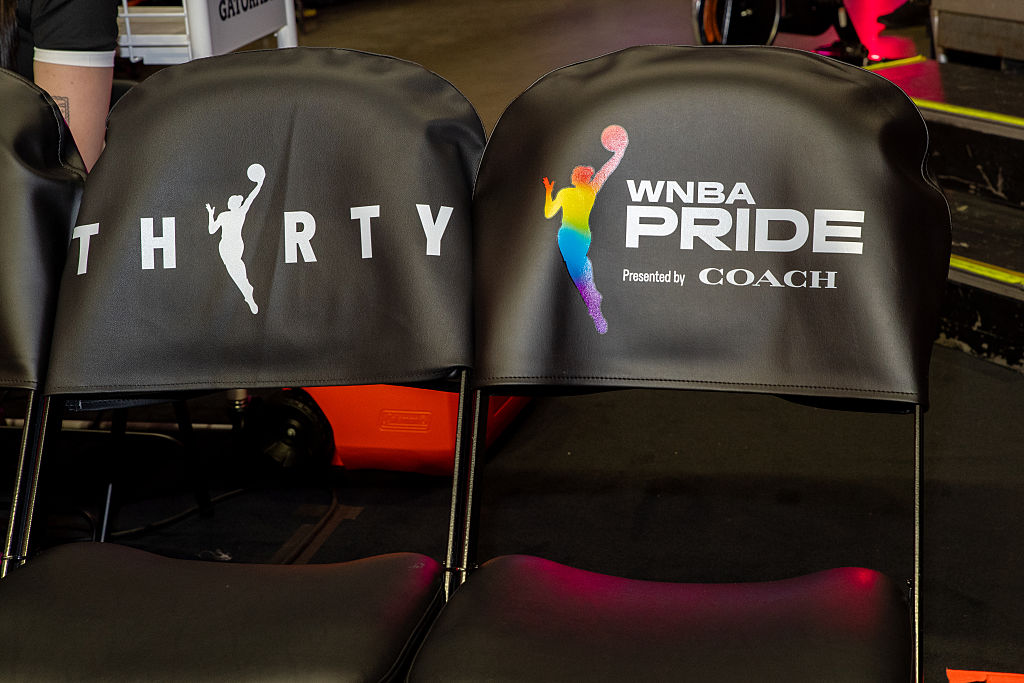
For a wider look at how public fight-night tension can spill into something messier, the reaction to the Atlanta Dream anti-trans shirt controversy showed the same basic truth: sports audiences don’t just consume the result, they consume the fallout.
The coaching conversation is the real subtext
Here’s my read: Thomas’ line hits because MMA has been drifting toward a public reckoning on coaching accountability for years. Fans love the fighter, but the corner gets either overpraised when things go right or roasted when things go sideways. Very little middle ground. That’s not sustainable, and a lot of coaches know it.
I’ve always thought the smartest corners are the ones who understand when their voice is helping and when it is just noise. The great ones simplify. They shorten the distance between information and action. When the plan is gone, they don’t keep selling the plan. They find the fighter one usable answer.
And if Thomas really is stepping away from cornering, then Saturday wasn’t just about Robertson absorbing a loss. It was a sign that the stress line in MMA coaching is real and getting harder to ignore. This sport eats pride for breakfast, and even the people in the corner aren’t immune.
The next move matters more than the reaction. Robertson needs the right rebound spot. Thomas needs to decide whether this was a heat-of-the-moment exit or a genuine ending. Either way, the ripple is already out there. And in MMA, that ripple usually turns into the next storyline fast.
More from Straight From The Bench
Comments
Join the conversation — sign in to leave a comment.
Sign in to commentRelated Stories

Din Thomas Apologizes to Gillian Robertson: UFC 330 Fallout
Din Thomas owned his decision after UFC 330 and apologized to Gillian Robertson for a call that landed wrong in the harshest possible light. The damage was emotional, not just strategic.

Ian Machado Garry UFC 330 Loss: What's Next at Welterweight
Ian Machado Garry talked like a future champion. UFC 330 reminded him the division doesn’t care about speeches. The real question now is whether he rebuilds smart.
Atlanta Dream WNBA anti-trans shirt controversy: why it matters
The WNBA didn’t create this mess, but it’s the one left to clean it up. Atlanta’s crowd problem is now a league problem, and everyone knows it.