
Good Good Golf backlash: Callaway ends partnership after ad blowback
A creator brand learned fast: culture-war noise can still torch real money.
 Zane Miller5 min read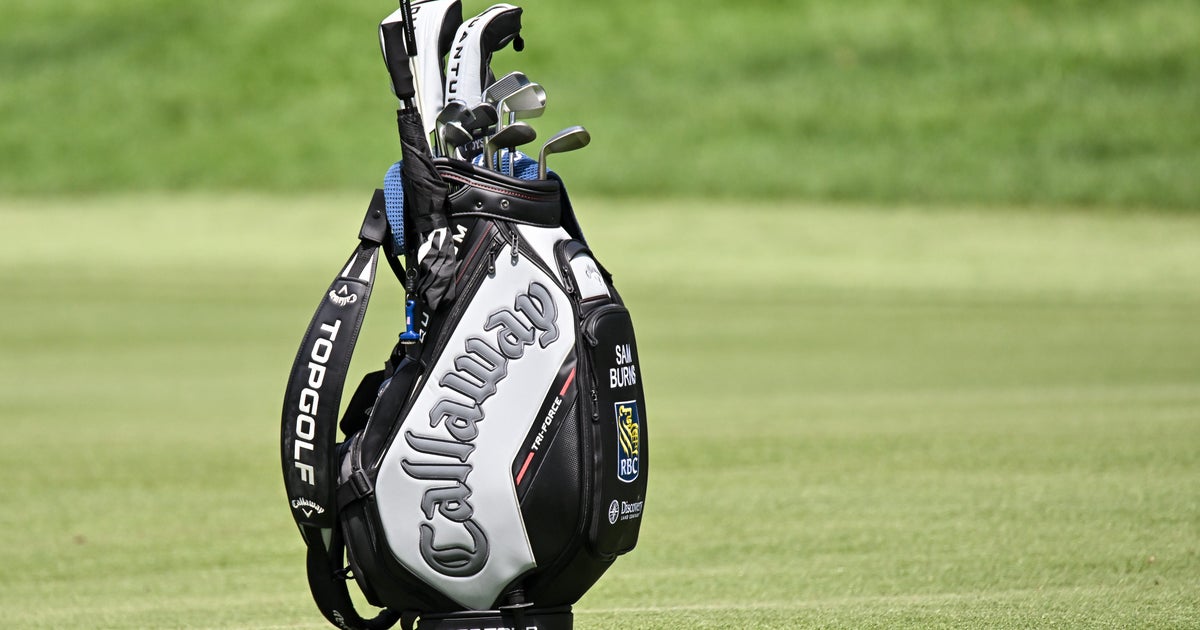
Good Good Golf had the kind of week brands spend years trying to avoid. A controversial ad lit the fuse, accusations of sexism piled up, and now the fallout is moving from social media rage to actual business damage. Callaway has ended its partnership with the company, and Good Good Golf will no longer sponsor an upcoming PGA tournament. That is not noise. That is a revenue story.
For a digital-first golf brand, this is the nightmare scenario: your audience is watching, your partners are watching, and the marketplace is watching even harder. Once a sponsor pulls back, the conversation shifts from whether the ad was offensive to whether the brand can still be trusted to sit at the table with major players in the sport. That matters because trust is the currency in this lane, and you do not rebuild it with a funny apology video and a few likes.
The ad blew past the usual internet mess
There is a big difference between an online clip getting dunked on and an online clip becoming a sponsor problem. Plenty of brands absorb backlash, issue a statement, and move on. This one crossed into partnership territory fast. That is the part executives always fear: not the initial pile-on, but the moment the people paying the bills decide the heat is too much.
Good Good Golf built its name by living in the overlap of content, community, and golf culture. That model can print money when the tone is right. It can also crater quickly when the content reads as lazy, tone-deaf, or worse, and the audience that once felt like a built-in promotional engine starts feeling like a referendum.
Callaway’s exit tells you where this landed on the corporate risk scale. Callaway Golf does not need unnecessary controversy attached to its name. The company has spent decades operating in a premium space, and premium brands do not love being dragged into a social pileup over a creator ad that hands critics an easy target.
Why the sponsorship loss matters more than the outrage cycle
This is the part a lot of people miss. Social backlash is loud, but sponsor pullback is where the real damage shows up. One lost partnership can snowball into a pattern if other brands decide the safest move is to wait and watch from the sidelines.
Good Good Golf’s business model depends on reach, relevance, and commercial confidence. It is not just about making golf content. It is about being a platform sponsors want next to their product. That is why the loss of the upcoming PGA tournament sponsorship is such a sharp hit. Tournament tie-ins are not decorative. They are legitimacy. They tell the market you are not just a digital brand with good engagement numbers; you are part of the sport’s wider ecosystem.
And the ecosystem is unforgiving. Golf has always been a weird mix of tradition and modernization, and creator brands live right in that tension. They bring younger eyeballs and a looser voice, but they also operate under a microscope. If the content slips into stereotypes, the audience is not just offended. The business side starts asking whether this group actually understands the sport it is monetizing.
The bigger lesson for creator sports brands
There is a reason this feels bigger than one ad. Creator-led sports media has been treated like the cheat code of the modern era. Build an audience first, land sponsors second, scale forever. That formula still works when the brand voice is sharp and the audience feels respected.
But creator brands have a blind spot that old-school sports properties learned the hard way years ago: the internet rewards edginess until it punishes carelessness. Once a sponsorship brand gets associated with a controversy that looks avoidable, the cleanup gets ugly. Partners do not want to explain themselves in a boardroom because a content team thought pushing a line was worth the engagement spike.
The ad didn’t just spark criticism. It exposed how thin the margin is between virality and reputational damage.
I keep thinking about how often sports media founders confuse attention with durability. I’ve seen this movie before in different packaging. A brand gets hot, the followers stack up, the merch sells, and everybody starts acting like momentum is the same thing as insulation. It isn’t. The market eventually asks a simple question: would you still make this deal if your brand had to sit next to a controversy slide in a sponsor deck? That is where this kind of story turns from internet theater into a real management test.
And if you want the sharper historical parallel, look at how quickly mainstream sports partners retreat when they sense a values mismatch. They are not usually looking for perfection. They are looking for predictability. Lose that, and the rest gets very expensive, very fast.
What happens next for Good Good Golf
The immediate repair job is obvious, even if nobody in the building wants to say it out loud. Good Good Golf needs to show it understands why the backlash landed the way it did, not just that it happened. Brand apologies that sound like legal memos do nothing here. Neither do vague promises to “do better” if the underlying issue is still sitting there untouched.
The tougher challenge is commercial. Other sponsors will now be studying how the company handles this stretch. They will want to know whether the backlash is a one-off mistake or a sign of a sloppier internal process. In golf, where sponsor relationships can last years and tournament alignment matters, one bad week can bleed into the next quarter if confidence doesn’t come back quickly.
This is also a reminder for the rest of the creator economy: the bigger you get, the less room you have to be casual about the message. Sports fans are not a monolith. Golf fans especially are a mixed crowd, and if you alienate part of it with content that reads as cheap or sexist, the market response can get harsh fast.
Good Good Golf has the audience. The question now is whether it still has the benefit of the doubt. That is the next battle, and it starts before the next sponsor call goes cold.
More from Straight From The Bench
Comments
Join the conversation — sign in to leave a comment.
Sign in to commentRelated Stories

Tour Championship: Viktor Hovland tied for lead after Round 2
Viktor Hovland and Ryan Gerard share the lead at East Lake, with Scheffler, Morikawa and company lurking. The weekend just got louder.

J.J. Spaun shoulder injury: Tour Championship withdrawal stings
J.J. Spaun’s withdrawal at East Lake was not a footnote; it was a reminder that golf’s sharpest competition still asks the body for a price. The U.S. Open winner now has a more delicate battle ahead.

Garrett Clark Callaway Ad Apology: Good Good Golf Fallout
Garrett Clark’s apology does not stop the heat around Good Good Golf. The bigger issue is what this says about creator brands, sponsors, and crisis control.