
Guardians Trade: Craig Yoho, Blake Perkins for Bo Naylor
A thin-margin baseball deal with October motives and no room for sentiment.
 Beatrice Kensington6 min read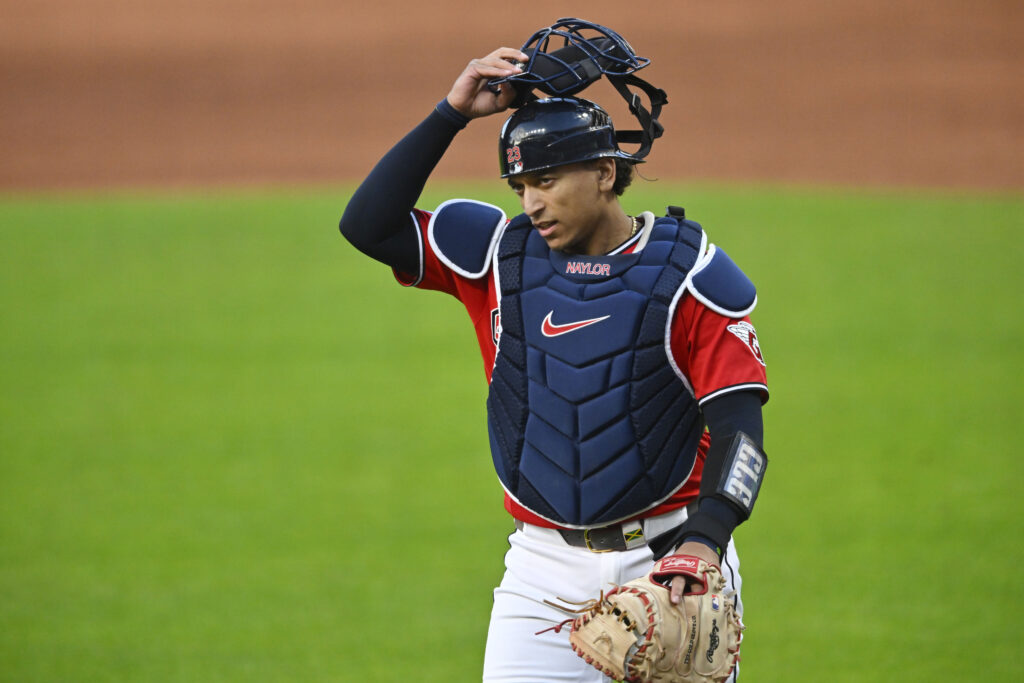
The Cleveland Guardians and Milwaukee Brewers have agreed to one of those compact, unglamorous trades that tells you more about a club’s nerves than its press release ever could. Cleveland gets Blake Perkins and Craig Yoho; Milwaukee answers with Bo Naylor and Codi Heuer. No fireworks. No grand pronouncements. Just two contenders looking at the same October horizon and deciding their present shape still needs sanding.
This is the kind of deadline-minded baseball built less on applause than on arithmetic.
Cleveland is betting that the edges matter more than the name value
The Guardians have spent enough recent seasons teaching us that roster construction is often a lesson in subtraction. They do not usually chase the loudest player in the room; they hunt for the one who makes the rest of the club slightly cleaner, slightly more durable, slightly more difficult to beat over six months and then into the first frosts of October. Perkins fits that kind of thinking. He is not a box-office acquisition. He is a practical one, the sort of player who can move around the grass, survive a manager’s more complicated lineup card, and help keep a game from slipping sideways on a Wednesday night in August.
Yoho is the quieter half of that equation, though in many ways the more revealing one. Clubs in contention are perpetually starved for controllable pitching depth, especially the kind that can survive without forcing a bullpen into daily triage. If Cleveland sees something it likes in Yoho, it is probably the same thing it sees in so many of its successful pitching bets: a delivery, a weapon, a shape to the ball that suggests the hand is not done refining the craft.
The Guardians, who have built so much of their identity around pitching, defense and making opposing clubs feel every out, are signaling that they still trust the doctrine. They are not abandoning it. They are tightening it.
Milwaukee gets younger behind the plate and a chance to reset
For the Brewers, the deal says something different. Catchers are never just catchers. They are traffic cops, memory banks and emotional ballast, all while crouching in the dirt and absorbing the daily wear that turns a tidy statistical line into something much more human. Naylor arrives with the burden and the promise that come attached to a young backstop. Milwaukee has chosen to exchange one kind of roster texture for another, and that is often the sort of move made by a front office that sees a long season in layers rather than headlines.
If Milwaukee Brewers fans are looking for the broad thesis here, it is this: the club values flexibility, and flexibility is easiest to buy when you are willing to part with a piece that feels more certain than the alternatives. Heuer gives them another arm to examine, another possibility to stock away. The Brewers have made a habit of extracting usefulness from imperfect parts. That can look cold from a distance. It is often how competitive organizations stay alive in a league that punishes sentiment.
Bo Naylor’s departure will sting some in Cleveland because the catcher position carries an outsized emotional charge. A young catcher is not just a player; he is a partial projection of the team’s future. Fans grow attached to the idea that the next quarterback, the next cornerstone, the next voice behind the plate will somehow steady everything. That is why this trade feels bracing. Cleveland has decided that whatever it sees in Perkins and Yoho outweighs the comfort of holding its own homegrown backstop.
Why this trade reads like a playoff-club decision
There is a particular species of trade that belongs to contenders. It rarely excites the neutral viewer, and it often leaves the broader market shrugging, yet the clubs involved know exactly what they are doing. They are not trying to win the winter. They are trying to win the next series.
That distinction matters. Teams on the edge of October do not have the luxury of treating every roster decision like an abstract exercise. They are measuring matchups, innings, and the small losses that become fatal when the calendar narrows. Cleveland’s pursuit of useful major-league depth and Milwaukee’s willingness to reshuffle a young catcher slot both point to organizations that believe they can still see the postseason from here. They are not buying hope. They are buying shape.
I’ve always believed these are the trades that tell the truest story about a front office. Not the ones with the parade of names. The ones where a club quietly admits its current version is close, but not quite finished. In another era, teams would have hidden behind the romance of standing pat. Today, the smarter clubs tend to operate like mechanics in a rainstorm, hands cold, sleeves up, refusing to waste a vulnerable inch.
And there is a larger truth humming beneath this one. Baseball keeps drifting toward a market that rewards adaptability over loyalty, interchangeability over attachment. Fans may dislike that. I understand why. A catcher can feel like a local promise, a development project, a person with a future already imagined in the stands before he has fully claimed it on the field. Yet winning clubs keep making the same cold calculation: if a player’s value can be converted into two better fits, the attachment becomes expensive. This is how modern baseball moves. Not always elegantly. Often effectively.
The October ripple effect is the real story
Neither club is making a declaration of supremacy here. The better way to read it is as a set of small wagers. Cleveland believes Perkins and Yoho can help it survive the long middle of the season and still have something left when the air turns sharp. Milwaukee believes Naylor and Heuer can serve a different purpose in a roster built to absorb shifts without losing its outline.
That is what these deals are now: bets on resistance. Can a player withstand the grind? Can a roster withstand an injury? Can a bullpen withstand one more night of leverage? The answers are rarely clean until the pressure arrives.
The Guardians know what it means to live by the margins. So do the Brewers. And this trade, modest as it looks from a distance, is exactly the sort of move that can later feel either barely noticeable or quietly wise, depending on how October remembers it.
Watch the next roster move. Watch how each club uses the new pieces. The season, as always, will tell on them soon enough.
More from Straight From The Bench
Comments
Join the conversation — sign in to leave a comment.
Sign in to commentRelated Stories
Hunter Greene Trade Rumors: Reds Shut Door on Deal
Hunter Greene’s rising market is forcing a familiar kind of baseball decision: cash in a prized arm, or build around the rare one who can change a rotation’s ceiling.

Jarren Duran Outburst: Red Sox Should Have Set a Harder Standard
Duran’s latest flash of anger deserved more than a shrug. The Red Sox keep talking accountability while acting like it’s optional.
Tarik Skubal Trade Rumors: MLB Deadline Dominoes Ready to Fall
Tarik Skubal chatter has the deadline market holding its breath. Now the real question is which club blinks first and starts the pileup.