
IndyCar IR-28 Unveiling: Faster, Lighter 2028 Race Car
A new chassis arrives with old ambition: speed, danger, and the sport’s stubborn hunger to outrun itself.
 Beatrice Kensington6 min read
IndyCar has spent the better part of its modern life chasing a difficult dream: make the cars quicker without making the racing thinner. With the unveiling of the IR-28, that pursuit has finally been given a shape, a chassis, and a date on the calendar. The current car, which first arrived in 2012 and has since been repeatedly refined, has had a long, useful run. But open-wheel racing, like any sport built on momentum, eventually asks for a new engine of ambition.
The IR-28 is not merely a replacement. It is a statement. Faster, lighter, and built for a new technical era, it signals that IndyCar is no longer content to preserve the present in amber. It wants the future to arrive with a louder note and a sharper edge. The question, as always in racing, is whether progress can be measured in speed alone.
A new car for a series that has lived in the shadow of its own history
The current IndyCar chassis has been a familiar silhouette for nearly a generation. In motorsport, that kind of longevity can be a virtue; it gives engineers a stable language, a common frame of reference, and fans a sense of continuity. But it can also become a burden. After enough seasons, the same chassis begins to feel less like a platform and more like a ceiling.
That is the challenge the IR-28 is meant to solve. IndyCar is not pretending that the old car failed. It is acknowledging that a sport built around innovation cannot afford to stand still for too long, especially when the rest of motorsport keeps tightening the screws on performance, safety, efficiency, and spectacle. The new machine carries the weight of expectation not only because it is new, but because it must justify change in a series that prides itself on parity.
For the hard-luck purists, there is always a familiar anxiety: will the new car preserve the close racing that gives IndyCar its pulse? The answer will not come from the renderings, the press cadence, or the polished language around the reveal. It will come from how the car behaves in traffic, how it handles the long months of setup work, and whether the field still feels like a pack rather than a procession.
Speed is the promise. Race craft is the real test.
A faster car sounds simple enough. Fans hear it and imagine the thrill of straighter-line violence, deeper braking, and lap times trimmed like a hedge in late summer. But in IndyCar, raw pace is only one layer of the matter. The real alchemy lies in how that speed interacts with tire degradation, balance, downforce, and the narrow window between bravery and ruin.
That is why this unveiling matters beyond the headline. If the IR-28 delivers more speed but makes passing more fragile, the sport risks buying the wrong kind of excitement. If it improves performance while keeping the door open for varied strategy and genuine wheel-to-wheel combat, then IndyCar may have found the rare upgrade that actually strengthens the product from top to bottom.
The series has long occupied a delicate place in American motorsport, carrying the old soul of open-wheel racing while trying to speak to a younger, more fluid audience that wants drama without artifice. The IndyCar Series cannot build its future on nostalgia alone. It needs a machine that can look fast on a screen, sound purposeful under load, and still leave room for the human finger on the trigger.
The best race car is not the one that merely goes faster. It is the one that gives the best drivers more ways to matter.
That is the real bar for the IR-28. Not just velocity. Not just a prettier profile under the lights. Meaning.
What this means for teams, engineers, and the old balance of power
Any new chassis changes the pecking order, even when the sport insists otherwise. The teams with the strongest engineering staffs, the most adaptable simulators, and the best instincts for setup will read the new rules like a map. Others will spend the first season or two learning what the car wants from them, which is another way of saying the strong may become stronger before the field re-levels.
That has consequences for a series that has, for years, sold itself on the notion that cleverness can still outflank brute resources. A lighter, faster car can reward ingenuity. It can also expose the gaps between teams more sharply, at least in the early stages, when every gain is earned through labor rather than lore.
The sport has seen this movie before. New machinery arrives as a promise, then the garage becomes the real theater. The winners are often not the loudest organizations, but the ones that listen best to the first stubborn data. That makes the next two years as important as the 2028 debut itself. The development cycle will shape the shape of the grid.
For a deeper read on how quickly the market and the paddock can shift, our look at the coming IndyCar-style roster churn in other racing ecosystems would be useful here, if only because motorsport rarely changes one thing at a time. It changes the chassis, then the strategy, then the hierarchy.
My view: IndyCar is betting on appetite, not just engineering
I have always believed the healthiest racing series are the ones willing to risk a little discomfort in service of a better show. Not a cartoonish show. Not manufactured chaos. A real one, built on better machinery and the ancient tension between control and courage.
This is where IndyCar’s choice feels brave. A new car can unsettle the old certainties, and there will be complaints, as there always are when a familiar machine is retired. But stagnation is a quiet kind of decline. It rarely announces itself with a crash. It arrives as sameness, as a series that begins to flatter its past more than its future. The IR-28 suggests IndyCar understands that danger. It is wagering that fans can feel the difference between evolution and cosmetics.
That wager matters because the series sits in a crowded American sports landscape where attention is rationed and allegiance must be earned every weekend. A compelling new car can help; it can make the broadcast cleaner, the speeds more intoxicating, the technical story easier to sell. But the deeper task is cultural. IndyCar has to remind people that open-wheel racing is not a museum piece. It is a living contest, and living things must grow or fade.
The road to 2028 starts now
Between now and the IR-28’s debut, every hint from testing, every setup note, every whisper from the paddock will matter. Fans will not just be watching for speed. They will be watching for character.
If this car gets that right, IndyCar may have more than a new chassis. It may have a fresh argument for why the series still matters.
More from Straight From The Bench
Comments
Join the conversation — sign in to leave a comment.
Sign in to commentRelated Stories
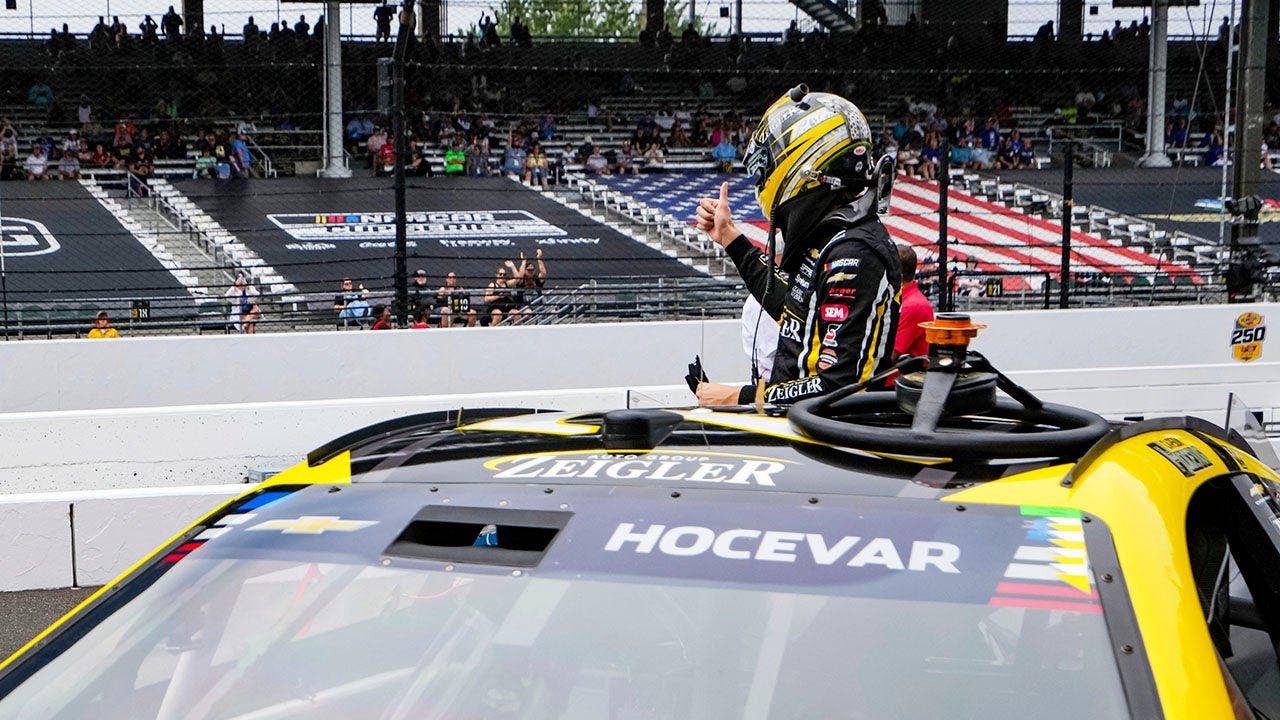
NASCAR Brickyard 400: Empty Seats, Boos and Finger-Wagging
The Brickyard had a winner, all right. It also had empty stands, a foul mood, and another reminder NASCAR’s biggest problem still sits in the grandstands.
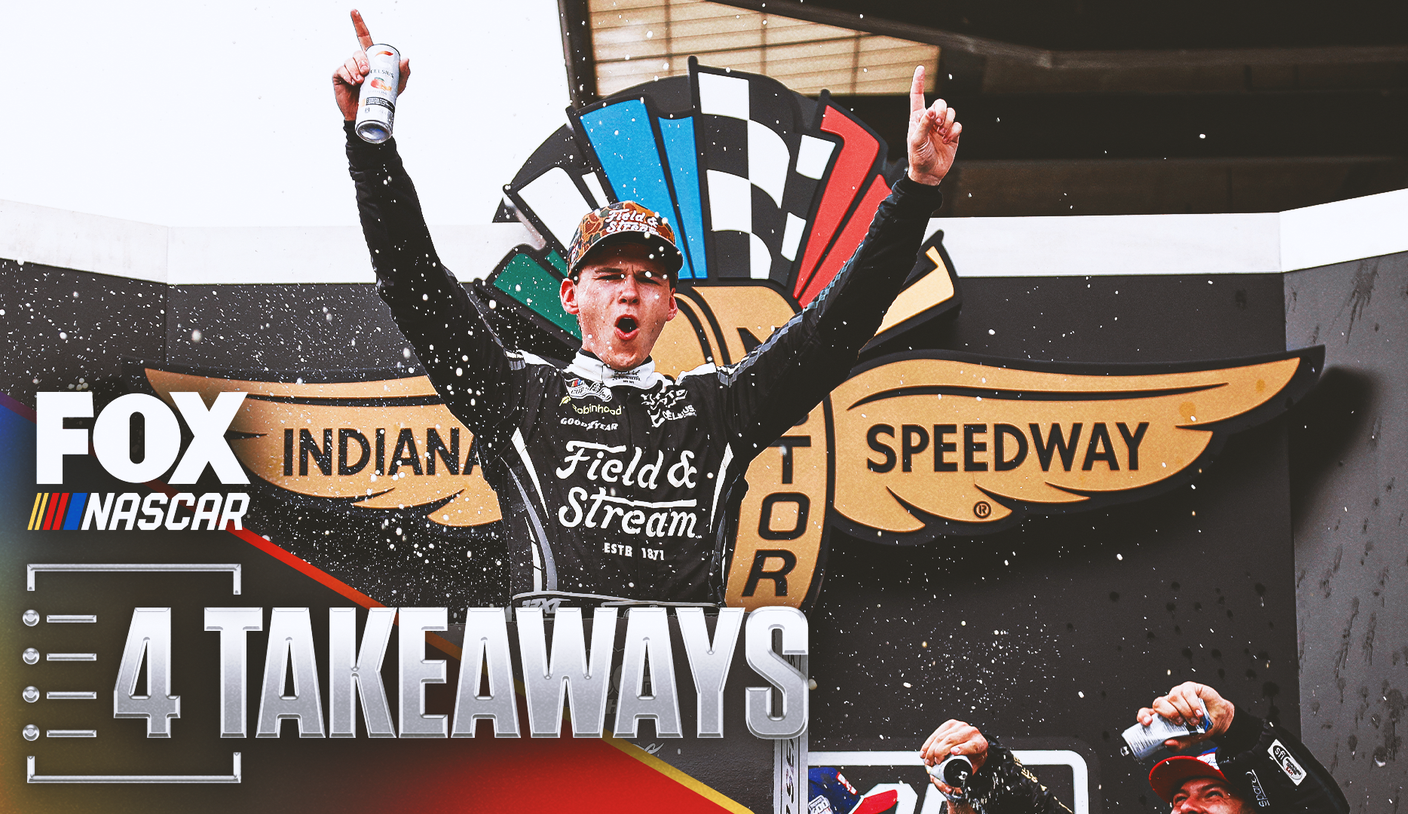
Corey Heim Brickyard 400 Win: How He Took Indy by Force
Corey Heim’s second win of the season came at the Brickyard, where a late restart turned into a hard-earned statement. He didn’t just survive Indy — he owned it.
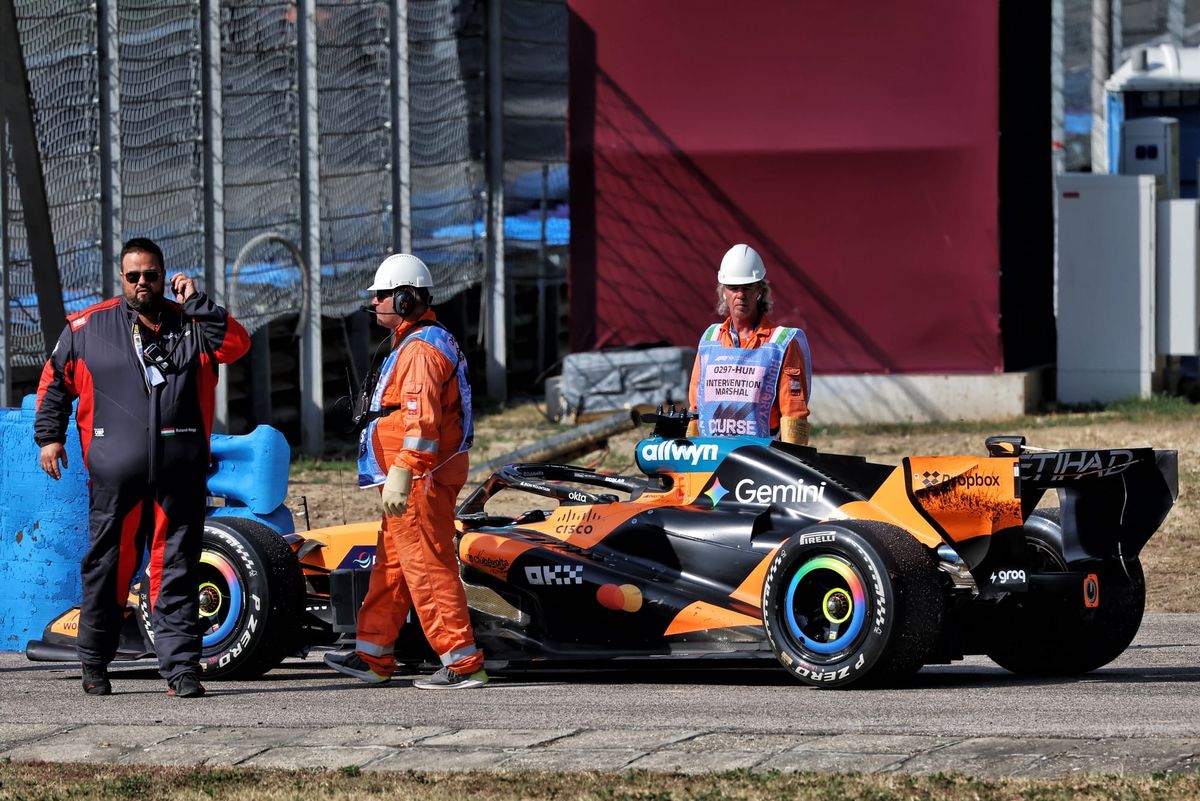
F1 Hungarian Grand Prix 2026: Winners and Losers in Hungary
The 2026 Hungarian Grand Prix handed out a few hard truths. Some teams cashed in on a messy form book; others went home with a polished excuse and nothing else.