
Lance McCullers Jr. Brewers Relief Usage: Rotation Waits
Milwaukee is buying time, not promising innings.
 Zane Miller5 min read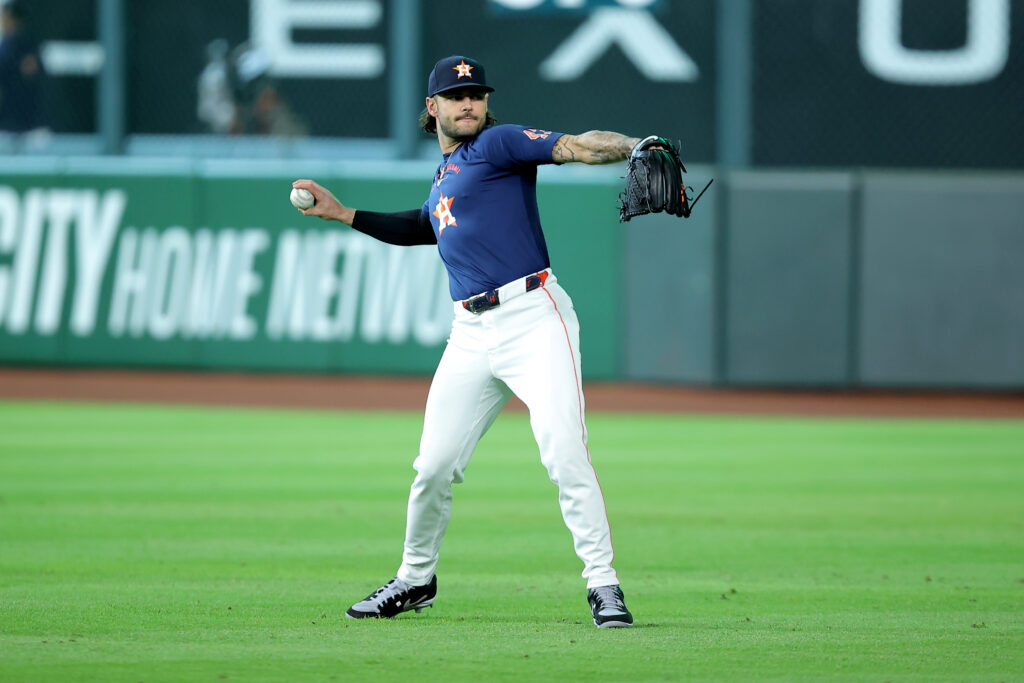
Milwaukee didn’t bring Lance McCullers Jr. back just to toss him straight into the deep end. The Brewers activated the right-hander from the 15-day injured list to open the second half, then immediately parked him in the bullpen. That’s not a retreat. It’s a message.
The message is simple: they want the arm, but they don’t want the risk. Not yet.
The Brewers are managing McCullers like a fragile asset
McCullers has never been a normal pitcher, and the league knows it. The stuff is loud, the delivery is violent, and the injury history has made every return to a rotation feel like a stress test. Milwaukee acquired him with that reality baked in. The Brewers weren’t shopping for certainty. They were shopping for upside.
Putting him in relief first lets the club ease him back into major league speed without asking for five or six innings on day one. It also buys the front office time to see how the body responds after a live appearance or two. For a team that has lived on pitching depth and run prevention, that’s a very Brewers move.
And with the Milwaukee Brewers, it’s always about layering risk. They don’t just ask, “Can he pitch?” They ask, “Can he pitch every fifth day, can he hold velocity, can he recover, and what does the medical staff think after the second outing?” That’s the real checklist. Not the press release version.
Why this matters more than a normal bullpen assignment
A reliever role for a starter can mean a lot of things. In this case, it probably means Milwaukee wants leverage without the length. A short burst is easier to monitor. A long start can expose command issues, pitch count limitations, or some quiet physical hitch that doesn’t show up until the third inning.
The National League playoff race doesn’t care about sentiment. It cares about who can actually take the ball in August and September. Milwaukee already knows what it has in its rotation core. What it doesn’t know is whether McCullers can become a usable late-season multiplier, the kind of arm that changes how you line up a series.
That’s why this matters beyond one roster move. If he settles in, the Brewers suddenly have another weapon for October-style games. If he doesn’t, this becomes a bridge story — a temporary bullpen patch while they wait for a longer-term rotation answer or another deadline move.
Milwaukee is treating McCullers like a late-season upgrade, not a solved problem.
The roster move tells you where the pressure is
The corresponding move sent Jared Koenig to Triple-A Nashville. That part matters too. Teams don’t option useful arms in a vacuum. They do it because the active roster has to be shaped around role, health, and matchups every single day.
Koenig’s move clears space, but it also shows the Brewers are still in optimization mode. They’re not just collecting names. They’re managing inning quality. If McCullers can give them high-leverage relief work now, he stabilizes a staff that is always one pulled hamstring, one dead arm, or one rough week away from needing another reinvention.
The sequencing here is classic front office pragmatism. Activate the talent. Lower the exposure. Gather information. Then decide whether the next step is a bullpen piece, a bulk role, or a rotation return. Nobody in Milwaukee is pretending the first half of this puzzle needs to be solved all at once.
What I’m hearing in the move itself
I’ve seen enough of these midseason rehab-adjacent activations to know the tea leaves. When a team says “relief” first, it usually means the pitcher’s stuff is ahead of the workload. That’s the cleanest read here. The arm is back enough to help. The workload is not back enough to promise regular starter usage.
And that’s fine. Better to be honest about the lane than force a starter’s workload onto a pitcher whose value is tied to health and explosiveness. Milwaukee is not in the business of proving a point. They’re in the business of getting outs when they need them.
My read: this is less about demotion and more about calibration. The Brewers are building a runway for McCullers, not slamming him onto the runway and hoping the landing gear holds. If he looks good in shorter stints, the club can always widen the role later. If they push too fast, they risk losing the whole asset again. That’s the mistake contenders make when urgency starts talking louder than medicine.
I’d also keep an eye on how this affects the rest of the staff. A starter returning in relief often scrambles the rhythm behind him. It can shrink opportunities for a middle reliever, change how the manager handles a third time through the order, and force the club to carry more bulk-innings insurance. Small move. Big ripple.
The Brewers have spent years turning roster micro-decisions into wins. This is another one of those. Not flashy. Not final. Just smart enough to matter.
The next few appearances will tell Milwaukee whether McCullers is a weapon, a work-in-progress, or both. For now, they’ve chosen the safest path with the highest ceiling. That usually means they know exactly how much patience they still have left.
More from Straight From The Bench
Comments
Join the conversation — sign in to leave a comment.
Sign in to commentRelated Stories

Julio Rodríguez Injury Update: Mariners Eye Saturday Return
The Mariners think Julio Rodríguez could be back Saturday after a concussion stint. That’s better news than this club has had in a while.
Julio Rodríguez concussion update: Mariners get hopeful signs
Julio Rodríguez remains sidelined with a concussion, but the Mariners received encouraging signs Friday. For Seattle, the calendar is starting to matter almost as much as the diagnosis.

Tour de France Stage 12 Crash: Collarbone Breaks and Concussion Checks
A late crash in stage 12 sent the Tour into damage-control mode, with collarbone fractures confirmed and concussion checks underway. The sprint stage now has a real aftermath.