
Man United tactics after Fernandes criticism: Amorim's problem is bigger
Bruno called it out. The structure is still the story.
 Zane Miller5 min read

Fernandes said the quiet part out loud
Bruno Fernandes has never been the type to hide behind polite post-match fog. If something looks off, he usually says it. And after Manchester United’s 4-1 defeat to Como, his criticism of the tactical setup landed because it matched what everyone could see on the pitch: a team that looked stretched, disconnected, and too easy to play through.
This is the part United supporters know by heart. One bad result is not the issue. The issue is when the bad result feels familiar. The structure breaks, the press gets bypassed, the midfield looks thin, and the front line ends up chasing shadows. That’s not just a one-off collapse. That’s a system problem.
Fernandes, by calling it out, wasn’t just speaking as captain. He was speaking as the player who tends to be closest to the chaos when United lose their shape. That matters. Captains often get asked to absorb blame and calm the room. Fernandes instead threw a spotlight straight onto the tactical wiring.
Como exposed the gap between possession and control
United can have the ball and still look like they’re improvising. That’s the danger. Possession is not control, and too often under recent regimes, those two things have been treated like the same concept.
Against a team like Como, the problem isn’t just conceding four. It’s how cleanly the opponent can cut through you once the game opens up. That usually points to one or more of three things: poor spacing, weak rest defense, or a midfield that cannot protect transitions. Take your pick. United have offered all three at different points.
There’s also the physical side. One of Rúben Amorim's real strengths, wherever his teams have been, has been building a sharper physical base and raising intensity. That’s not cosmetic. It changes duels, second balls, pressing triggers, the whole tempo of a side. And it’s exactly why the question around this United team matters: if they lose that edge, the tactical framework starts to look decorative.
That’s the uncomfortable contrast. United were not just failing technically. They were getting outworked in moments that should have been non-negotiable.
The physical base Amorim built is suddenly under the microscope
There’s a reason coaches talk so much about intensity and structure before they talk about patterns. If your team cannot repeat actions at speed, the tactics collapse under fatigue and pressure. Amorim’s better sides have usually shown a backbone first, then the fluency.
United, by contrast, too often look like a side waiting for the game to happen to them. That’s where last season’s rhythm matters. With one game a week, Manchester United could look cleaner, more organized, and a bit more patient with the ball. The schedule gives you breathing room. It also hides problems. Fewer matches mean fewer stress tests. The real question was always whether those habits would survive a heavier load, a faster opponent, or a stretch where legs and structure both get tested at once.
Fernandes wasn’t just criticizing a performance. He was warning everyone that the tactical design still isn’t surviving real pressure.
And that’s why the captain’s comments matter more than a standard post-match grumble. Players know when the blueprint is failing them. They also know when the gaps keep showing up in the same places.
What this means for Fernandes, the manager, and the dressing room
This is where the dynamic gets tricky. Fernandes is the creative center of the team and one of the few players with the authority to say what everyone else is thinking. But public criticism always creates a small aftershock. Even when it’s accurate, it changes the temperature.
For the manager, it’s a stress test of control. Can he absorb the hit, correct the shape, and keep the group with him? Or does this become one more moment where United’s messaging sounds stronger than their football? That distinction is huge. Clubs can survive a bad result. They can survive a few. They struggle when the players begin to sound more coherent than the plan.
I’ve seen this movie before with big clubs. The rhetoric gets louder, the margins get smaller, and everyone starts talking about mentality when the real issue is geometry. Where are the full-backs? Who protects the center? Who covers the first pass after a turnover? If those answers are fuzzy, the badge won’t save you.
My read: Fernandes is not trying to destabilize the room. He’s forcing the conversation to stay on the football. That’s usually what top leaders do when they know soft language won’t fix hard problems.
The bigger signal for United’s season
United do not need another vague promise that the “process” is working. They need evidence that the team can survive without unraveling the moment an opponent raises the tempo.
The good news is that tactical problems can be fixed faster than cultural ones, if the manager has the clarity and the squad has the legs. The bad news is that United have spent years proving they can find new ways to say the same old thing. That makes every collapse feel heavier than the last one.
So yes, Fernandes was correct to call out the tactics. But the deeper takeaway is harsher. If the captain can spot the flaw this clearly, then the next step is not explanation. It’s correction.
United need the response now. Not the storyline. Not the defending. The response.
More from Straight From The Bench
Comments
Join the conversation — sign in to leave a comment.
Sign in to commentRelated Stories

Manchester United Champions League loss: Fernandes slams tactics
Bruno Fernandes has drawn a hard line after Manchester United’s 4-1 Champions League defeat at Como. The captain’s frustration says as much about the club’s mood as the result.

Khvicha Kvaratskhelia ACL Injury Update: PSG Faces a Hard Winter
Khvicha Kvaratskhelia’s ACL rupture hits PSG where it hurts most: the width, the chaos, the little bit of fear they use to bend matches.
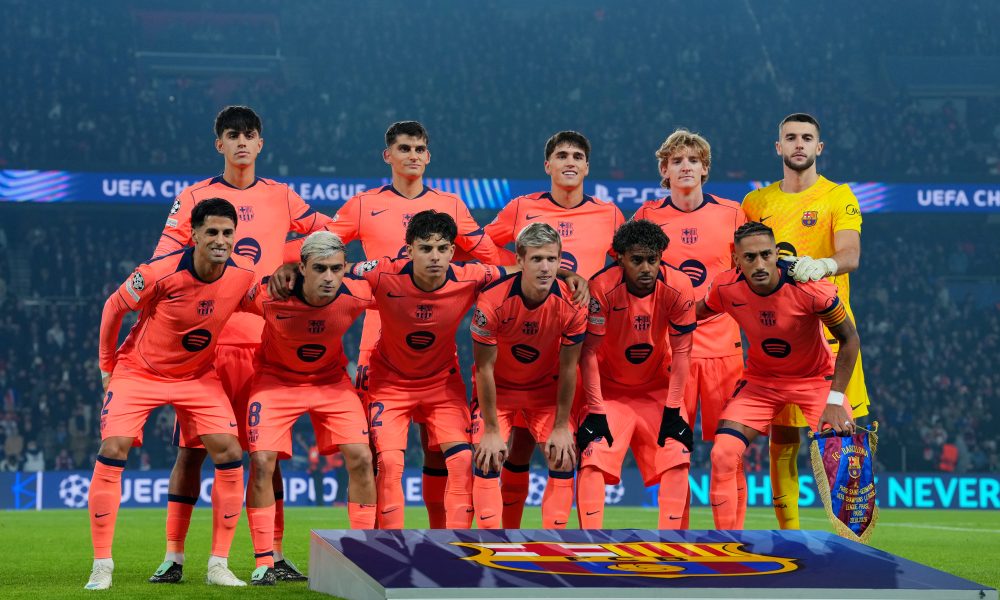
Barcelona vs PSG Player Ratings: Joan Garcia, Gordon, and the cracks
PSG and Barcelona went after each other in Paris, and the result was a sharp reminder that elite games are decided by tiny edges. The ratings tell a familiar story: Barcelona can play, but they still