
Mariners Manager Dan Wilson Exit: Seattle Faces Another Reset
A season of drift ends with the sound of a door closing softly, and that may be the loudest part.
 Beatrice Kensington5 min read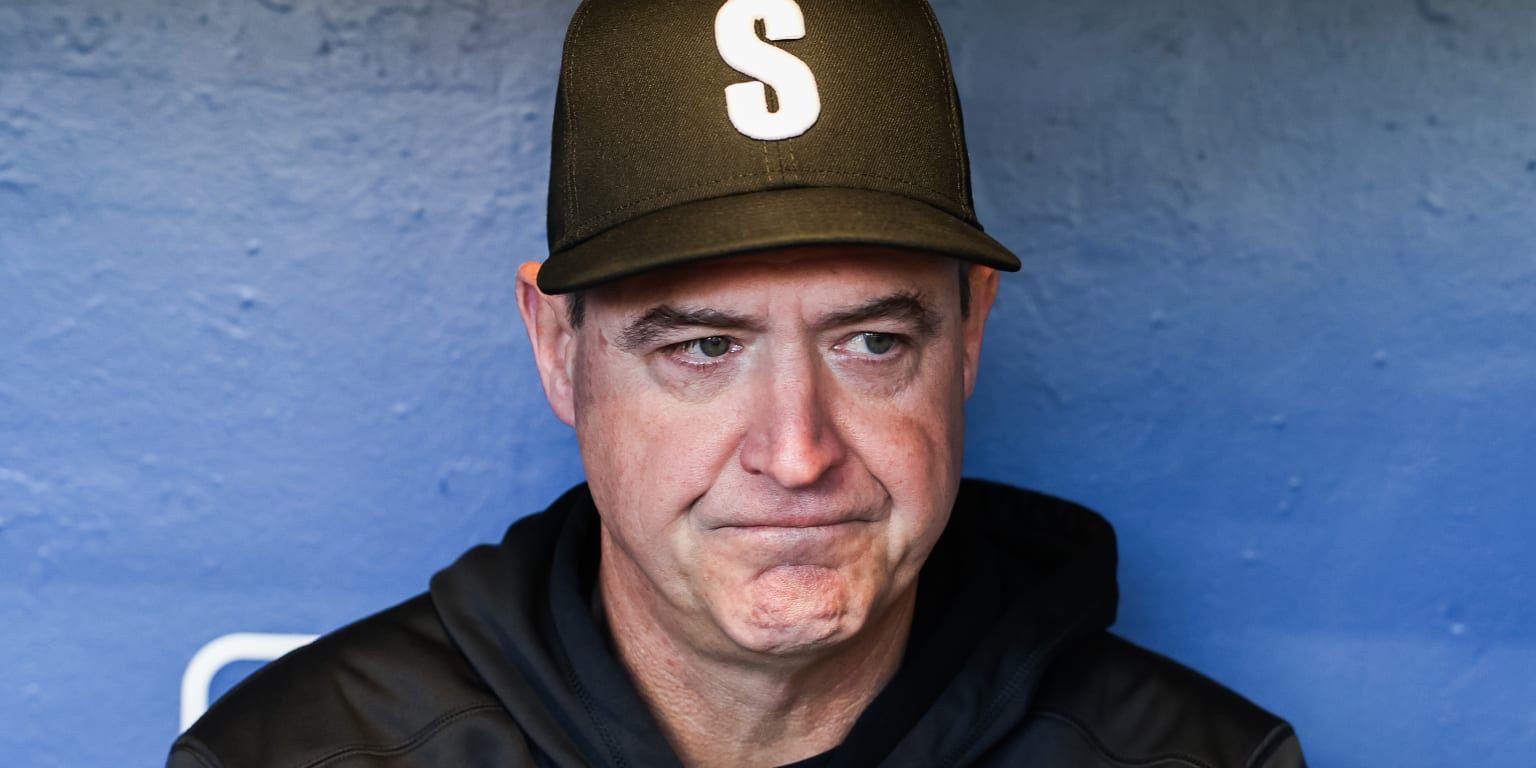
The last day of a disappointing season is often where organizations tell the truth, even when they do it with polished language and careful timing. In Seattle, the truth arrived before the final pitch. Dan Wilson informed the Mariners’ clubhouse that he will not be returning as manager in 2027, a decision that reads less like a surprise than a verdict on a year that never found its pulse.
Wilson’s name still carries the residue of another baseball life — the catching gear, the steadiness, the image of a man who once seemed permanently stitched into the franchise’s memory. But managing is a different craft, less about command than orchestration, and the Mariners never quite found a song under his baton. For a club that has spent years selling patience as a virtue, this season became a reminder that patience without progress eventually starts to sound like drift.
A familiar Seattle ache returns
Seattle has lived this movie before. The Mariners have long been a team of promise interrupted, a franchise that can produce aces and center fielders and public hope, then somehow leave October looking like a place other clubs visit and they merely admire from the outside. That is what makes this latest reset sting. It is not just that Wilson is leaving, or that the club has another managerial search on its hands. It is the feeling that the organization is once again measuring its failures in cycles rather than moments.
For context, this is still the same Mariners franchise that has built whole eras around near-misses, narrow windows and the burden of expectation. The work ahead is bigger than naming a new skipper. It is about deciding what kind of baseball the front office actually believes in, and whether the roster has been shaped to match that belief.
The timing matters, too. Telling players before the season’s final game removes the theater of pretending this is merely a routine evaluation. It is not. It is an acknowledgment that the season has already ended emotionally, even if the schedule still has a few lines to print.
Wilson’s exit says as much about the club as the season
Wilson never looked like a man hired to blow up a room. He looked like a bridge, the kind of figure organizations choose when they want credibility, continuity and a soft hand on the shoulder. There is value in that. Clubs do not survive solely on combustion. But baseball, merciless in its way, does not pay extra for calm if the standings remain ugly.
That is where this gets uncomfortable for Seattle. The Mariners did not merely underperform; they disappointed in the particular way that makes fans feel foolish for believing the next step had already been taken. A bad season can be endured. A season that hints at competence and then slips backward is harder to forgive.
Stability is only a virtue if it leads somewhere. Otherwise, it is just another word for standing still.
The end of Wilson’s run will inevitably invite the usual, lazy blame game — the manager gets the seat nearest the door, the loudest blame, the cleanest headline. But this was never one man’s failure alone. It was a club-wide inability to convert talent into momentum, and talent into belief. That is the harder diagnosis, and the one Seattle cannot avoid if it wants to stop repeating itself.
For a sharper look at how fragile a season can become once the air leaves it, the Mariners’ collapse sits in the same emotional neighborhood as Seattle’s managerial reset, where the cleanup work begins long before the next first pitch.
What the next manager inherits
The next Mariners manager will not be inheriting a blank slate. He will be inheriting expectations, scars, and a fan base that has learned to keep one eyebrow raised at all times. The job will require more than lineup cards and bullpen choices. It will require an ability to stabilize a room that has watched a disappointing year become a referendum.
There is also the matter of the players themselves. A new voice can sharpen attention, especially in a clubhouse where habits have dulled. But voice alone is not the answer. Seattle needs a manager who can make the everyday feel urgent again, who can connect the middle innings to the larger purpose, who understands that in a season like this, the small things are never small.
The pressure will not just land on the dugout. It will ripple upward. Front offices that change managers without changing the structure around them often discover the same disappointment wearing a different jacket. The MLB calendar is generous in time and unforgiving in results; it gives every club months to explain itself and then asks for honesty in October.
Beatrice Kensington: the Mariners need more than a new voice
I have long believed baseball organizations reveal themselves most clearly in the winter they are forced to have, not the summer they hoped to enjoy. Seattle is entering one of those winters. The temptation, after a season like this, is to believe that a new manager can clean the slate with the force of personality alone. That is a comforting fiction. Sometimes it even sells tickets for a while. But the clubs that truly change are the ones that admit their problems are structural, not theatrical.
The Mariners do not need a mascot for accountability. They need a chain of baseball decisions that produces a coherent product, one that does not require supporters to keep translating potential into imagined progress. I think that is what makes Wilson’s departure feel so emblematic. It is not merely a parting. It is the sound of a front office acknowledging that the story it hoped to tell this season never made it to the page.
For fans who have lived through enough false starts to recognize the smell of another one, this is where skepticism becomes wisdom. It is healthy. It is earned. And it will remain until Seattle proves, over months and not speeches, that this reset is aimed at something firmer than hope.
The search begins now. The hard part is not finding a new manager. It is giving him a team, and an organization, worthy of the job.
More from Straight From The Bench
Comments
Join the conversation — sign in to leave a comment.
Sign in to commentRelated Stories

Mariners manager Dan Wilson exit: Seattle resets after lost season
Dan Wilson is out after one season-plus in the dugout, a clear sign the Mariners are treating this disappointment like a full organizational reset.

MLB Wild Card Race: Phillies, Diamondbacks, AL West Go to Game 162
The final NL Wild Card and the AL West are both heading to Game 162, with the Phillies, Diamondbacks, and division chasers all under the gun.

Kirby Yates Retirement: Veteran closer ends a winding MLB career
Kirby Yates called time on a career that never moved in a straight line, but always moved with purpose. The final box score does not tell the whole story; the craft does.