
Micah Parsons on Jayden Daniels: Daniels Cost Dan Quinn His Job
A reckless sentence, maybe — but it lands because the Cowboys have been living it.
 Beatrice Kensington6 min read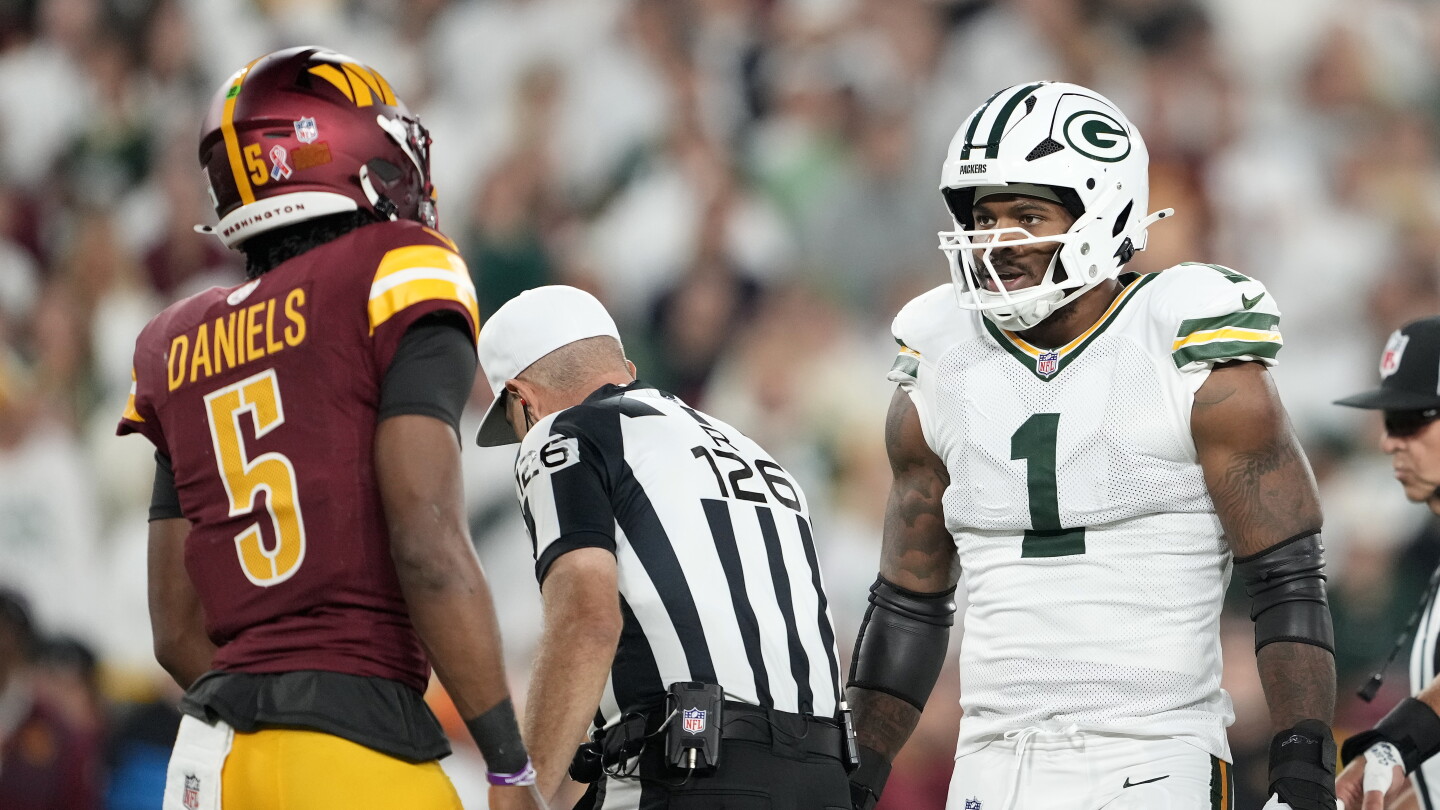
Micah Parsons did not need to reach far for a headline; he simply picked up the one already lying on the field and held it to the light. On his podcast, the injured Dallas Cowboys star said Jayden Daniels “probably cost Dan Quinn his job,” a sentence that carries the scent of a man who knows exactly how to stir the pot and, just as importantly, why the pot was already simmering.
This is what happens when a season buckles under the weight of expectation. One ugly clock sequence, one missed chance, one loss that lingers in the corners of a building, and the blame begins to travel. It moves upward, sideways, backward. It finds the coach. It finds the quarterback. It finds the players who were supposed to steady the room and instead watched it tilt.
The clock disaster that changed the mood in Dallas
The seed of Parsons’ remark is not hard to find. The Cowboys have spent years living at the intersection of talent and disappointment, a franchise so relentlessly scrutinized that every late-game collapse becomes a referendum on competence. Dan Quinn arrived in Dallas with a defensive pedigree and enough credibility to calm the house. His defenses were often the best part of the team, and for a while that mattered.
But a coach’s reputation can vanish in a hurry when a game slips away in the final minutes. A clock management misfire — the kind that makes a sideline look frozen while the opponent keeps moving — is the sort of failure that stains more deeply than a bad scheme or a few missed tackles. It implies not just a loss, but a lapse in command.
That is the context around Parsons’ comment. He is not simply pointing at Daniels, the young Washington quarterback who has become the face of a fast-moving rebuild. He is pointing at the sequence of events that turned one game into a season-altering verdict. In the NFL, timing is politics. In Dallas, it is often destiny.
Why Parsons’ words hit harder than a standard jab
Parsons is not some distant observer tossing barbs from the cheap seats. He is one of the league’s most disruptive defenders, even while he works his way back from last year’s knee injury, and his voice carries inside the NFL whether the league likes it or not. When a player with his reach says the quiet part aloud, it reframes the conversation.
There is also a little theater in the choice of target. Daniels is no ordinary rookie placeholder; he is the sort of quarterback who forces defenses to ask harder questions, faster. His legs change angles. His calm changes tempo. He can make a conservative coaching plan feel antique before the second half begins. That does not mean he personally “cost” Quinn his job, but it does mean he helped expose how fragile the Cowboys’ structure had become.
Great quarterbacks do not merely win games; they reveal which organizations can no longer survive their own mistakes.
Parsons understands that better than most. The finest players are often the first to sense when a team is bluffing. They can feel the seams loosening. They know whether a locker room is built on truth or habit.
Dan Quinn, Jayden Daniels, and the politics of blame
There is a reason coaches are paid to absorb blame and quarterbacks are paid to escape it. The quarterback touches the ball on nearly every important snap; the coach is left to manage the narrative after the game, then explain it again on Monday. When a coach is dismissed, the public likes a clean story. It prefers a neat cause and effect. One failed endgame, one gone coach.
The reality is messier. Quinn’s tenure in Dallas cannot be reduced to one night, just as Daniels’ rise cannot be reduced to one moment of Cowboys frustration. Still, those moments matter because they are how the NFL remembers people. Careers are often edited down to the most vivid frame.
This is the cruel arithmetic of professional football. A defensive coordinator can spend months building a unit that looks organized and forceful, only to have one lapse make him seem careless. A quarterback can spend one afternoon making the right decisions and still be tagged forever as the man who ended someone else’s run. It is unfair, and it is also the business.
For Dallas, the larger issue is how familiar this all feels. The franchise has long been haunted by the gap between self-image and execution. There is always enough talent to justify belief, and always enough chaos to punish it. Quinn’s departure did not happen in a vacuum. It happened in a culture where the margin for error is thinner than the praise.
My read: Parsons is telling on the Cowboys, not just Washington
I think Parsons’ line lands because it is less about Daniels than it is about Dallas refusing to look directly at itself. That is the oldest habit in sports: blame the opposing star for exposing your weakness. The quarterback on the other sideline becomes a convenient villain, as if the Cowboys had not spent years inviting these moments by leaning on reputation and hoping structure would hold.
Quinn may well have been undone by a single disastrous stretch, but that kind of implosion rarely belongs to one person alone. It belongs to a staff that could not settle the game, to a roster that could not stop the leak, to an organization that keeps mistaking star power for insulation. Parsons, in his sharp way, has actually sharpened the criticism of his own franchise.
And there is a broader truth here about Daniels. Young quarterbacks who can bend games with pace and poise tend to alter the power map around them before they have even fully arrived. You see it in the way defenses rush to simplify, then overreact, then unravel. You see it in coaching changes that suddenly look less like overreaction and more like evidence.
For Washington, that matters. For Dallas, it matters more. Because when a rival rookie can become the explanation for your house shaking, the problem is rarely the noise outside.
The Cowboys will keep talking about the play, the clock, the call, the moment. They always do. The real question is whether they are willing to live with the answer.
The next time these teams meet, the words will matter less than the final two minutes. They usually do.
More from Straight From The Bench
Comments
Join the conversation — sign in to leave a comment.
Sign in to commentRelated Stories

49ers vs Seahawks: San Francisco's defensive line finally woke up
The 49ers' pass rush picked the perfect night to look like itself again. Against Seattle, the defensive line flipped the tone of the game and might have reset the season's mood.
Will Campbell Injury Update: Patriots LT Out With MCL Sprain
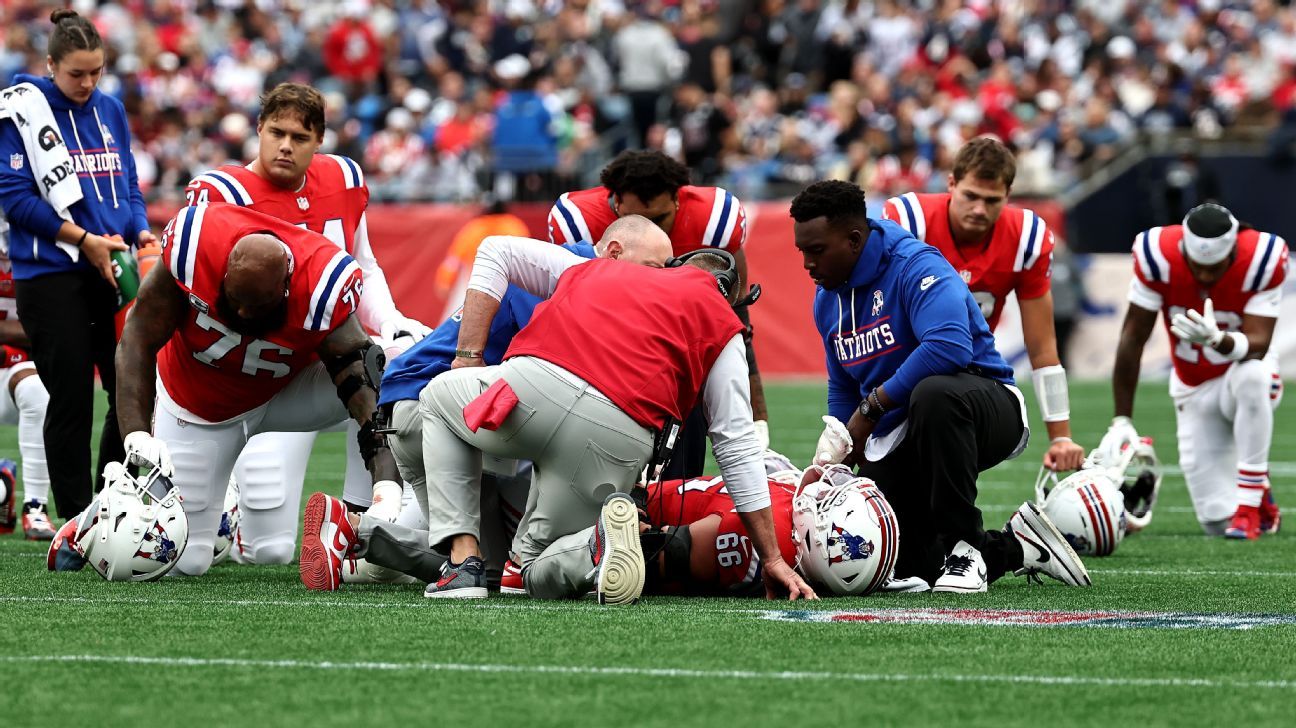
Will Campbell’s MCL sprain hits the Patriots where they can least afford it: the blind side. Now the line has to hold together on the fly.
Rams Kicker News: Harrison Mevis Released, Blake Grupe Signed
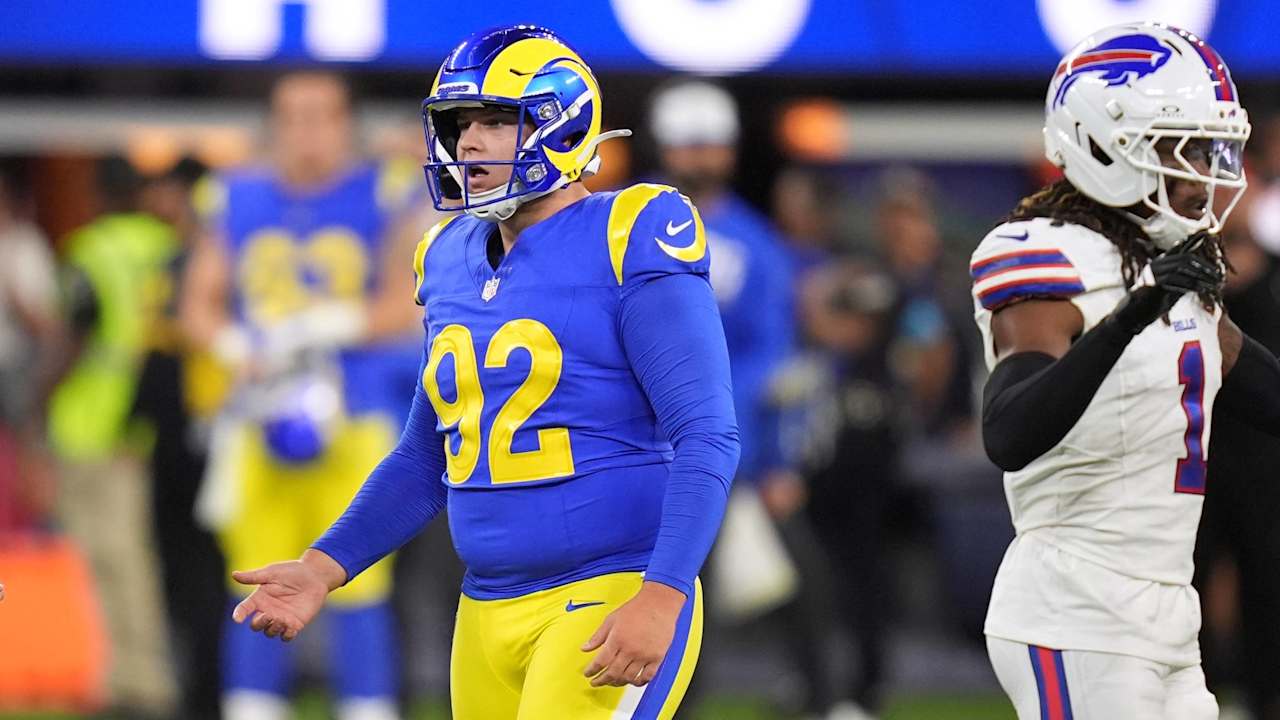
The Rams are moving on from Harrison Mevis and turning to Blake Grupe after a frustrating loss to Buffalo. In the NFL, even the smallest wobble at kicker can tilt a season.