
NASCAR Cup Series Atlanta Race: Quaker State 400 Delayed by Weather
At EchoPark Speedway, the storm took the lead and everyone else waited.
 Beatrice Kensington6 min read
Atlanta waited, and the sky made the first move
By the time the red flag finally lifted at 11:37 p.m. ET, the night had already taken on the eerie stillness of a race track emptied by weather. The Quaker State 400 at EchoPark Speedway did not so much begin as submit, its rhythm broken by lightning, rain, and the long, grinding pause that comes with both. More than three hours vanished into that delay. In motorsport, time is usually measured in laps and fuel windows. On this night, it was measured in patience.
That is the strange truth of NASCAR Cup Series racing in midsummer. The cars are built for velocity, the crews for precision, the fans for noise and motion. Then a storm rolls in and reminds everyone that stock car racing, for all its chrome and choreography, is still at the mercy of the open sky. Atlanta’s delay did not merely interrupt a race; it changed its temperature. The crowd had to stretch itself across the gap. Drivers had to hold their focus in the odd, suspended half-life that weather creates. Crews had to sit on their hands and keep their minds sharp anyway.
A red flag is never just a pause
A red flag in NASCAR is a technical stoppage, yes, but it is also a psychological event. Momentum, so prized and so fragile, gets folded up and put in a drawer. The man who was rolling may no longer be rolling when the track clears. The car that felt right can feel different after the wait. Tires cool. Track conditions shift. Strategy turns slippery.
That matters at Atlanta more than it does at many venues, because this is a place that often races like a negotiation between speed and survival. The drafting lanes, the pack dynamics, the constant need to read the air — none of it rewards half-attention. A long weather delay can turn a race into a fresh puzzle. Anyone who had a setup advantage before the storm must prove it all over again afterward.
Weather delays do not just interrupt NASCAR; they rewrite it.
For the teams, this is where preparation earns its keep. The composed organizations can reset without blinking. The anxious ones start chasing ghosts. In a sport where execution is already measured in tenths, a three-hour delay can feel like somebody reached into the machinery and twisted the gears by hand.
EchoPark Speedway and the old Southern bargain with weather
Atlanta has always had a bruised, practical relationship with summer weather. The South offers racing heat and racing humidity, then asks everyone to live with the thunderheads that come with both. In that sense, this was not an exotic problem but a familiar one. Motorsports, like baseball, has an intimate if reluctant understanding with weather delays; ask anyone who has sat through a rainout at a ballpark or waited out lightning in a grandstand. If you want a reminder of how a night can be stolen, try Orioles-Blaze Alexander hand injury coverage for the harsher side of how fragile a season can feel, or our look at NASCAR Cup Series Atlanta race live updates for the kind of patience these evenings demand.
But racing delays carry their own flavor of drama. A baseball rainout can be rescheduled. A lightning delay in NASCAR does not simply postpone; it distorts the whole competitive field. Some drivers are rhythm racers. Some are brute-force racers. Some are blessed with the ability to climb back into a car after a long wait and hit the same edge they had before. Others need the race to keep breathing. Atlanta’s pause asked which of those groups this field belongs to.
The human cost inside the helmet
People outside the garage often talk about delays as if they are dead time. They are not. They are work, only invisible work. Drivers drink water, stretch, pace, stare at timing screens, and try not to let their minds wander into the dangerous territory where adrenaline starts to cool. Crews monitor conditions and wait for a restart that may arrive with little warning. Officials, meanwhile, balance safety and schedule, knowing that lightning is not a romantic inconvenience but a hard stop.
That waiting has a cost. It frays concentration. It can sharpen nerves into something brittle. And for younger drivers especially, the gap between confidence and overcorrection can narrow fast after a long delay. Veterans usually handle these nights better because they have lived through enough of them to understand the trick: you do not win the restart in the parking lot. You survive the pause, then you race the next five laps as if the evening has just begun.
What this restart changes for the rest of the night
The restart itself becomes a referendum on resilience. Who kept their edge? Who lost their grip? Who can adapt to a track that may look the same but rarely feels the same after weather, especially after a long one? At Atlanta, that matters because the line between a contender and a caution flag can be thin, and the pack can turn unforgiving in a hurry.
It also matters for the broader shape of the NASCAR Cup Series season. Delays like this test more than racecraft; they test organizational maturity. The championship teams tend to absorb disorder without looking rattled. The teams still searching for identity can spend the restart trying to recover not just positions, but composure. That distinction often shows up later in the summer, when every point begins to feel heavier.
I have always thought weather delays reveal the most honest version of a motorsports outfit. You can hide in clean conditions. You can look fast in daylight. But make a team sit for hours under a red flag, with lightning cracking the sky and the night deepening over the speedway, and the mask comes off. Who stays patient? Who stays clear? Who returns to the track as if nothing happened, when in fact everything has shifted?
That is the deeper drama here. Not simply that the Quaker State 400 was stopped. Not even that it restarted late. It is that, for all the talk about horsepower and aero balance, racing still belongs to those who can adapt when the script is torn up in front of them.
A late night, and a small edge for the disciplined
Atlanta did what Atlanta often does in July: it turned a race into an endurance event before the first decisive lap was even run after the delay. The weather took its shot. Now the field has to answer.
The next stretch will tell us who handled the silence best. In this sport, that is often the same thing as handling the speed.
More from Straight From The Bench
Comments
Join the conversation — sign in to leave a comment.
Sign in to commentRelated Stories

NASCAR Cup Series Atlanta Race: Quaker State 400 Live Updates
Atlanta is back in its usual role as a draft-race headache with weather lurking nearby. The Quaker State 400 should be messy, fast and worth every lap.
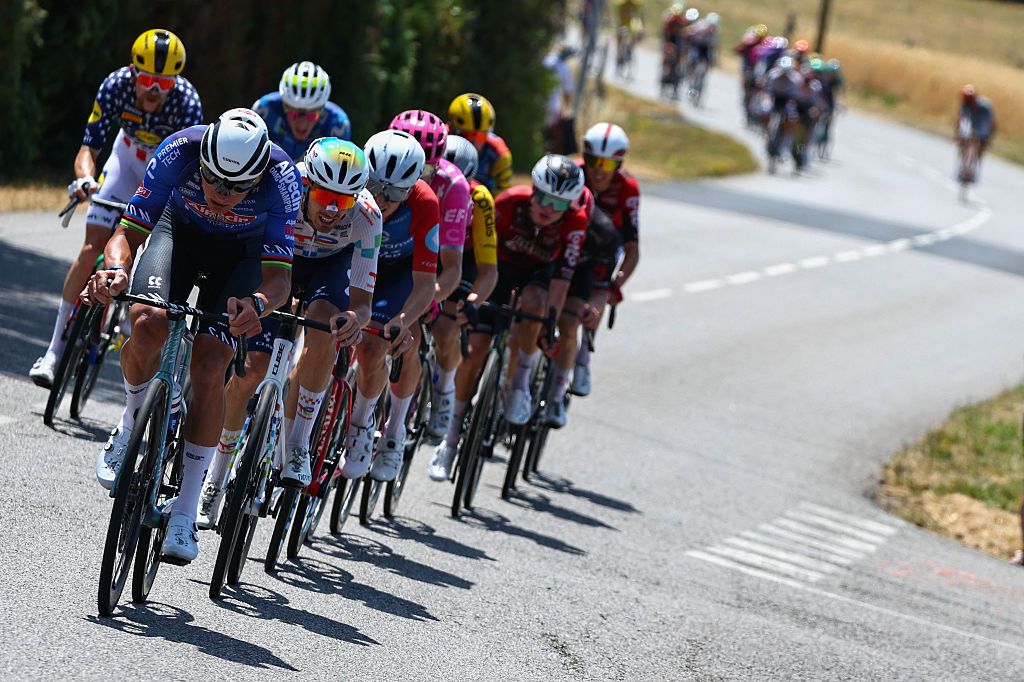
The Day the Breakaway Took the Wheel in the Massif Central
Van der Poel and Pidcock turned stage 9 into a fugitive’s race, and the peloton seemed content to let them run until the road decided otherwise.

Red Sox Playoff Race: 9-0 Road Trip Opens the Door
A 9-0 trip changed the math and the mood. The Red Sox are back in the wild-card fight, and the break couldn’t have arrived at a better time.