
NFL Injury Update: Ja’Marr Chase, Lamar Jackson, and Sunday’s Toll
The league’s brightest stars fell hard, and the ripple effects may last long after the bruise fades.
 Beatrice Kensington5 min read
The NFL has always traded in pain, but there are Sundays when the ledger feels unusually cruel, when the collisions stop looking like football’s accepted tax and start resembling a warning flare. This was one of those days. One star after another went down, and by nightfall the league’s most expensive currency — availability — had already been spent in alarming bulk.
The names matter because the names always matter. Lamar Jackson, a player who bends defensive geometry with a single stride and a single twitch, left the field carrying the emotional weight that every team feels when its quarterback’s body becomes a question mark. Ja’Marr Chase, whose presence warps coverage before the ball is even snapped, was part of the same grim roll call. When a Sunday takes aim at athletes of that caliber, it is not merely a bad day at the office. It is a structural event.
The league’s most valuable asset is suddenly fragile
Injuries are not a subplot in the NFL. They are the hidden script. Every franchise builds its identity around the illusion of depth, then spends the autumn discovering how thin that depth can be when the wrong ankle twists, the wrong shoulder absorbs contact, or the wrong hamstring tightens at full speed.
That is why the damage from a day like this travels far beyond the medical tent. A star receiver missing even a brief stretch changes how safeties play. A quarterback less than whole changes everything — tempo, play design, fourth-down aggression, the mood in the huddle, the confidence on the sideline, the tone of a city’s Monday morning.
The modern NFL asks more of its best players than any previous version of the sport. They are not just performers; they are load-bearing beams. Remove one, and the entire shape of the season can sag.
Why the ripple effect reaches every locker room
There is always a temptation, especially from the clean distance of a television screen, to treat injury updates as isolated stories. Player A is hurt, so Player B gets more touches, and the machine keeps moving. But the league does not work that neatly. It is relational. One absence changes the coverages a defense dares to call. Another changes how much pressure a coach feels to hurry a return. A third changes whether a front office starts thinking in October the way it hoped to think in January.
That is the real anxiety hidden inside a leaguewide injury wave: not only who is unavailable today, but who becomes unavailable again because his replacement cannot fill the same role. The NFL’s middle class has never been more important, and never more overworked. The backup tight end, the third corner, the practice-squad tackle — these are the people who keep a season from unraveling when the stars slip.
If you want a window into how precarious the whole enterprise has become, look at how often teams now speak about “medical caution” as though it were strategy. Sometimes it is. Sometimes it is just survival.
The NFL does not merely punish bodies; it rearranges ambition in real time.
What this means for contenders already under pressure
For teams chasing January, the timing could hardly be worse. The league’s contenders are always one bad landing away from a recalculation, but the teams built around a handful of irreplaceable players are the ones that feel the tremor first. Baltimore, Cincinnati, and every opponent on their schedules now has to readjust to a thinner margin for error.
This is where roster construction stops being a spreadsheet exercise and becomes a moral one. Teams spend months praising toughness, then discover the price of toughness is often more toughness. Coaches ask stars to return, then ask them to be themselves. Fans demand urgency, then complain when urgency turns out to be reckless.
I have covered enough autumns to know that the first injury report rarely tells the whole truth. The larger truth tends to arrive later, after the compensation patterns are exposed and the offense no longer looks quite so easy, after the defense starts cheating toward one threat because another has been neutralized, after the season that once felt inevitable starts looking negotiable.
And here is the part that the television highlights will never fully capture: the emotional drag of it all. There is a distinctly modern kind of grief in the NFL, not because these players are gone forever, but because everyone can see how much worse the sport becomes when even one of them is dimmed. A healthy Jackson is not just a quarterback. He is a design philosophy. A healthy Chase is not just a receiver. He is a problem the defense must solve every snap. Take that away, and the game loses color.
I think that is what Sundays like this reveal, in the harshest possible way. The league sells violence as entertainment, but what it cannot fully market is fragility — the delicate machinery behind the spectacle, the human cost behind the collision. For all the talk about toughness, the NFL is still a sport built on hope that the next hit lands somewhere else.
The next week will tell us plenty
The coming days will be about reports, practice participation, and the familiar ritual of cautious optimism. Teams will speak in soft tones. Players will insist they are fine until they are not. Coaches will say they like where things are headed while keeping one eye on the training room door.
What happens next matters not only for the records, but for the tenor of the season itself. If the injuries linger, some teams will have to rewrite their identity on the fly. If the stars return quickly, the league will exhale and pretend it was simply one ugly Sunday in a violent business. It was more than that.
It was a reminder that the NFL’s glamour is always one hard step away from collapse. The standings will wait. The bodies won’t.
And that is where this season now stands: on the edge of a fresh adjustment, with every contender listening for the sound of its own footsteps.
More from Straight From The Bench
Comments
Join the conversation — sign in to leave a comment.
Sign in to commentRelated Stories

Patriots vs Bills: Mike Vrabel fires back at C.J. Gardner-Johnson
Mike Vrabel wasn’t interested in letting a Bills safety turn the Patriots’ win into a punchline. The message Monday was simple: keep New England’s name out of the cheap shots.
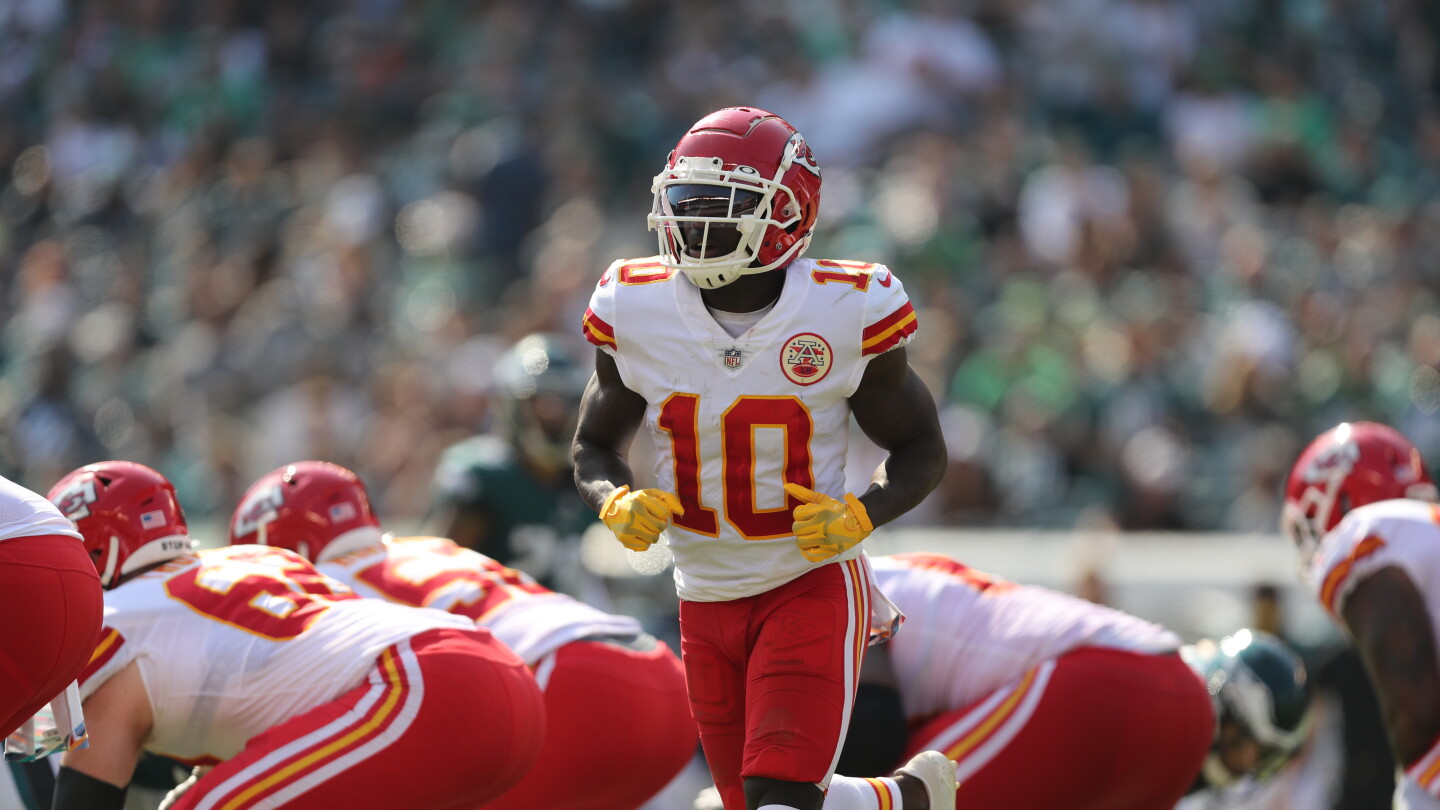
Tyreek Hill Personal Conduct Policy Investigation: What It Means
Tyreek Hill's return to the field may be nearing, but the NFL's active personal conduct review keeps the larger question alive. Availability, in this case, is about more than health.
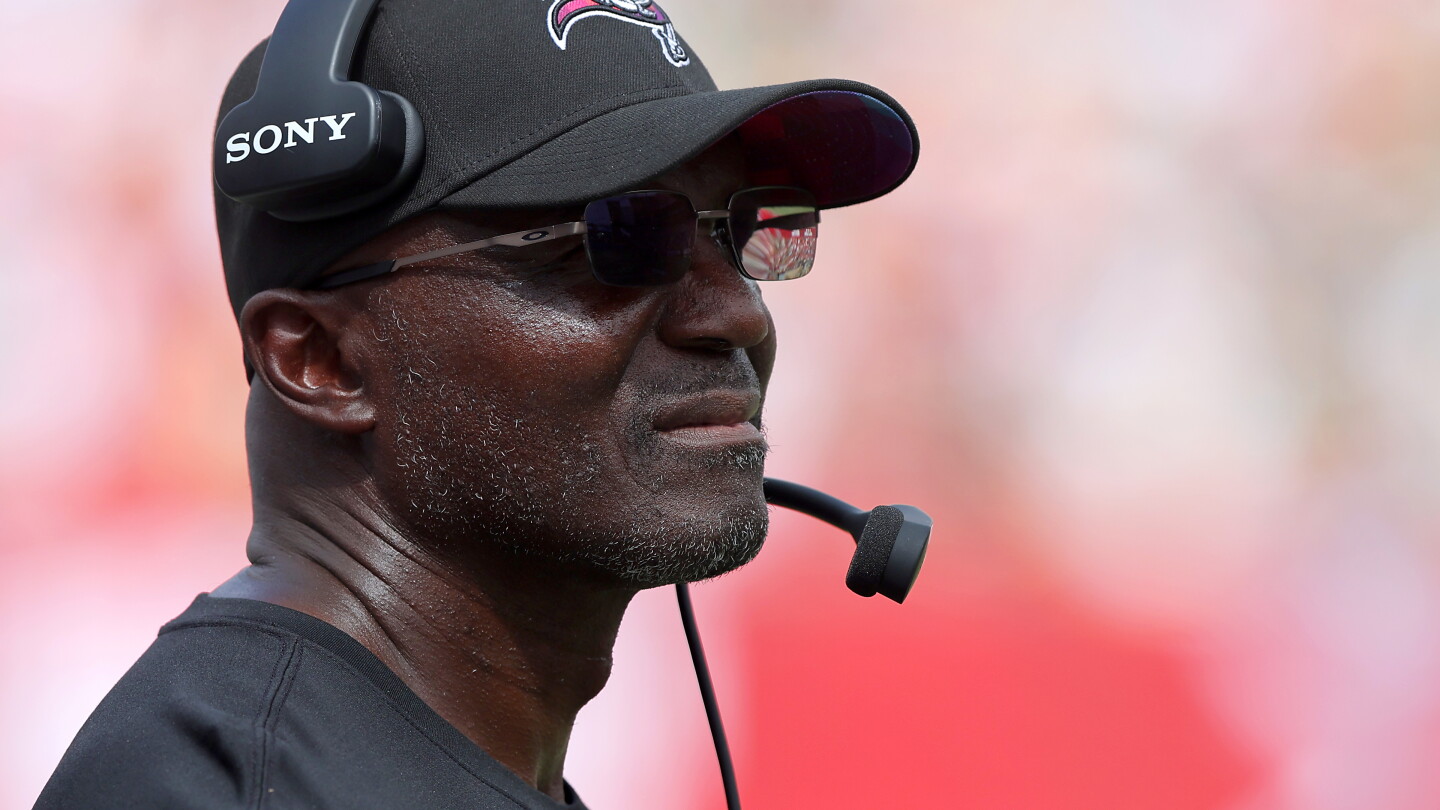
Buccaneers Coaching Change: Todd Bowles Is Running Out of Time
Tampa Bay’s season has gone sideways fast. The Buccaneers are 2-11 since starting 6-2, and Todd Bowles is staring at a brutal finish.