
Novak Djokovic US Open upset: first-round loss shocks Flushing
The curtain flickered on a legend’s night, and Mariano Navone didn’t blink.
 Zane Miller5 min read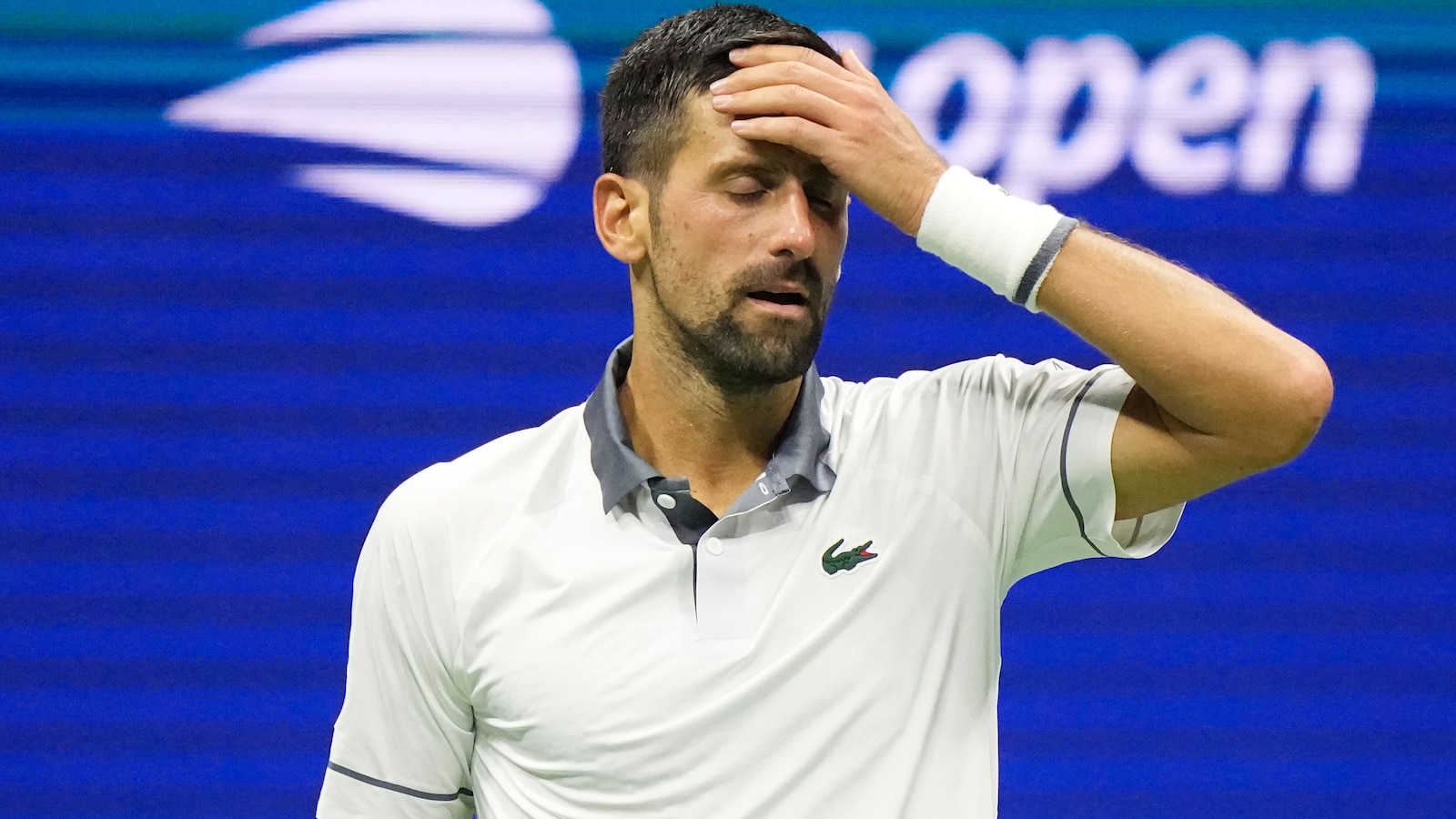
Novak Djokovic walked into Arthur Ashe Stadium with all the gravity that comes with a living tennis monument. He walked out with a first-round loss at the US Open) for the first time, and that’s the kind of result that hits louder than the scoreline itself. Mariano Navone didn’t just survive the moment. He dragged Djokovic into a match that felt physical, messy, and increasingly uncomfortable for the most decorated player in the sport.
This one had the look of a veteran trying to outlast his own body as much as the guy across the net. Djokovic was grinding through what the tip described as physical and internal ailments, and once a player at that level starts leaking mistakes, the whole match turns slippery fast. The younger opponent doesn’t need to be brilliant for long. He just needs to believe. Navone believed.
The margins vanished fast
Djokovic has built an entire career on shrinking matches to the smallest possible margin. He reads patterns better than almost anyone. He finds calm when the scoreboard starts humming. But in this match, the margins disappeared on him.
That’s the real story here. Not a bad night. Not one loose set. An opening-round exit at a Slam is a structural crack, not a bruise. It suggests the usual Djokovic problem-solving never fully kicked in, or couldn’t because the body wasn’t cooperating. Either way, the match stopped being about tactics and became about survival.
For Navone, that’s the opening young players dream about and almost never get. He had the nerve to keep hitting through the moment instead of shrinking from it. Against someone with Djokovic’s aura, that matters. Plenty of players beat themselves before the legend even has to do anything. Navone didn’t.
Arthur Ashe felt the pressure shift
There’s a specific type of tension in Flushing when a major upset starts to smell real. The crowd knows it. The favorite knows it. Every point gets heavier. And once Djokovic started making the kind of errors that usually belong to someone rushing, the match tilted.
This is where Novak Djokovic still changes the temperature of a tournament even in defeat. One loss doesn’t shrink the résumé. It does, however, change the conversation around what’s left in the tank. In tennis, the decline doesn’t arrive with a press release. It shows up in the legs, in the timing, in the body language after a long exchange. That’s what made this so loud.
When Djokovic loses early, the draw doesn’t open up quietly. It suddenly feels like somebody pulled the power cord.
And yes, the rest of the bracket notices. Seeded players don’t just want the name gone; they want the psychological fog gone too. Djokovic’s presence has a way of warping expectations. Remove him early, and the tournament’s entire ecosystem changes by dinner.
What this means for Djokovic’s Slam chase
This is where the big-picture math gets uncomfortable. Djokovic has spent years playing against time, schedule, and everybody else’s best tennis. That kind of track record creates an assumption that he will always find a level. But even legends eventually have to answer the same question the rest of the tour lives with: how much do the legs have left after the lights come on?
I’ve covered enough late-career turns to know this much: once a player starts losing these matches because the body won’t fully cooperate, the conversation shifts from form to function. Can he recover well enough between slams? Can he still absorb five-set pressure without the match unraveling? Can he keep turning difficult nights into victories instead of survivable memories?
That’s the hard edge here. Djokovic doesn’t just lose matches. He changes the standard. So when he loses a first-round Slam match, the sport has to recalibrate in real time. The next question is not whether he’s still elite. It’s whether elite still means the same thing in his case.
If you want a nearby parallel, look at what happens every time the men’s draw loses a giant early. The field gets louder, younger, and a little more reckless. That can be good for the tournament. It can also expose which contenders only looked comfortable because the mountain was standing in front of them. We saw a version of that dynamic in our Djokovic upset reaction coverage, and this result lives in that same space: not just a shock, but a line in the sand.
Navone’s win is bigger than one night
For Mariano Navone, this is the kind of victory that can reframe a season. Beating Djokovic in a major isn’t a random résumé line. It changes how other players see you, how the locker room talks about you, and how you see yourself when the next tight set starts.
You also have to respect the way he handled the stage. The lights at Arthur Ashe Stadium can swallow players whole. The noise, the history, the size of the moment — plenty of talented younger guys melt there. Navone didn’t. He kept his footing while Djokovic slipped.
That matters in the modern tour ecosystem, where belief travels fast and opportunities are earned in one or two headline nights. A player like Navone doesn’t need this to become a title story tomorrow. He needs it to become a baseline. Now he knows he can stare across the net at the biggest name in the sport and not flinch.
The bigger lesson for the ATP is obvious. The next generation doesn’t just want the door open. It wants to kick it in while the old guard is still standing there.
Djokovic’s run at this tournament ends before it ever really started. That alone is stunning. What comes next is the part everyone will be watching: how the body responds, how the schedule shifts, and whether this was a bad night or the first unmistakable sign of a new tennis order taking shape.
More from Straight From The Bench
Comments
Join the conversation — sign in to leave a comment.
Sign in to commentRelated Stories

Thea Frodin US Open: Teen Actress Turns Rising Tennis Story
Thea Frodin once portrayed a young Serena Williams on screen. Now the teenager steps into the US Open glow with a real career of her own to build.
Venus Williams US Open: 46-Year-Old Falls to Sofia Kenin
Venus Williams’ 26th US Open singles run ended in straight sets against Sofia Kenin after a brutal late start. The scoreboard says one thing; the larger story says plenty more.
Novak Djokovic US Open Upset: Mariano Navone Ends Streak
Novak Djokovic’s first-round US Open streak finally cracked, and Mariano Navone did it the hard way in five brutal sets. The body said enough before the match did.