
Novak Djokovic US Open Upset: Mariano Navone Ends Streak
The old master ran out of road, and the kid took the wheel in New York.
 Leo Lupo5 min read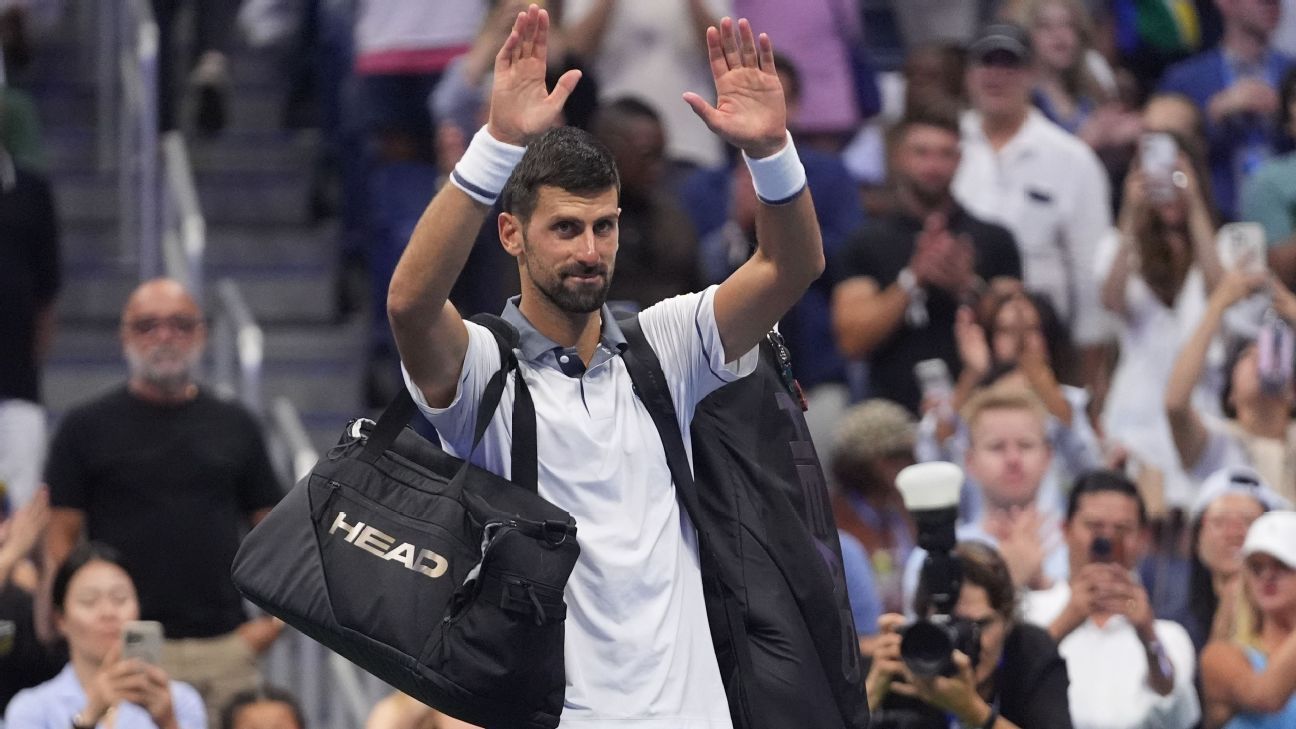
Djokovic’s night turned into a long, ugly grind
New York has seen plenty of strange things under the lights at Arthur Ashe Stadium, but this one had a particular sting. Novak Djokovic, still one of the sport’s great survival artists at 39, went out in the first round of the US Open) for the first time in his career, dropped by Mariano Navone in a five-set war that ran 4 hours, 36 minutes and left the champion-looking crowd rubbing its eyes.
The score told the story in hard, ugly chapters: 7-6 (5), 5-7, 4-6, 6-2, 6-1. That last pair of sets didn’t just say “upset.” They said wear and tear. They said the tank was empty and the younger legs knew it. Djokovic didn’t get mugged by a fluke. He got dragged into a long fight, made to feel every step, every swing, every tiny hesitation, and then the match slipped away from him like a bar of soap in a wet locker room.
Navone didn’t blink, and that’s the whole point
Give Navone his due. A lot of younger players roll into a court like this and spend the first set admiring the man on the other side of the net. Not this one. He kept asking questions, kept putting pressure on the legs, kept refusing to hand over cheap points. That matters against Djokovic, because the Serb has made a career out of collecting free gifts from nervous opponents and then turning those into broken spirits.
Navone didn’t play like a tourist. He played like a man who knew the door was cracked open and went right through it. He absorbed the early punches, weathered the middle part when Djokovic usually starts squeezing the life out of a match, and then finished with the kind of conviction that turns a nice night into a career line on the résumé.
Djokovic didn’t lose this one in a tiebreak. He lost it when the match turned into a test of legs, lungs, and stubbornness—and his body filed for early retirement.
The body finally collected its debt
We’ve been watching this act for years: Djokovic limps, grimaces, adjusts, gets treated like a boxer on the stool between rounds, and still somehow finds a way. Usually, the rest of the field blinks first. This time, he looked human in the oldest, least flattering sense of the word. One mistake became three. One heavy step became a missed ball. One set dropped, and then the whole thing started tilting.
That is the danger with age in tennis. It doesn’t arrive with a parade. It shows up in the fifth set when the forehand gets a little shorter and the recovery gets a little slower. You can borrow from the bank for a while. Eventually they want their money back, and the teller is standing there with a stopwatch.
Djokovic has spent a career surviving younger legs with cleaner minds. Novak Djokovic at his peak could turn a bruising match into a chess lesson. But the calendar is undefeated, and this one felt like a bill coming due. Not because he suddenly forgot how to play. Because the body does not care how many majors are in the trophy case.
What this means for the men’s draw, and for Djokovic’s place in it
This kind of loss doesn’t just change a bracket. It changes the air in the building. The top of the men’s game has been built around Djokovic’s presence for so long that everybody else has been forced to measure themselves against the idea of him, not just the player. Take him out early, and the draw starts looking less like a guarded fortress and more like an open street.
For the younger crowd, that’s permission. For the veterans, it’s warning. Nobody gets to hide behind the notion that Djokovic is waiting somewhere in the late rounds to clean up the mess. He’s gone. The path is different now.
And for Djokovic himself? The hard truth is this: every defeat like this raises the same old question in a sharper voice. Is there one more deep run left in the tank, or are we watching the last chapters of the greatest survival act tennis has ever produced? I’ve seen enough of these old warriors to know the answer is never neat. They don’t all leave at the same speed. Some drift. Some fight. Some win one more at a place nobody expects and then spend six months proving you wrong.
But I’ll tell you what this looked like from the press row cheap seats: it looked like the game catching him. Not beating him in spirit. Catching him in the body. There’s a difference, and tennis has always been cruel enough to make it plain.
The upset fits the open door the tour keeps leaving
The men’s game has been begging for disruption. Too many nights, too many tournaments, too many safe scripts. Djokovic usually ruins those scripts because he’s the best at making pressure look like routine. When he exits this early at a place where he had never lost in round one, it shakes the whole floor.
That doesn’t mean the tour suddenly has clarity. Tennis loves chaos right up until it needs a favorite, and then everyone starts hunting for the nearest suit of armor. Still, this is the kind of result that gives the rest of the field a jolt. Somebody just watched the biggest name in the sport get worn down and sent packing on a night when he was supposed to be the closer.
For fans who still file into these arenas hoping for a clean, polished coronation, sorry. Tennis does not owe anybody a tidy script. It hands you sweat, doubt, and a few bruises, and sometimes it takes the legend first.
The tournament keeps moving, because it always does. Djokovic doesn’t get a do-over. Navone gets the memory, the crowd noise, and a ranking line he’ll carry for a long time. The rest of the field just got a new message: the king is mortal, and New York noticed.
More from Straight From The Bench
Comments
Join the conversation — sign in to leave a comment.
Sign in to commentRelated Stories
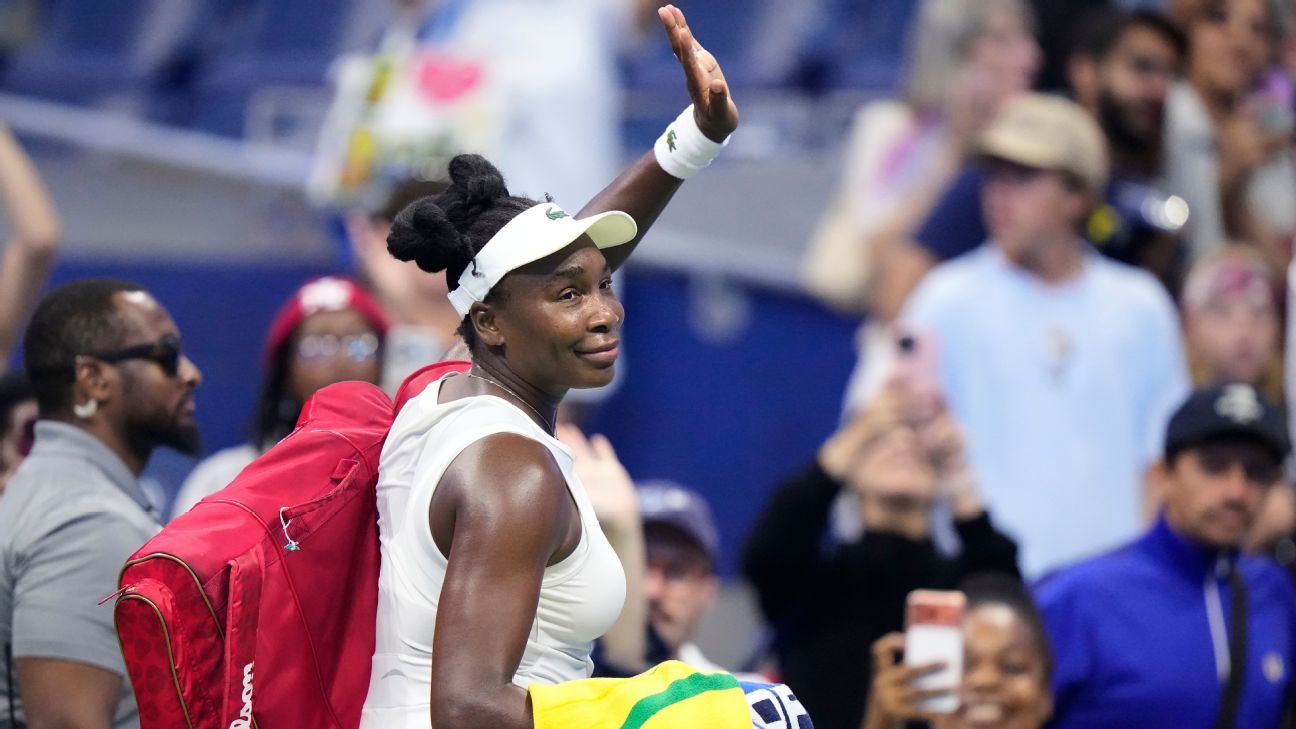
Venus Williams US Open: 46-Year-Old Falls to Sofia Kenin
Venus Williams’ 26th US Open singles run ended in straight sets against Sofia Kenin after a brutal late start. The scoreboard says one thing; the larger story says plenty more.
Roger Federer Hall of Fame Induction: Tears, Legacy, and Farewell
Federer’s Newport speech turned the polite old tennis ceremony into something raw. The cleanest player of his era wore his heart on his sleeve.
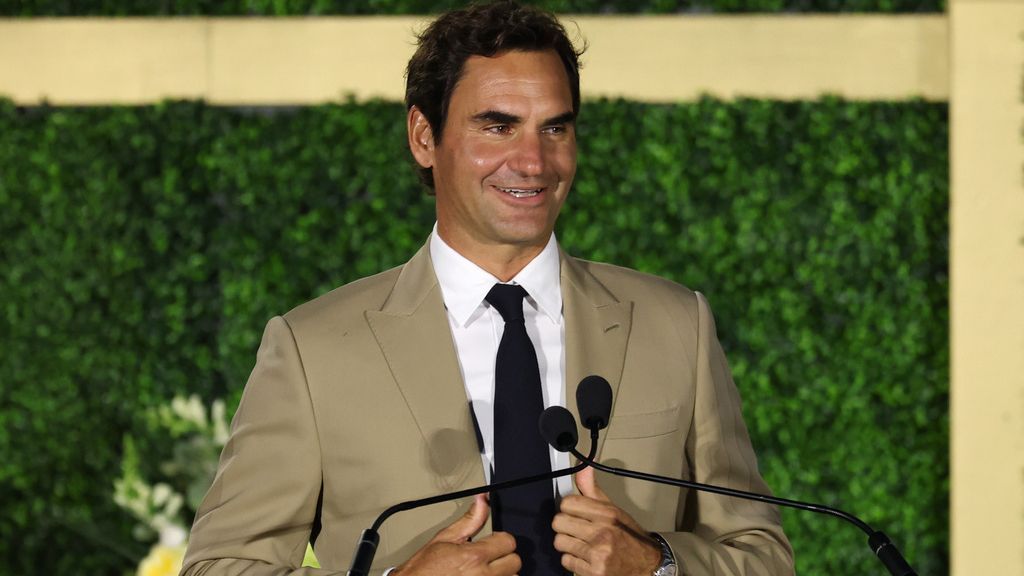
Roger Federer Hall of Fame Induction: Tears, Legacy, and Farewell
Federer’s Hall of Fame night in Newport was less a ceremony than a reckoning with a career that changed tennis’s grammar. The tears said what the trophies never could.