
Thea Frodin US Open: Teen Actress Turns Rising Tennis Story
From child star to clay-and-hard-court ambition, the path feels almost scripted — until the work begins.
 Beatrice Kensington5 min read
The first time Thea Frodin wore Serena Williams’ silhouette, it was under studio lights, inside the carefully framed emotional machinery of King Richard); now she arrives at the US Open with the far less forgiving light of competition waiting at the end of the tunnel. The story has a neatness to it that sports rarely allows: a teenager who once played the young version of an icon now trying to become a name worth learning for reasons that have nothing to do with casting.
That is the charm of it, and the danger. Tennis has a habit of turning symbolism into pressure, and pressure into a kind of public weather. Frodin is not Serena Williams, and nobody should ask her to be. But the comparison is already in the air because the game has always loved inheritance stories, especially when they involve American girls, bright futures, and the hard geometry of New York in late summer.
From movie set to tournament entrance
Frodin’s path is unusual enough to make people stop and look twice. Most teenage prospects do not enter the conversation with a film credit attached to one of the most famous athletes in the history of the sport. Yet that is where she stands: a player who once helped recreate Serena’s early life on screen and now tries to write her own version of that rise with a racquet in hand.
There is something almost old-fashioned about the idea, in the best way. Before the age of constant branding, before every promising junior had a social media chorus and a launch plan, talent was often discovered by the simple fact of whether a player could keep surviving the next match. Tennis still works that way, for all its gloss. The ball doesn’t care about your backstory.
And the Williams sisters remain the sport’s most potent shorthand for possibility and disruption. To be cast in that orbit, even as a child performer, is to be placed near a mythology that still shapes how American tennis imagines itself. Serena’s shadow is long. It is also heavy.
The weight of the Serena comparison
What makes this moment worth watching is not the novelty of Frodin’s past, but the way that past will shape the public’s appetite for her future. The tennis business is brutal in its simplifications. It wants the next Serena, the next Coco, the next American hope, the next reason to believe the pipeline still works. Young players are often sorted into fantasies before they have sorted out their own games.
That is where Frodin must be protected, if anyone around her is wise. A teenager’s development needs time to be slow, private, and occasionally ugly. The real work of becoming a pro is full of misfires: the service motion that comes and goes, the footwork that betrays nerves, the days when confidence evaporates in front of a court full of strangers. None of that fits into a clean promotional narrative.
The story is not that she once played Serena. The story is whether she can become herself without being crushed by the echo.
There is a reason tennis has produced so many cautionary tales alongside its prodigies. The sport rewards precision but punishes emotional exposure. On a hard court at the US Open, where noise and scrutiny arrive together, a young player’s identity can feel like another opponent across the net.
Why this matters beyond a neat headline
The deeper significance here is cultural. American women’s tennis has spent years searching for the next figure who can carry both results and relevance, someone who can stand in the center of the sport’s main stage and feel like more than a marketing idea. That search has often been treated as a race to replace Serena, which is its own kind of disappointment. Legends do not get replaced. They leave a standard behind.
Frodin’s presence at this event, then, is less about a direct line to Serena than it is about the continuing hunger for stars whose stories feel larger than the bracket. Tennis needs personalities, not just seeding positions. It needs players who can make fans care before the titles arrive. That is part of why the sport still leans so hard on legacy — the family names, the childhood footage, the origin stories that make each serve seem to carry a little more history.
I find myself resisting the urge to flatten her into a symbol. We do this to young athletes all the time, and we rarely admit how cruel it is. We want them to represent eras before they have had time to represent themselves. We make them carry the hopes of a sport that often fails to invest in its own future until the future is already on television.
And yet, I cannot ignore the broader signal here. If a teenager who once portrayed Serena in a film is now stepping toward her own US Open chapter, that suggests the sport still has room for narrative and novelty, for fresh faces that are not manufactured from a press release. It also suggests that tennis, for all its stiffness, remains one of the few sports where youth, poise, and imagination can still turn a name into a destination.
What to watch as Frodin’s real story begins
The next stage for Frodin will not be measured by resemblance. It will be measured by resilience. Can she hold her shape under the spotlight? Can she survive the first bad week, the first ugly loss, the first time people say her name with either too much hope or too much doubt?
That is where the real work starts. Not in the cast list. Not in the memory of a film set. In the repetition of training, the patience of development, the private discipline that no camera can capture and no legacy can provide.
If she grows into this stage on her own terms, the sport will gain something rare: not another Serena, but a player with the courage to step out from the shadow and stand in her own light.
The Open will do what it always does. It will test the nerve, strip away the polish, and leave only the game. Frodin’s future begins there.
More from Straight From The Bench
Comments
Join the conversation — sign in to leave a comment.
Sign in to commentRelated Stories
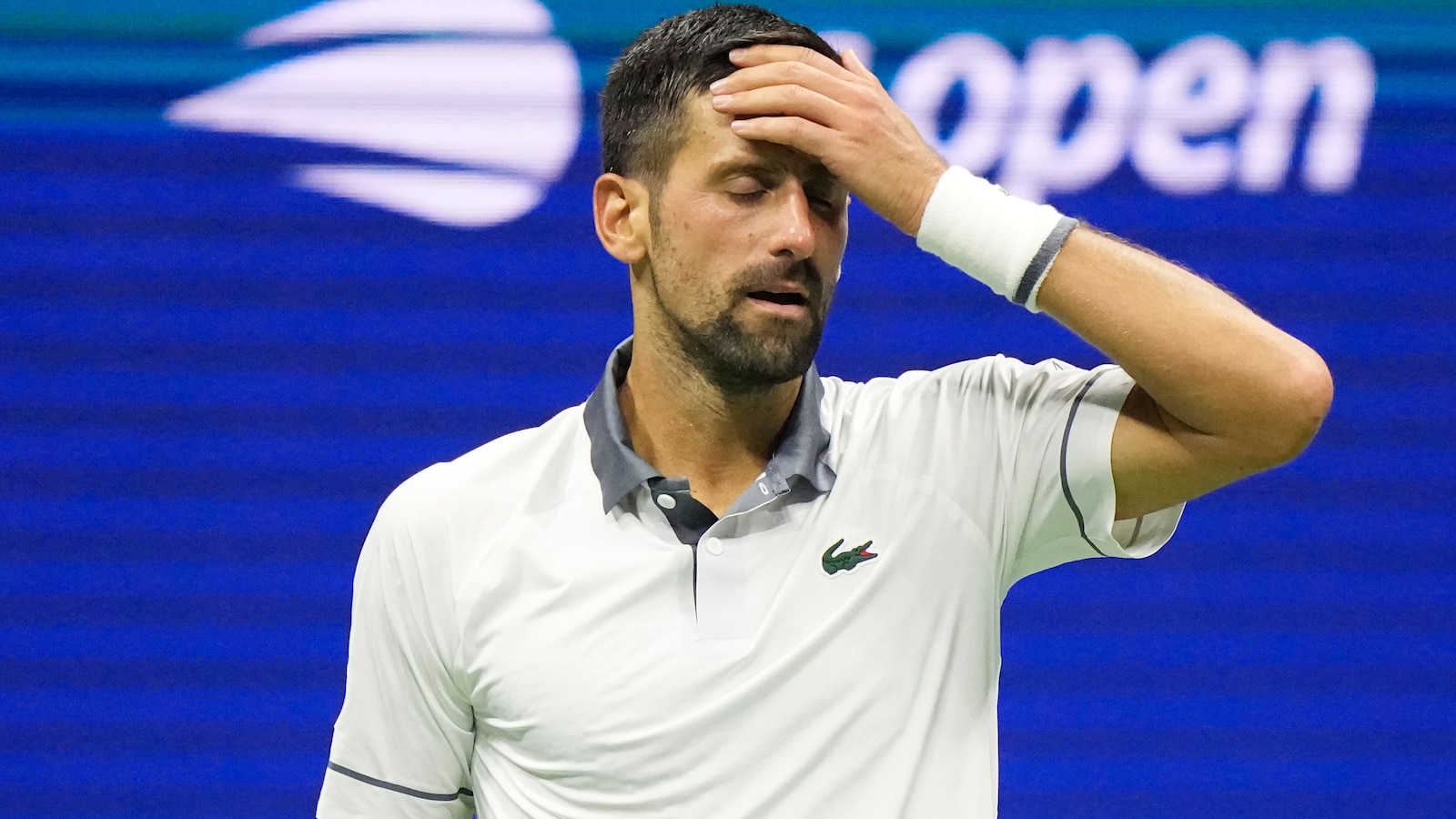
Novak Djokovic US Open upset: first-round loss shocks Flushing
Djokovic’s opening-round exit wasn’t just a loss. It was a reminder that age, wear, and pressure don’t care about résumés.
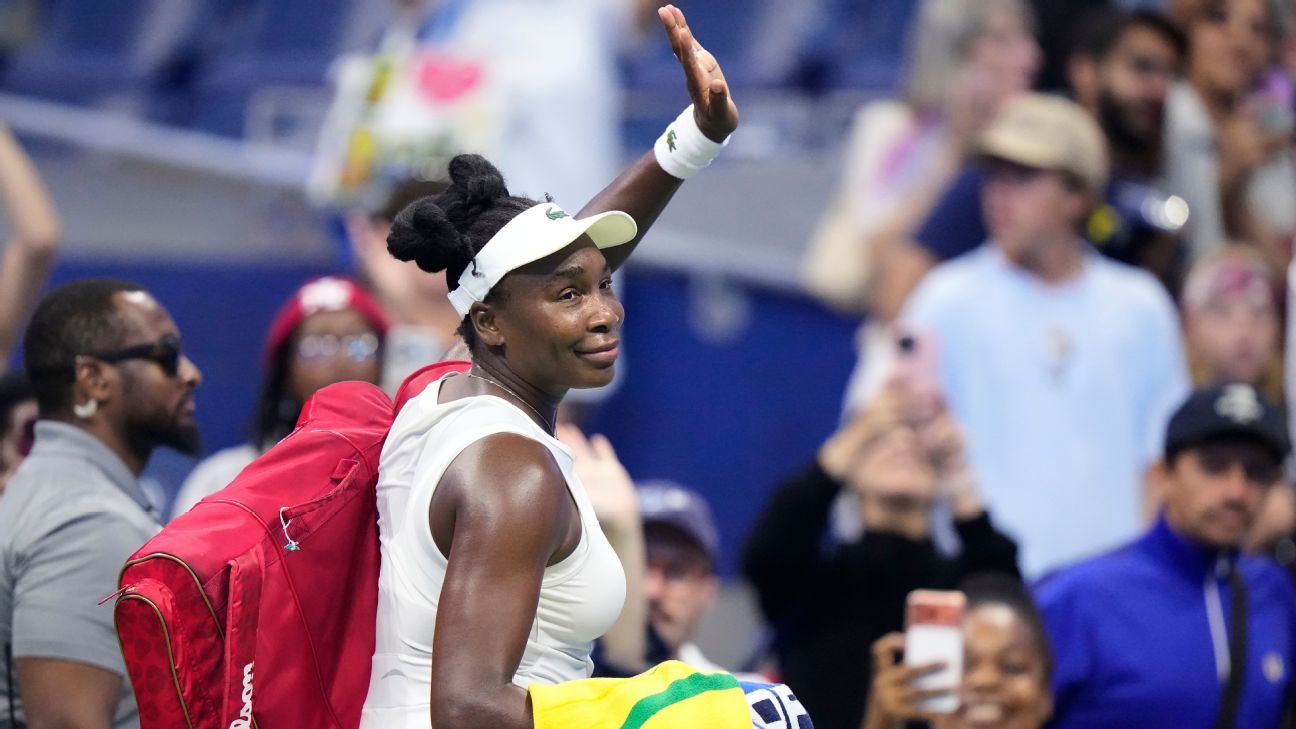
Venus Williams US Open: 46-Year-Old Falls to Sofia Kenin
Venus Williams’ 26th US Open singles run ended in straight sets against Sofia Kenin after a brutal late start. The scoreboard says one thing; the larger story says plenty more.
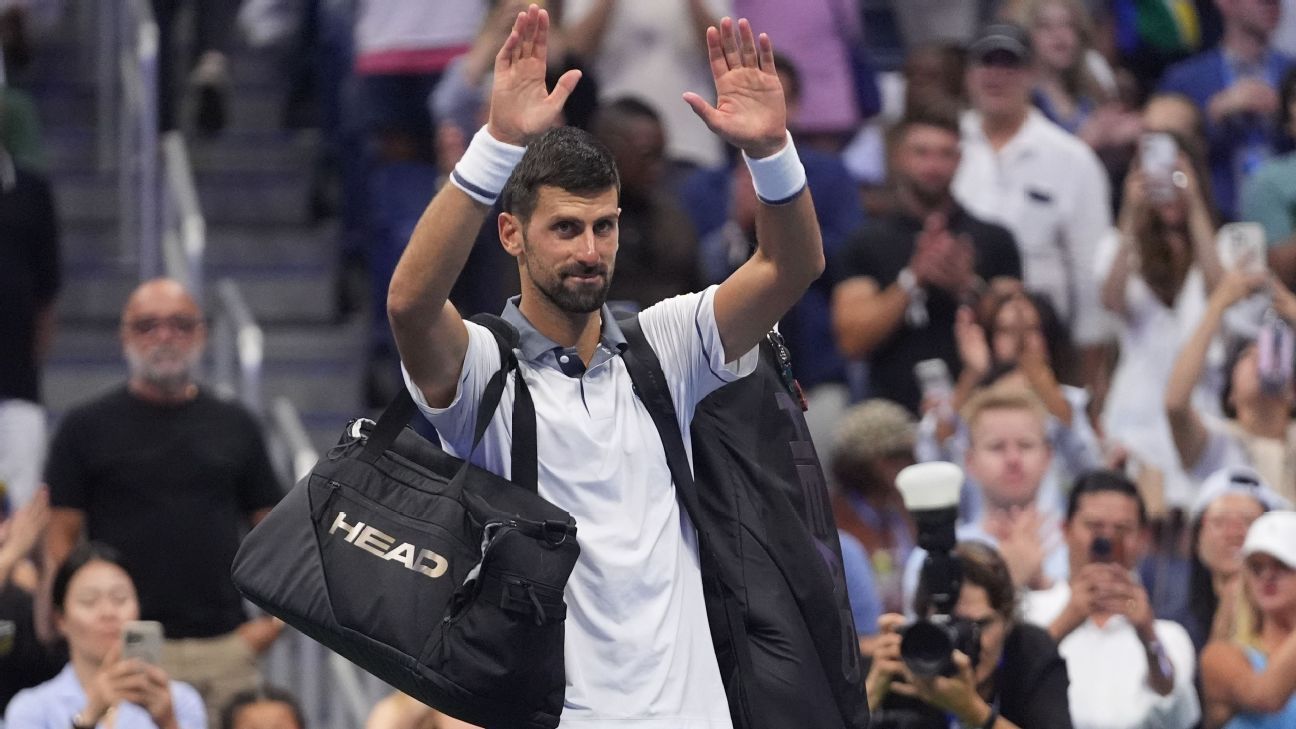
Novak Djokovic US Open Upset: Mariano Navone Ends Streak
Novak Djokovic’s first-round US Open streak finally cracked, and Mariano Navone did it the hard way in five brutal sets. The body said enough before the match did.