
Ole Miss FBI Sweep After Lane Kiffin Exit: The Mess in Oxford
When a coach bolts, trust gets bruised—and somebody starts looking for bugs.
 Leo Lupo6 min read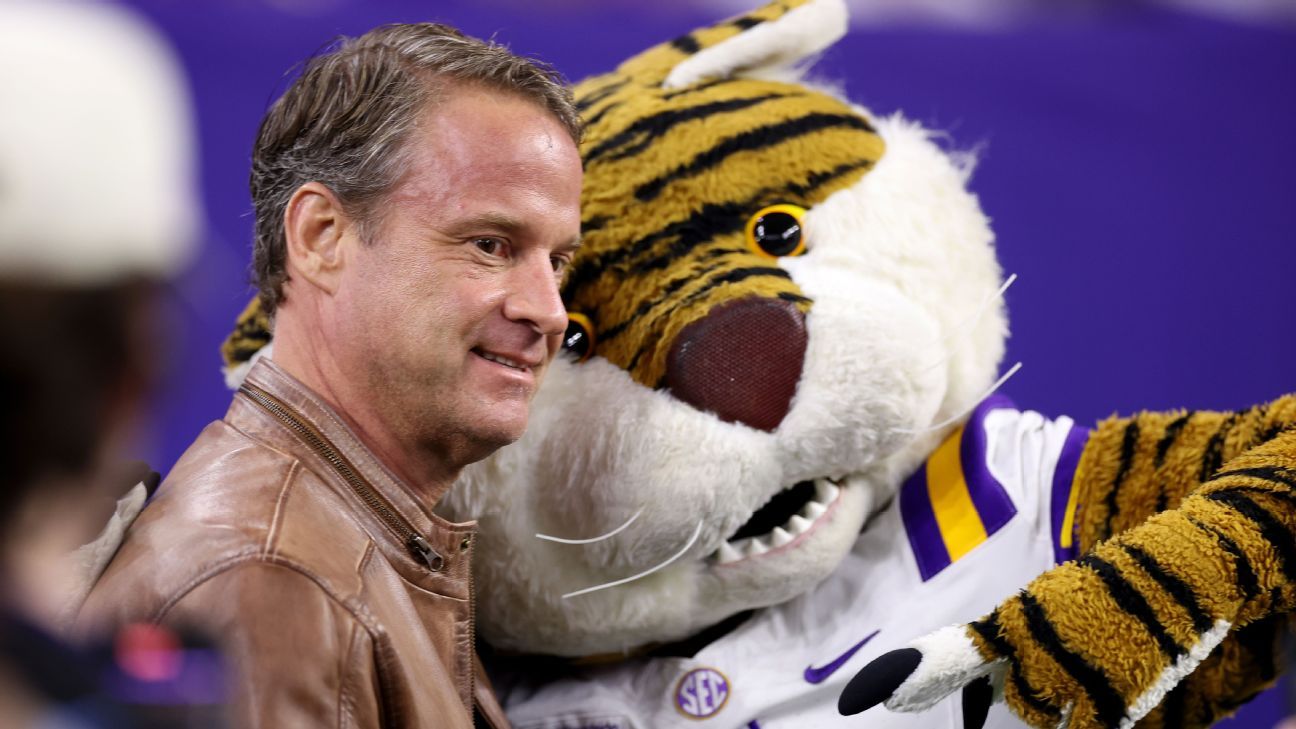
Ole Miss didn’t just lose a head coach. It apparently lost its peace of mind, too. When the FBI gets called in to sweep a football office for recording devices after a staff shakeup, you’re no longer talking about a clean divorce. You’re talking about a program that thinks somebody might still be listening through the walls.
That’s the kind of mess that sticks to a place. Lane Kiffin leaving for LSU was always going to leave scorch marks, because this is the SEC and nobody exits a rivalry move like that with a handshake and a baked ziti recipe. But a federal sweep? That pushes the story from ordinary coaching betrayal into something uglier: suspicion, paranoia, and a whole lot of people wondering who knew what, and when.
A coaching exit that left more than hurt feelings
Kiffin’s jump from Ole Miss to LSU was already the sort of move that sends coffee cups flying across offices from Oxford to Baton Rouge. Rival schools can stomach a lot. They understand poaching. They understand promises that age like milk. What they don’t love is the lingering sense that one side may have walked out with a little too much institutional knowledge in its pocket.
That’s why the alleged FBI sweep matters. It suggests the folks around Ole Miss weren’t treating this like a simple staffing change. They were worried about privacy, about internal conversations, maybe about who might have had access to what during the handoff. In the modern college football arms race, the coach isn’t just the coach. He’s the CEO, the rainmaker, the brand, and sometimes the guy with the keys to every locked drawer.
The old days, you lost a coach and ate the bad blood. Now you lose him and start checking the office for microphones like you’re in a spy picture with better uniforms.
NIL collectives, power moves, and the new paranoia
This story doesn’t live in a vacuum. It sits right in the middle of the new college football machine, where NIL collectives, boosters, agents, and staffers all orbit the same money-and-power cloud. Ole Miss has been in that storm like everybody else, and the executive director of the NIL collective saying the FBI searched for recording devices tells you the level of distrust had gotten unusually high.
That’s the part fans should pay attention to. It’s not just about Lane Kiffin. It’s about how fragile these programs are when so much of the operation is built on personal relationships, text threads, and handshake promises from people who are always one better job away from leaving town.
You want a clean, corporate model? College football laughs at you and asks for a donor lunch.
The bigger problem is that the sport has spent years pretending it can run like a business while keeping the old boys’ club habits. That combination produces this exact kind of chaos: everyone is selling, everybody is listening, and nobody fully trusts the room once the money gets serious.
In modern college football, the goodbye isn’t the scandal. The paranoia after the goodbye is.
Why the FBI detail changes the temperature
There’s a difference between gossip and a federal agency showing up in the background of your football program. The FBI doesn’t enter the picture because somebody had a bad mood and a loud exit interview. If this report is accurate, somebody at Ole Miss believed there was enough concern to ask for outside eyes on the office. That’s a big, heavy hammer.
Now, does that prove wrongdoing? No. It proves suspicion. And suspicion is enough to poison a program for a while, because every staff meeting after that gets a little tighter, every hallway conversation gets a little quieter, and every rival fan gets a fresh load of ammunition.
It also tells you how far college football has drifted from the naive talk of “family.” Families don’t usually call in federal agents to check the walls after dad leaves for a bigger job. Athletic departments do that when they think the stakes are high enough and the trust is low enough.
Leo’s take: this is what happens when the sport runs on desperation
I’ve watched enough of these coaching exits to know the pattern. First comes the shock. Then the denial. Then the rumors, the deleted texts, the “sources close to the situation” routine. After that, if the wound is deep enough, you start getting the cleanup crew and the blame game. This one’s different because it sounds like Ole Miss went from anger to counterintelligence.
And I’ll tell you plain: that’s where college football is headed if it keeps paying people like Wall Street and asking them to behave like Sunday-school teachers. You build a market around loyalty, then hand everyone a briefcase and a plane ticket, and act surprised when somebody tries to protect their turf. Lane Kiffin has always been a sharp football mind and a sharp elbow. That combination wins games and leaves bruises.
The Rebels now have a larger problem than who calls plays on Saturdays. They have to convince players, recruits, donors, and staff that the place is still steady enough to trust. Good luck with that if the story around the office is bugs, searches, and rivals sniffing around the walls. Once that smell gets in the carpet, you don’t clean it with a press release.
What Ole Miss has to fix next
The first job is obvious: stabilize the building. Not the depth chart, the building. People inside the program need to know who is in charge, what changed, and what the boundaries are now. If there was a legitimate security concern, then it needs to be handled fast and clean. If this was overreaction, then they need to say less and act smarter.
Second, Ole Miss has to keep the football side from turning into a soap opera. Rival coaches will use this. Recruits will hear about it. Parents will hear about it. And the minute a program starts feeling unstable, everybody from the SEC West to the transfer portal circles like it smells blood.
The Rebels have talent to sell and a brand that can still draw interest. But trust is a fragile thing in this era. Lose a coach, you can replace him. Lose credibility, and you spend a season or two trying to buy it back.
This one isn’t over just because the move is official. It’s just getting started, and Oxford better hope the next headlines are about football, not fingerprints on the glass.
More from Straight From The Bench
Comments
Join the conversation — sign in to leave a comment.
Sign in to commentRelated Stories

Dae’Quan Wright LSU Transfer: Browns Waive Tight End
Dae’Quan Wright is headed from the Browns to LSU, a move that would have sounded illegal five years ago. It’s a small transaction with a loud meaning.
Bill Belichick fifth-year players: college football’s next loophole
Belichick is sniffing around the fifth-year door in college football. If schools start treating extra eligibility like spare parts, the roster game changes fast.

Mark Mitchell Kentucky Commitment: Pope's Frontcourt Gets Teeth
Mark Mitchell's commitment gives Kentucky a sturdier, meaner front line and sharpens the Wildcats' March ambitions. Mark Pope is building size, skill and real pressure.