
Enes Kanter Freedom WNBA Eligibility: league stance takes shape
He’s not getting a roster spot. The real question is how hard the league wants to draw the line.
 Zane Miller5 min read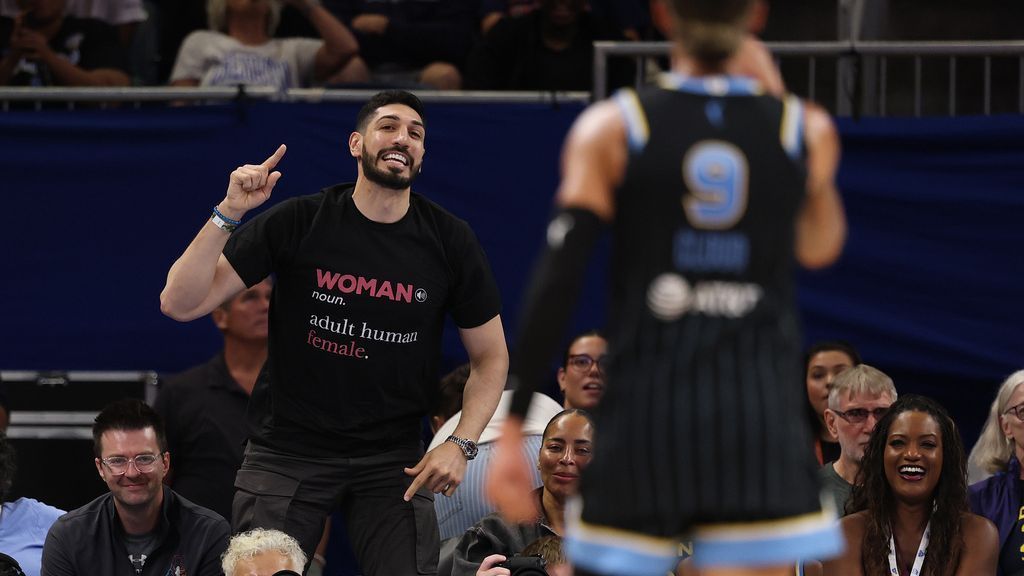
The WNBA just sent a message without sending a press release. Enes Kanter Freedom is not eligible to play in the league, and that part looks settled. The bigger wrinkle is the arena piece: no league-wide ban has been announced, even after Sunday’s ejection from Wintrust Arena in Chicago.
That split matters. In a league that guards access, optics, and player safety with a tighter hand than almost any pro sports property in America, the difference between “not eligible to play” and “not welcome in the building” is not small. It’s the difference between roster rules and discipline. It’s also the difference between a basketball issue and a broader brand issue.
The roster part is the easy answer
Let’s start with the cleanest lane. The WNBA is a playing league. Eligibility is eligibility. If a former NBA player is not eligible under league rules, then the basketball decision is pretty straightforward. There’s no mystery box here, no loophole hunt, no secret path through training camp and a lucky break.
That part aligns with how executives think. Teams protect roster spots like real estate. Every slot has value, especially now, when the league is deepening talent, expanding visibility, and becoming far more selective about who actually belongs in the pipeline. If a player doesn’t fit the entry rules, the conversation ends there.
What makes this news more combustible is that Kanter Freedom is not being discussed here as a basketball fit issue alone. He is a public figure first, a basketball name second. That changes how every arena decision gets processed in real time.
Why the arena question is the real story
A league can shrug off a no-eligibility ruling. It cannot shrug off repeated disruptions in public venues.
Arena access is about conduct, security, and control. Once a person gets ejected from a building, the next question is not “Can he play?” It’s “Can he return?” Those are separate lanes, and the WNBA appears to be treating them that way — at least for now.
That’s a smart move. Overreact too fast and you turn a single incident into a bigger news cycle. Stay too loose and you invite every attention-seeker with a camera and a cause to treat the league like a stage.
The league has already spent years building a stronger identity around competition, player empowerment, and institutional seriousness. This is the sort of moment where that credibility gets tested. If the front office starts making decisions that look emotional, the league loses the steady hand it’s worked hard to project.
The WNBA can draw a firm line on eligibility without turning every arena into a political battleground.
What this says about modern league discipline
This is where the whole thing stops being one incident and starts looking like a case study.
Leagues today don’t just manage players. They manage friction. They manage access. They manage the gap between someone’s right to show up and everyone else’s right to have a normal event. That’s why security protocols have become such a huge part of professional sports operations, even when fans barely notice them.
The WNBA has to be careful not to set a precedent it doesn’t want. If it treats every off-court appearance like a referendum, it hands disruptive personalities the exact leverage they want. If it ignores the issue entirely, it risks looking passive.
So the likely path is the boring one, which is usually the correct one: no playing status, case-by-case arena decisions, and no public overcommitment unless the next incident forces it.
The optics matter for a league still building its national power
There’s also a marketing layer here. The WNBA is in a different place than it was even a few years ago. More attention. Bigger audiences. Sharper scrutiny. More people with opinions about everything from officiating to media treatment to security lines.
That means every small controversy can get inflated fast.
The league does not need a self-inflicted distraction. It needs calm, predictable enforcement. It needs to keep the focus on the actual product — stars, rivalries, ticket demand, and the continued rise of the league’s profile. Anything that pulls the conversation away from that is a tax.
If you want the larger context, look at how other leagues handle boundary disputes. The NFL and NBA have both learned, sometimes the hard way, that inconsistency is poison. Once the public senses a rule is being applied by vibe, not policy, the whole thing starts to wobble. We’ve seen versions of that tension across the sports landscape, from roster decisions to security controversies to public conduct issues. Our recent look at Patriots depth and roster pressure had the same core lesson: teams want control, not chaos.
My read: the league is trying not to overplay its hand
Here’s the part that jumps out to me.
The WNBA seems to be separating the basketball question from the arena question on purpose. That usually means the league understands the legal and PR terrain well enough to avoid a clumsy overstatement. Smart. Very smart.
I’ve covered enough of these situations to know the instinct in sports headquarters is often to slam the door shut and issue a statement that feels tough for six hours and expensive for six weeks. The better move is restraint. Let eligibility rules do their job. Let security do its job. Don’t turn a single ejection into a manufactured leaguewide referendum.
There’s also a historical echo here. Big leagues always get tested by people who want the platform more than the competition. The strongest response is usually the least theatrical one. Quiet enforcement. Consistent boundaries. No free oxygen.
The other thing worth watching: whether this incident becomes part of a broader conversation around arena access and public conduct, or whether it gets handled as a one-off. If the league keeps it narrow, this fades. If it widens, then every future appearance gets louder.
For now, the basketball answer is already in. The building answer is still being shaped. That’s the part to watch next, because the WNBA is clearly trying to keep this from becoming bigger than it needs to be.
The next move won’t come from a jersey. It’ll come from a policy line.
More from Straight From The Bench
Comments
Join the conversation — sign in to leave a comment.
Sign in to commentRelated Stories
Humanoid Robot Sprint Record: Bolt’s Mark Meets Beijing’s Future
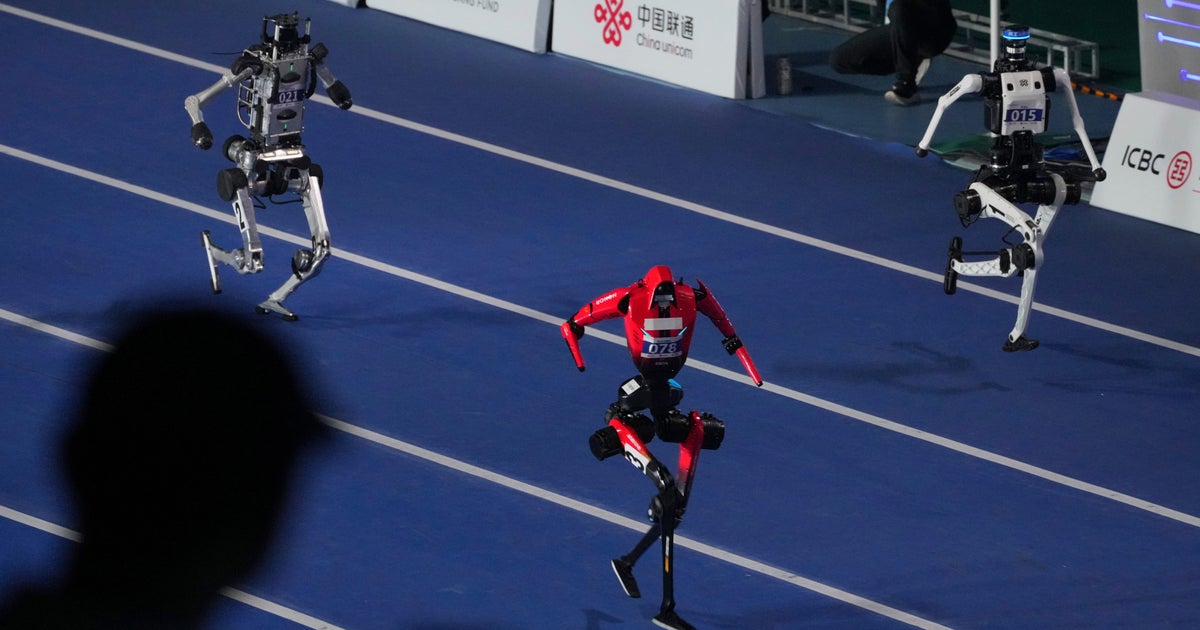
A humanoid robot has outrun history in Beijing, nudging Usain Bolt’s great 100-meter standard into a new, unsettling frame. The race is no longer only about speed; it is about what we choose to admire
Enes Kanter Freedom Ejection: Natasha Cloud Altercation Shakes WNBA
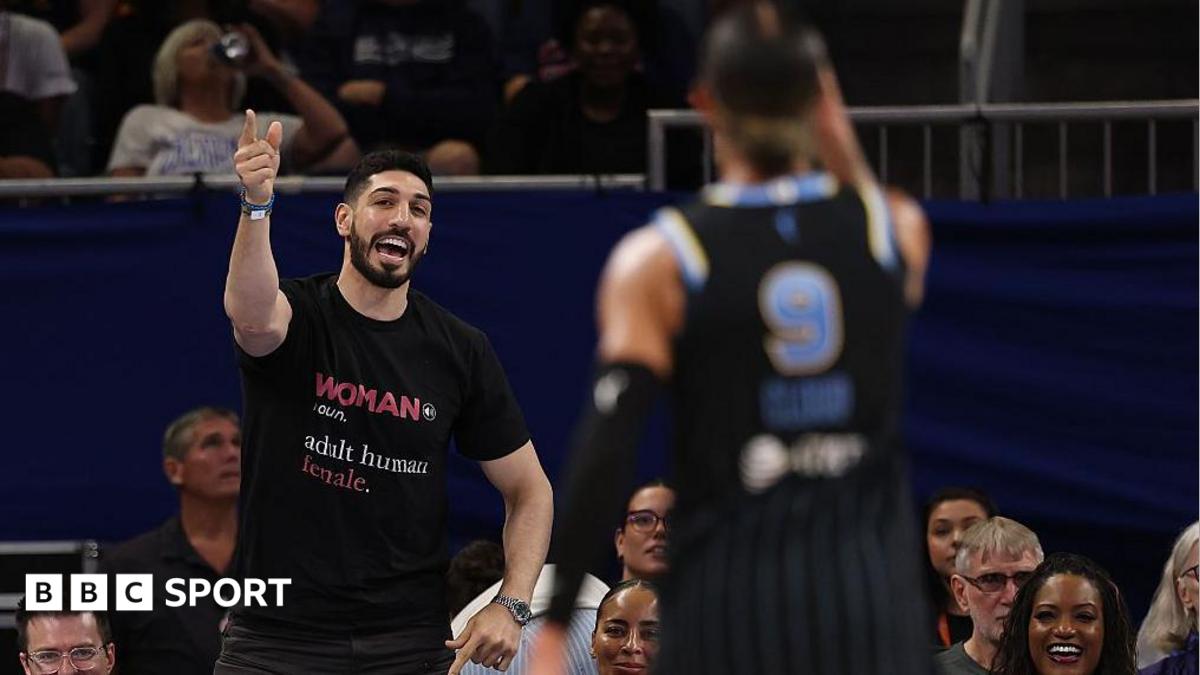
Enes Kanter Freedom’s ejection after a verbal exchange with Natasha Cloud added an unwelcome edge to Chicago Sky–Indiana Fever. The incident says as much about modern sports theater as it does about t
Enes Kanter Freedom ejection: Natasha Cloud confrontation explained
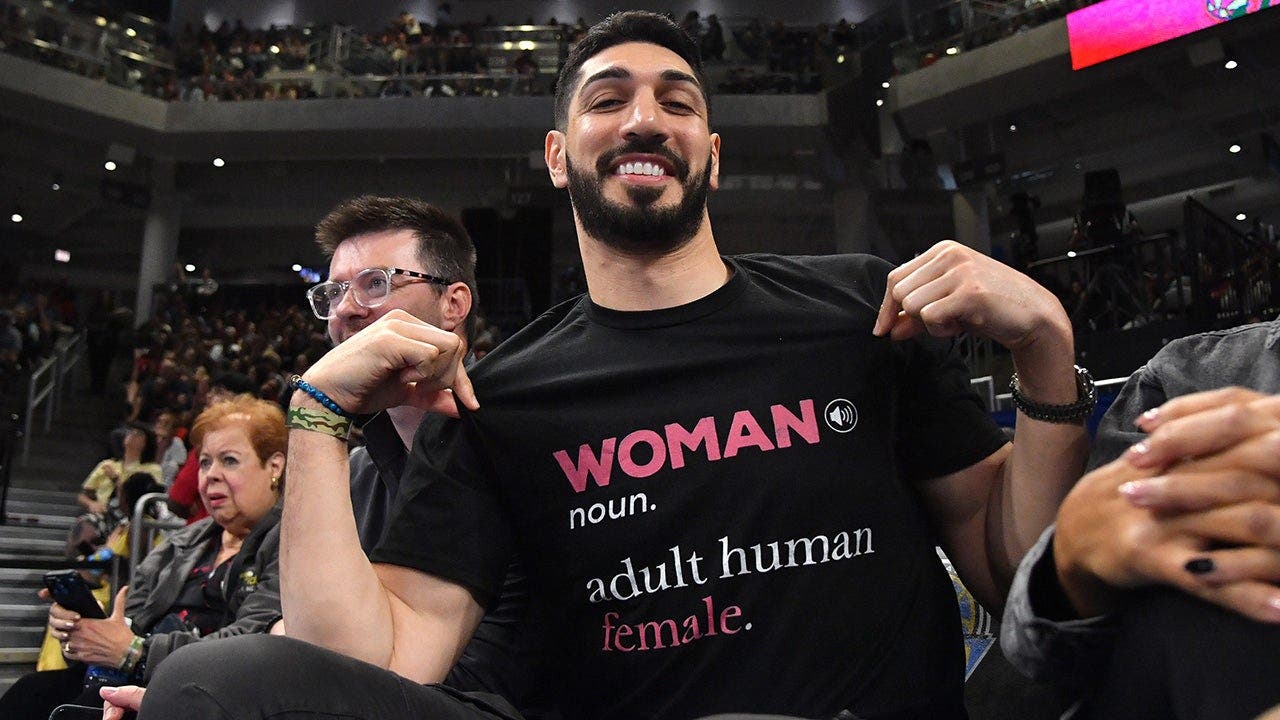
Enes Kanter Freedom says a courtside confrontation with Natasha Cloud led to his ejection at a Chicago Sky game. The moment says as much about arena control as it does about the noise around this spor