
Enes Kanter Freedom Ejection: Natasha Cloud Altercation Shakes WNBA
A sideline flare-up turned a regular-season night into a reminder that women’s basketball is now a public arena.
 Beatrice Kensington6 min read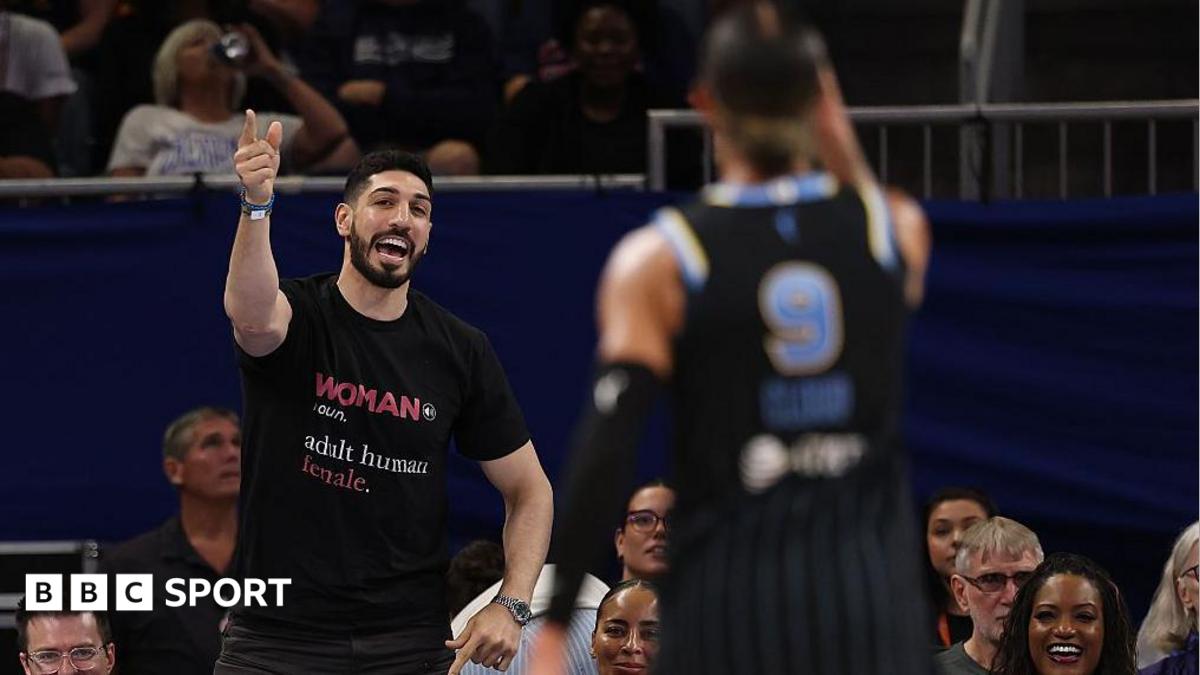
The night should have belonged to the basketball, or at least to the young, noisy urgency that follows the WNBA wherever it goes these days. Instead, the evening tilted on a small, ugly spark: Enes Kanter Freedom being ejected after a verbal altercation with Natasha Cloud during the Chicago Sky’s meeting with the Indiana Fever. It was not a collision of bodies that stopped play. It was something less visible and, in some ways, more revealing — the kind of sideline confrontation that exposes how crowded, charged and watched this league has become.
A moment that belonged to the crowd, not the box score
There is a particular helplessness to these scenes. The ball is moving, the score is changing, and then all at once the human temperature rises above the game’s prescribed limits. An ejection arrives like a slammed door. The officials do what officials do. The arena tightens. And the night, which had promised a clean sporting contest, starts carrying the heavier freight of interruption and reaction.
That is what made the incident feel bigger than the individuals involved. Not because the altercation itself was monumental — it wasn’t, at least not in the way a playoff fight or a season-defining scandal is monumental — but because it played out inside a league that has become one of the most intensely scrutinized stages in American sports. Every gesture now lives in public, every stare can be turned into a clip, and every sideline exchange risks becoming a referendum on tone, intent and respect.
The Chicago Sky and Indiana Fever did not need extra theater to draw attention. The Fever, with their magnetism and following, already guarantee a large audience. The Sky, with Natasha Cloud in the middle of the story, bring their own hard-edged identity. Put that in a building, add the modern appetite for confrontation, and a routine night can start to feel like a pressure chamber.
In a league fighting to be taken seriously on its own terms, sideline noise should not get to rewrite the night — but too often, it does.
Natasha Cloud, Enes Kanter Freedom and the politics of proximity
Cloud is not the sort of player who drifts through a game unnoticed. She has long carried herself like someone who understands that women’s basketball is still forced to defend its own gravity, possession by possession, season by season. Her presence tends to sharpen the atmosphere. That is not a criticism. It is part of her value.
Kanter Freedom, meanwhile, arrives with a different kind of public history, one that has often placed him at the intersection of sport and politics. That matters here, because not every verbal altercation is merely personal once the cameras are rolling and the arena is full. Some figures come preloaded with meaning, and meaning changes the way a crowd hears even a stray comment. The league, whether it wants this burden or not, has become a place where outside identities travel with the people attached to them.
This is why the ejection lands as more than a simple disciplinary footnote. It reminds us that women’s basketball is no longer living in the shadows where a disturbance might vanish by the next morning. This is a league now watched with the same appetite once reserved for the bigger American properties, and sometimes with a more restless gaze. That attention is a blessing and a trap. It brings scale. It also brings amplification.
For those interested in how quickly one incident can change the mood around a team or a player, the broader lesson rhymes with what we have seen in other corners of the sports landscape, including the roster scrutiny and emotional fallout that can accompany any public friction — the sort of pressure that has driven storylines like /news/mike-vrabel-patriots-depth-comments-the-truth-behind-the-roster and /news/premier-league-opening-weekend-winners-losers-and-warning-signs. Different sports, same truth: once the temperature rises, everybody’s priorities are exposed.
The larger cost for the league’s image
There is no need to pretend this sort of moment is harmless entertainment. It can be entertaining, yes, in the way any rupture draws the eye. But leagues also know that images travel farther than explanations. A confrontation becomes a headline. A headline becomes a talking point. A talking point hardens into a story about the sport itself, even if the sport had nothing to do with the original spark.
That is the delicate matter here. The WNBA has spent years fighting for legitimacy, better coverage, larger crowds, and a broader public imagination. It has earned real momentum, not borrowed hype. But momentum is fragile. When a non-basketball flashpoint erupts inside a game, it gives skeptics the old ammunition: the claim that the action is never just the action, that the event is always being pulled sideways by something else.
I do not buy that argument, not really. I think it is a lazy way of refusing to see what is in front of you. The league’s popularity does not depend on serenity; it depends on compelling players, real rivalries, and the sense that every possession matters. Still, the people stewarding this growth must understand that attention is a fire that warms and burns in equal measure. Keep feeding it with spectacle that has little to do with basketball, and eventually the sport itself gets obscured in the smoke.
What to watch after the dust settles
The practical next step is straightforward: the league will move on, perhaps with a fine, perhaps with a quiet internal conversation, perhaps with nothing visible at all beyond the memory of the ejection. But the reputational afterimage will linger longer than the official response. That is how modern sports works. The clip outlives the explanation.
What matters next is whether the incident becomes a one-night detour or part of a pattern of heightened friction around high-profile games. The Fever draw enormous attention wherever they go. The Sky, too, are now part of a national conversation that no longer fits neatly into the old margins of coverage. Every stoppage, every stare-down, every push and shove is freighted with the possibility of becoming symbolic.
Bea’s view is simple: the league should not apologize for intensity, because intensity is often the proof that the product matters. But it should guard carefully against becoming hostage to peripheral drama. The best nights in sports are the ones where the crowd leaves arguing about a rotation, a late-clock read, a defensive gamble. Not the ones where the aftertaste comes from a verbal flare-up that never needed to happen in the first place.
There will be another game soon enough. The ball will bounce again. And the league will hope, with reason, that the next story belongs to the players who came to play.
More from Straight From The Bench
Comments
Join the conversation — sign in to leave a comment.
Sign in to commentRelated Stories
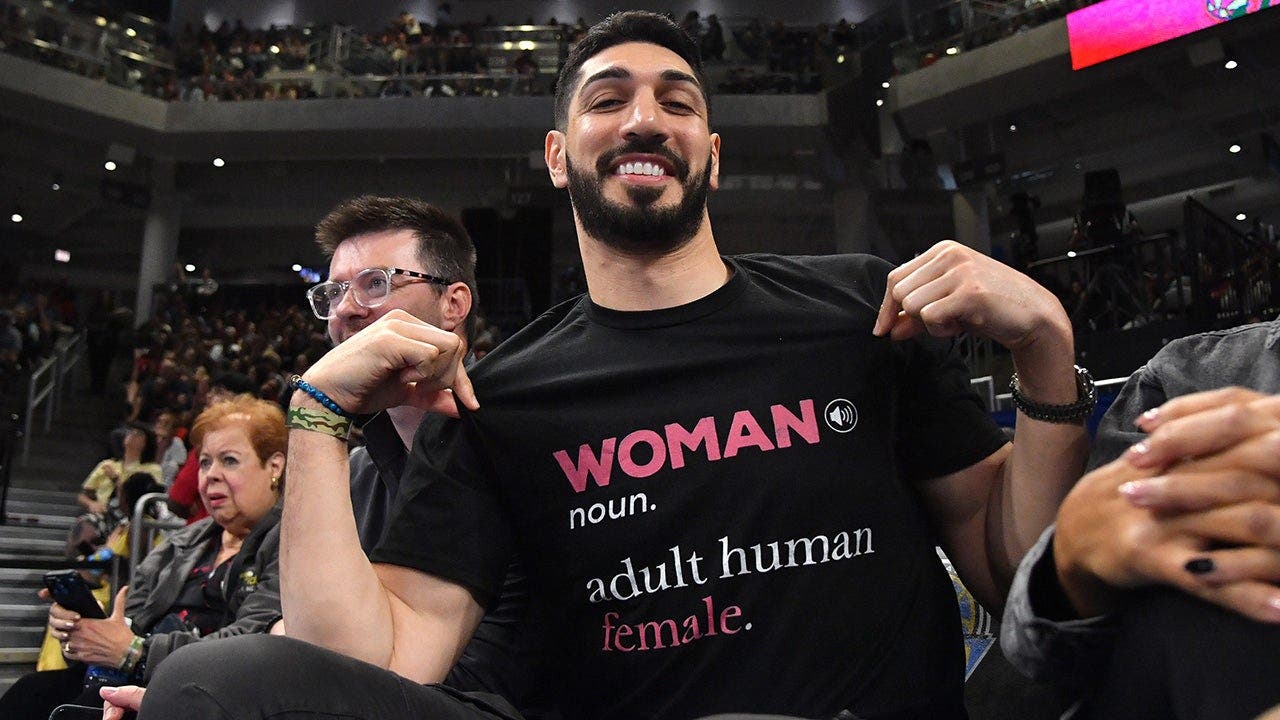
Enes Kanter Freedom ejection: Natasha Cloud confrontation explained
Enes Kanter Freedom says a courtside confrontation with Natasha Cloud led to his ejection at a Chicago Sky game. The moment says as much about arena control as it does about the noise around this spor

Caitlin Clark Scores 37: Fever Blow Past Sky 113-90
Clark lit it up for 37, Mitchell poured in 30, and Indiana ran Chicago out of the gym. The Fever are starting to look like a problem nobody wants twice.
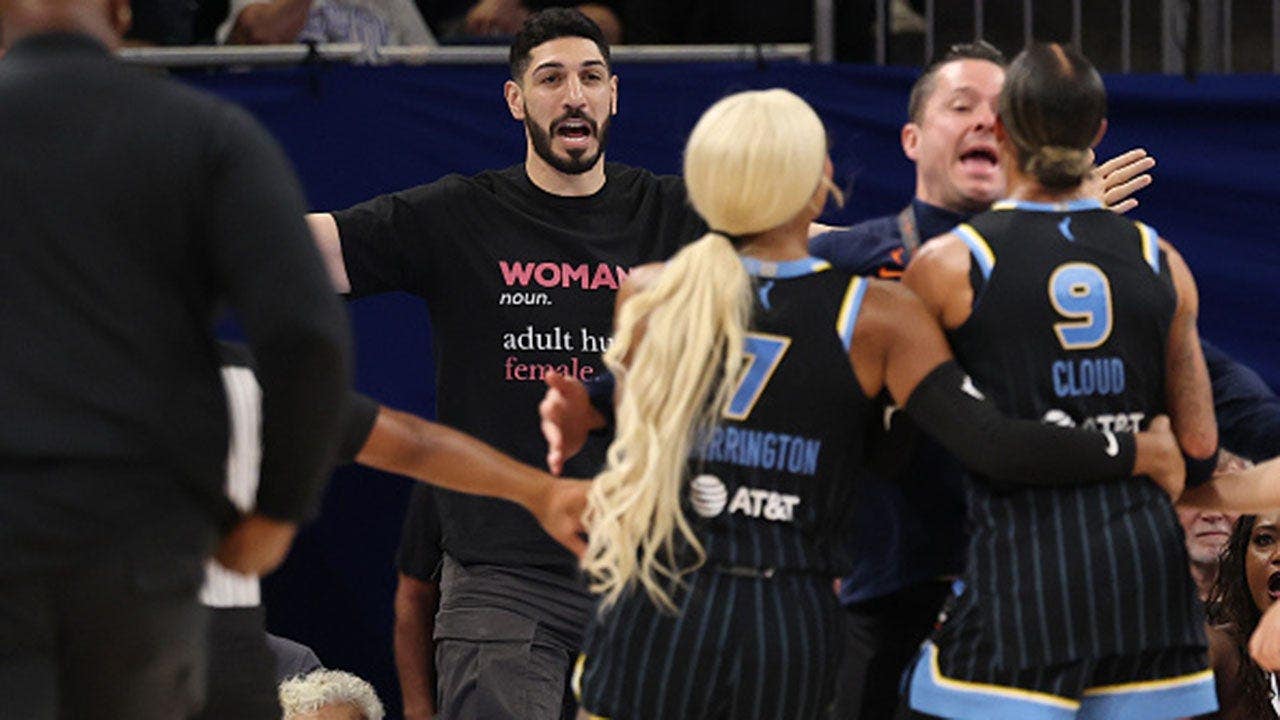
Enes Kanter Freedom ejection: Sky-Fever courtside clash turns ugly
A loud sideline dispute at Wintrust Arena ended with Enes Kanter Freedom being escorted out. The bigger story is how fast a WNBA night turned into a spectacle.