
Padres NLDS Roster: Minimal Changes Signal Maximum Trust
San Diego kept the board almost untouched. That tells you exactly how they feel about this group.
 Zane Miller5 min read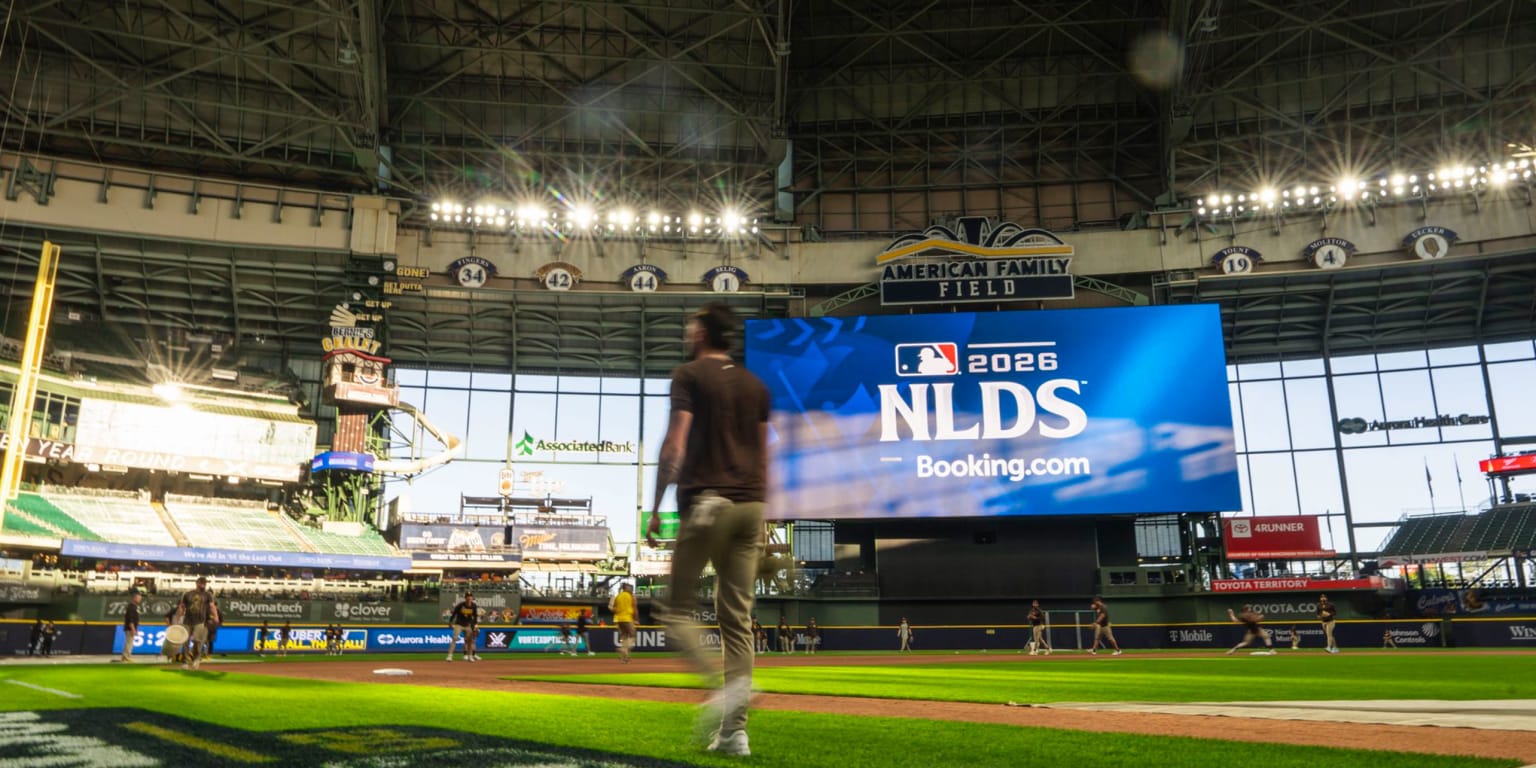
The Padres didn’t play games with this one. Same roster, same core, same message: the group that handled the Cubs gets the first crack at the Brewers. In October, that kind of consistency is its own form of confidence. No frantic reshuffling. No desperate new wrinkle. Just San Diego telling everyone the San Diego Padres are comfortable with who they are right now.
That matters more than it looks on a roster card. Managers don’t just hand out carryover rosters because it’s easy. They do it because the club’s seen enough to trust its current 26, and because the postseason punishes overcorrection. Every bench tweak creates a ripple. Every pitcher added or removed changes how you cover the middle innings. Every marginal hitter on the back end alters how you manage pinch-hit spots, double switches, and late-game leverage.
Same roster, same read on the matchup
The most telling part here is what the Padres did not do. They didn’t chase a matchup-specific panic move after advancing past the Cubs. They didn’t telegraph fear of Milwaukee’s National League profile by adding a specialist just for the sake of optics. They stayed with the unit that got the job done.
That’s a big vote of confidence in the current pitching plan and in the bench hierarchy. October rosters are as much about trust as talent. A player can be useful in a vacuum and still be unusable in a short series if the staff doesn’t believe he fits the script. San Diego’s script is clear: keep the lanes open, keep the bullpen clean, and don’t create chaos where none is needed.
And make no mistake, the Milwaukee Brewers are the kind of opponent that exposes overthinking. They make you win the series on the margins. They drag you into bullpen management, defensive positioning, and whether your lineup can survive a few quiet innings without drifting into urgency. A familiar roster is a sign the Padres think their best answer is execution, not reinvention.
October roster stability is a real edge
There’s a reason postseason teams obsess over continuity. Once the games start, the bench is thinner than it looks and the leverage gets louder by the inning. If a club has already defined its roles, the manager can move faster. No recalculating. No guessing who can handle which pocket of the lineup. No forcing a player into a spot because the roster sheet says so.
For San Diego, the reward is rhythm. The same group that swept the Cubs should already know what the staff wants in the late innings, how aggressively the bullpen will be deployed, and which bats are carrying the most trust off the bench. That kind of internal alignment can shave pressure off the first few innings of a series. In October, that’s gold.
The Padres didn’t “stand pat.” They chose the playoff equivalent of saying, we know our identity and we’re not negotiating it now.
There’s also a practical side to this. If the Padres believe their current roster gives them the best chance to navigate Milwaukee, then any changes would have been more about optics than optimization. Teams love to pretend the right move is always one extra arm or one more bench bat. Usually, it isn’t. Usually, the real edge is avoiding a decision that weakens one part of the roster to fix a problem that may never materialize.
What this says about the Padres’ bullpen plan
This is where the decision gets interesting. A playoff roster unchanged after a Wild Card sweep suggests the pitching staff’s usage map is already tight. That usually means the Padres see clear roles in the bullpen and don’t want to muddy them by adding a new arm who might only be active in theory.
That can be a good thing. It can also be a trap if the series turns into a grind and the club needs a fresh look. But right now, San Diego is betting that the bullpen structure that worked in the opener-stage series can survive a longer, more demanding matchup. Against a team like Milwaukee, that’s a reasonable bet as long as the starters can hand off leads and avoid the high-wire middle innings that force managers into emergency mode.
This is also where the bench matters more than casual fans think. A clean roster means every role is already priced in. The last bat, the last reliever, the late-game glove — all of it has a defined purpose. That sort of clarity can keep a dugout from getting sloppy when the game gets messy.
My read: San Diego trusts its ceiling more than its options
I like this move for one simple reason: it sounds like a team that understands playoff baseball is not a lab experiment. I’ve seen too many clubs talk themselves into “one more tweak” before a Division Series and end up diluting the chemistry that got them there. The smartest October teams usually don’t look busiest on roster deadline day. They look calm.
That doesn’t mean the Padres are without risk. It means they’re making a calculated call that the answer isn’t hidden on the margins. If they win this series, it’ll probably come from the same things that beat the Cubs: clean pitching lanes, disciplined at-bats, and enough trust in the roster to avoid self-inflicted drama. If they lose, people will second-guess the lack of movement. That’s how this works. Every unchanged roster becomes either a badge of confidence or a postmortem exhibit.
For now, San Diego is betting on the former.
The next move belongs to the field, not the front office. If the Padres’ same old roster travels well, this series gets very real, very fast.
More from Straight From The Bench
Comments
Join the conversation — sign in to leave a comment.
Sign in to commentRelated Stories
Dodgers vs. Braves Game 1: Historic Heat Turns NLDS Into Survival Test
Game 1 of Dodgers-Braves came with postseason stakes and an unusual heat problem. That mattered for legs, pitch shapes, and the next 48 hours.
Golden State Valkyries Coach Natalie Nakase Collapses During Playoffs
Natalie Nakase briefly collapsed midgame during the Valkyries’ playoff win over Dallas, turning a tense night into a far bigger one. The basketball mattered, but her health mattered more.
Guardians vs White Sox ALDS Rosters: Opening Day Chess Match
The rosters are set for the first Guardians-White Sox playoff meeting in history. Now comes the part where the clean laundry meets the grinder.