
Dodgers vs. Braves Game 1: Historic Heat Turns NLDS Into Survival Test
October baseball got baked in L.A., and both clubs felt it fast.
 Zane Miller5 min read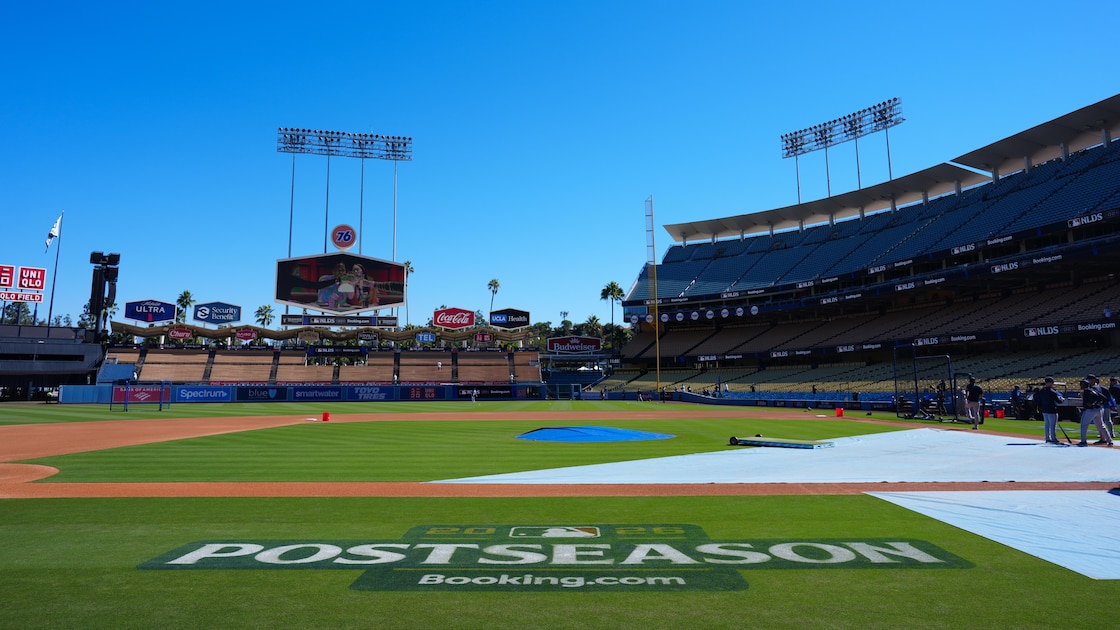
A playoff opener that felt like a summer day in August
The Los Angeles Dodgers and Atlanta Braves didn’t just open the NLDS in a pressure cooker. They opened it in literal heat that pushed Game 1 into rare air for October baseball.
That’s not trivia. That changes the game. Warm weather affects everything from grip to recovery to how fast a pitcher wants to go back to the same pitch. In a short series, those margins get loud fast. A team with a deeper bullpen, fresher legs, and more flexible roster usage suddenly gets a little extra value. A team leaning on power arms and power bats has to manage the wear a touch differently.
This was supposed to be the clean, familiar October script: two heavyweight clubs, one opener, one edge to grab. Instead, it turned into a test of conditioning, patience, and who could keep executing while the ballpark felt more like July.
Heat doesn’t just drain players — it changes decisions
Managers preach about not overreacting to one game. Fine. But weather like this can alter how you think in real time.
The ball can carry differently. The mound feels different. Pitchers that live on sharp, late movement have less room for error if the environment flattens the bite on their breaking stuff. Hitters, meanwhile, don’t need much help when they’re already looking for one mistake in a playoff at-bat. Add some extra carry and now every well-struck ball has a little more life.
That’s why this game matters beyond the box score. The NLDS is already a chess match, and extreme warmth turns the board into a trickier surface. The Braves and Dodgers both know the postseason punishes stubbornness. If a starter is laboring, the hook comes earlier. If the bullpen is thin, the night gets longer. If a lineup is built around patient damage, you have to stay present even when the conditions tempt you into chasing a quick one.
For context, this is the kind of October curveball that exposes roster construction. Front offices build for October thinking about matchup depth, bullpen lanes, and bench flexibility. Weather doesn’t get a line item in the winter meetings room, but it absolutely shows up on the field.
Why this favors depth, not just star power
Both clubs can hit. Both clubs can pitch. That’s why this series had the look of a heavyweight fight from the start. But warm-weather playoff baseball tends to reward the team that can absorb chaos without blinking.
That usually means three things:
- a bullpen that can cover innings without panic
- hitters who don’t chase one perfect swing when the zone tightens
- defenders who keep one bad bounce from snowballing
The Dodgers have lived in this ecosystem for years: expectations, pressure, and the constant demand to survive October with the roster intact. The Braves bring their own brand of thunder, and their lineup can turn a game with one swing faster than almost anyone. But a scorching night shifts the emphasis from pure firepower to total control.
If this series starts feeling messy, I’d trust the club with the cleaner contingency plans. That’s where playoff baseball is won. Not in the marketing. In the roster math.
This is exactly why October keeps humbling everyone
I’ve covered enough playoff baseball to know people love to talk about “momentum” and “vibes” like the whole thing lives in the cloud. It doesn’t. It lives in the details. Heat, humidity, travel, bullpen freshness, the third night of a series, the second time through the order. That’s where October gets real.
Here’s my read: unusual weather in a game like this doesn’t just create discomfort. It widens the gap between teams that are organized and teams that are merely talented. The postseason always rewards star power, but it punishes rigidity even harder. If you’re locked into one game plan and the environment changes, you get exposed.
October doesn’t care how good your lineup looks on paper if the night itself turns into an endurance test.
That’s the part of this opener I’d circle. Not just that it was hot. That the heat became part of the competitive story. Teams with postseason scars already know this. The ones still learning usually do so the hard way.
I also think this is the sort of game that forces dugouts to check their assumptions. A manager who normally waits for a starter to settle in may not wait as long. A staff that trusts a breaking ball-heavy plan may lean a little more on contact management. The best clubs adapt before the TV audience notices. The rest do it after the damage starts.
What to watch as the series moves on
The next game won’t just be about who has the better ace, better bullpen, or better swing decisions. It’ll be about how each side responds to the physical load of Game 1.
Watch the pitching usage carefully. Watch whether either team protects certain arms or goes all-in early because the opener felt more draining than expected. Watch the defensive energy too. Hot nights can turn routine movement into a tax, and that tax adds up in a series where one bad inning changes everything.
The MLB postseason has a way of exposing the smallest weakness. This one came with weather attached, which only made the margins thinner. If you want the cleanest read on the series, start there: who looked sharper, who looked fresher, and who could still execute when the ballpark stopped feeling like October.
The Dodgers and Braves will still be judged by runs, outs, and pitching decisions. But Game 1 handed us something extra. It turned an already massive matchup into a test of survival.
And that’s where October usually gets its teeth.
More from Straight From The Bench
Comments
Join the conversation — sign in to leave a comment.
Sign in to commentRelated Stories
Padres NLDS Roster: Minimal Changes Signal Maximum Trust
The Padres are rolling into the NLDS with the same roster that handled the Cubs. That kind of continuity says a lot about belief, roles and playoff readiness.
Golden State Valkyries Coach Natalie Nakase Collapses During Playoffs
Natalie Nakase briefly collapsed midgame during the Valkyries’ playoff win over Dallas, turning a tense night into a far bigger one. The basketball mattered, but her health mattered more.
Guardians vs White Sox ALDS Rosters: Opening Day Chess Match
The rosters are set for the first Guardians-White Sox playoff meeting in history. Now comes the part where the clean laundry meets the grinder.