
Padres Reject Yankees Offer: Will Warren, Adrian Morejon Talks
San Diego kept its leverage. New York keeps shopping for a lefty edge.
 Beatrice Kensington6 min read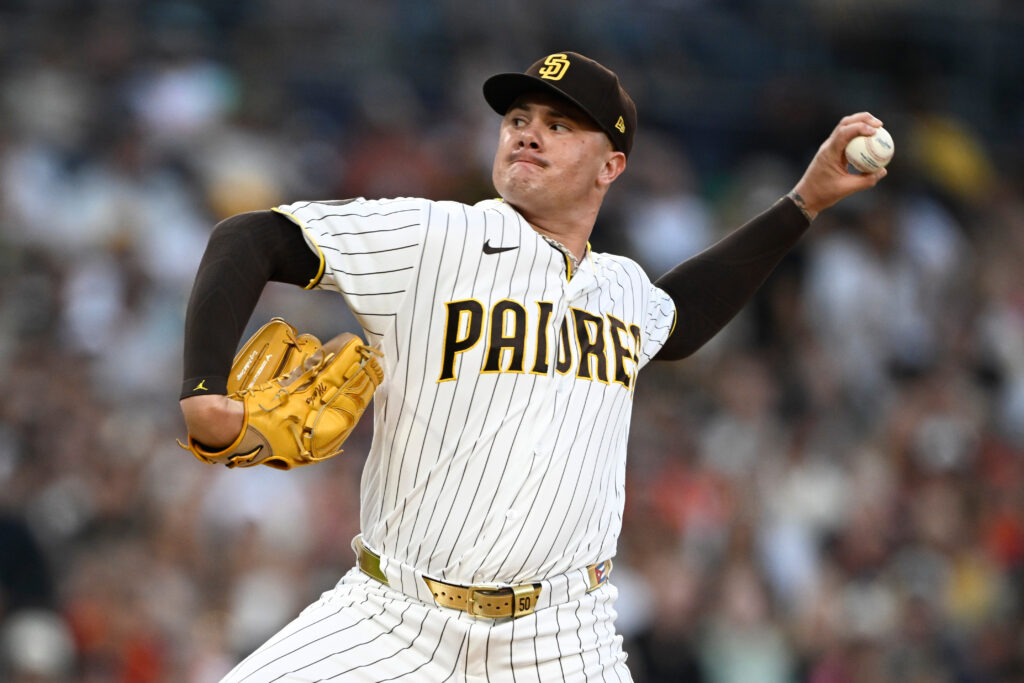
The Padres turned aside a Yankees pitch that would have sent Will Warren to San Diego for Adrian Morejon, and the refusal lands with a little more weight than a simple dead-end negotiation. This was not a bargain-bin trade proposal or a summer shrug. It was a sideways glance at two clubs solving the same problem from opposite directions: one trying to protect a bullpen arm it still values, the other trying to find enough pitching to survive the long, bruising drag of a pennant race.
For New York, the interest is obvious. A left-handed reliever with leverage-inning usefulness is the sort of player who can soften the sharp edges of October, and the Yankees have lived too often in the hard light of bullpen uncertainty. For San Diego, the answer was just as plain. Morejon is not merely a warm body in a uniform; he is a live arm with real utility in a pitching staff that has spent years balancing ambition against attrition. The Padres have learned, sometimes painfully, that depth is a precious thing once the calendar bends toward late summer.
The Yankees wanted the kind of arm every contender wants
The market for trusted left-handed relief has become its own little auction house, where each bid is shaped by desperation and by the memory of past failures. The Yankees have been here before. Contending clubs always arrive at the same hour, staring at the same shortage, hunting for the same left-on-left answer that can quiet a dangerous pocket of opposing hitters in the sixth, seventh, or eighth.
That is why Morejon makes sense. He is the sort of pitcher who can be deployed in smaller tactical bursts, and those pitchers carry outsized value in October baseball, where one matchup can tilt an entire inning, sometimes an entire series. If you want a better sense of how teams treat these arms like currency, look no further than the churn of deadline deals that often favor control, versatility, and present-day trust over raw upside. A club can survive with a shaky fifth starter for a while. It is much harder to survive with no one you trust to face the heart of the order when the game tightens.
Why San Diego said no
The Padres' refusal is its own kind of statement, and it fits the organization’s recent personality. San Diego has been willing to spend, willing to dream, willing to chase the sharper edge of contention. But that has not made the front office reckless. In a season where every club with postseason hopes is counting innings like loose change, a useful reliever becomes more than a piece; he becomes insurance against the ugly month that can break a season wide open.
Morejon, at his best, offers something clubs cannot manufacture on command: a left arm with enough value to matter and enough flexibility to matter in more than one inning. The Padres may also be looking at the broader picture and seeing a thin margin between being solid and being exposed. If they believe their path runs through a bullpen-heavy stretch or if they suspect the market will only get more expensive, then saying no now is not passive. It is discipline.
In July and August, the real luxury is not star power. It is the comfort of knowing one reliever can cover a scar on the roster before it starts bleeding.
For those who have followed San Diego’s recent personnel choices, this fits a familiar line of thinking. The club has been opportunistic and, at times, restless. But it has also shown a willingness to preserve the parts that still look hard to replace. That prudence may not satisfy a fan base raised on drama, yet baseball rewards the boring instincts more often than people admit.
What Will Warren represents in this kind of talk
Warren, for the Yankees, is the sort of name that tells you a front office is willing to use from its pile of pitching depth to get a present-tense answer. That is not a confession of weakness so much as a wager. Clubs believe they can replenish young arms, or at least convince themselves they can, because every contender is tempted to convert possibility into certainty once the standings start narrowing.
There is real tension in that choice. Prospects and near-prospects are the only form of cheap control left in a sport that keeps growing more expensive everywhere else. Deals like this are rarely about one player alone; they are about time. A reliever with a live arm now can feel more useful than a starter who might help six months from now, and teams with championship expectations are built to think that way. If you want a reminder of how often pitching trades reshape a race, the Yankees’ pursuit belongs in the same conversation as the broader movement of arms around the league, not unlike the kind of ripple effect that follows a trade such as Luis Castillo leaving Seattle) or other deadline pursuits that force clubs to choose between upside and urgency.
My read: both teams are revealing their priorities
I have long believed that the sharpest trade rumors tell us less about the player involved than about the nerves of the clubs circling him. This one does exactly that. New York is broadcasting a simple truth: it does not trust its current bullpen shape to remain intact under October pressure. San Diego, in refusing, is saying the opposite, or at least pretending to. It is saying that a useful lefty is worth more than a midseason flyer with promise.
That stance can age well. It can also look overly cautious if the next few weeks expose a weakness that was there all along. Baseball is cruel that way. The difference between wisdom and stubbornness is often measured by three blown leads and a tired bullpen chart.
There is a historical echo here, too. The best clubs are the ones that understand roster scarcity before the rest of the league does. The Yankees have spent decades trying to buy certainty; the Padres, more recently, have tried to assemble it. Neither approach comes cheaply. And in a trade market where even modestly useful arms can become prized possessions, every refusal is a clue.
The next move may be quiet, maybe even smaller. But it will tell us who blinked, who waited, and who still believes it can win the inning before it wins the game.
More from Straight From The Bench
Comments
Join the conversation — sign in to leave a comment.
Sign in to commentRelated Stories
Giants to Trade Tyler Mahle to Braves: Deadline Rotation Move
The Braves added Tyler Mahle for a deadline push, while the Giants turned a pending free agent into bullpen help. It’s a clean swap with very different motives.

Cubs acquire Kevin Gausman: rotation fix with real teeth
The Cubs landed Kevin Gausman, and that’s not window dressing. It’s a real starter for a club that needed one badly.
Dodgers Tarik Skubal Trade Talk: Friedman's fierce defense
Los Angeles is once again accused of tilting the sport, and once again the Dodgers are not apologizing. The Tarik Skubal chatter only sharpened the argument around baseball’s haves and have-nots.