
Russell Westbrook Retirement: 18 Seasons, One Last Furious Run
The game moved on, but Westbrook never learned to play it quietly.
 Beatrice Kensington6 min read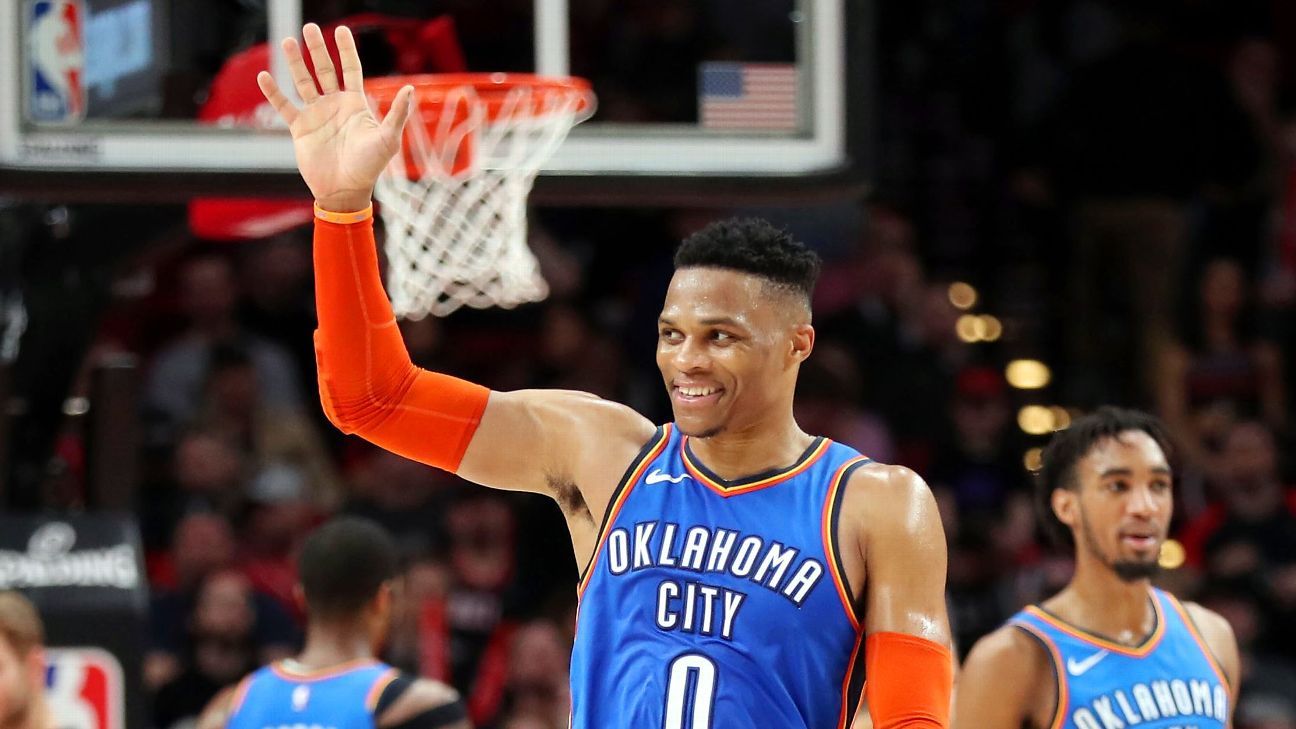
Russell Westbrook spent 18 seasons playing as if every possession might be the last honest one in the building, and now the calendar has finally caught him. His retirement lands like a hard slap on the scorer’s table: abrupt, a little bruising, impossible to ignore. This was never a career built for soft landings. Westbrook came in like a storm, left fingerprints on every franchise he touched, and made a generation decide whether it preferred control or combustion.
He announced his decision after seven teams, after an NBA career that began with the old-school electricity of the Oklahoma City Thunder years and wound through the uneasy geography of late-career guard life. There were triple-doubles, MVP nights, ferocious rebounding bursts from a point guard who treated the paint like occupied territory, and then the slow, familiar argument that has shadowed him for years: what do we do with a player whose greatness arrived in one shape, while the league kept asking for another?
Westbrook never answered that question neatly. He simply kept playing. And that refusal — to smooth the edges, to trim the excess, to become something tidier for public consumption — is the reason his retirement feels larger than a roster update.
A career built on velocity, not compromise
Westbrook’s first gift to the league was speed that looked almost personal, as if it had been aimed at the defense out of spite. He attacked the rim with the urgency of someone trying to arrive before common sense could catch him. In his prime, that style was not merely effective; it was theatrical in the old, bruising sense, the kind of performance that made arenas feel slightly unsafe.
That is why his résumé remains so difficult to flatten into a neat sentence. He was an MVP, a nine-time All-Star, a stat-sheet outlaw who turned rebounding into a guard skill and a triple-double into a nightly expectation for a stretch of seasons that seemed to rewrite what a lead ballhandler could do. He was also, at times, maddening. The shot selection could be wild. The turnover count could climb. The finishing could swing from spectacular to stubborn in the same quarter.
And yet the league kept orbiting him, because Westbrook’s flaws were welded to the same engine that produced his brilliance. You could not separate the gas pedal from the crash risk. That was the deal.
The Thunder years still define the silhouette
Every great Westbrook conversation eventually walks back to Oklahoma City, because that is where the silhouette formed. In those years with Kevin Durant and James Harden, he was part of something that felt both royal and unfinished, a team built around youth, force and consequence. The Thunder did not merely compete; they announced a style of ambition that was brash enough to feel modern and stubborn enough to feel permanent.
Then came the breakup, the departures, the years of interpretation. Westbrook stayed, and in staying he inherited not just a franchise but a kind of loneliness that is reserved for stars left to carry the story after the supporting cast has moved on. He did it with a kind of hard-chinned loyalty that fans noticed even when they argued with the rest of his game.
That matters now because retirement has a way of sanding down a player’s errors. It does not erase them, but it changes their temperature. Westbrook should not be remembered as a perfect player — he was not one — but as a singular one. The league is crowded with excellence. It is starved for singularity.
What his ending says about the modern point guard
The guard who once seemed like the future now leaves behind a more complicated inheritance. Westbrook helped usher in the era where point guards were not asked merely to organize offense; they were expected to seize it, to bend pace and force and gravity to their will. In that sense, he was a precursor to the more polished, more space-conscious, more mathematically fluent point guard landscape that followed.
But he also stands as a warning. Basketball’s modern cruelty does not merely test whether a player can peak; it asks whether he can adapt while the body thins and the league’s preferences mutate. Westbrook’s late-career stops across seven teams told that story plainly. The athlete remained proud, useful in flashes, still dangerous in bursts. The fit, more often than not, was the issue.
Westbrook’s career was not a lesson in how to age gracefully. It was a lesson in how to remain yourself while the sport asks you to shrink.
The sentimental version of this ending wants a final season defined by grace notes and tidy farewells. Westbrook was never going to offer that. His whole public life in basketball was a challenge to tidy narratives. He played too hard for elegance to be the point. He made effort visible. He made volatility part of the ticket price.
What I think his retirement really closes
I have always believed the most revealing stars are the ones who leave behind arguments, not consensus. Westbrook is one of those players. He was not built to be loved uniformly, and perhaps that is the secret to his longevity in the public imagination. Fans do not merely remember what he did. They remember how he made them feel while he did it — thrilled, exasperated, overfed on adrenaline, then exhausted by the aftermath.
That emotional volatility is not a flaw in the historical record. It is the record. When the next wave of young guards begins to chase his numbers, they will inherit the easier parts first: the highlights, the stat lines, the nightly chaos. They should also inherit the responsibility. Westbrook’s career asked for a harder standard than box-score worship. It asked whether a player could be imperfect and still matter at the center of the sport’s imagination.
I think the answer is yes. And I think the answer will follow him long after the last retirement graphic fades.
For the Thunder, for the teams that borrowed his final years, for the league that spent nearly two decades trying to solve him, the silence now will feel strange. It should. Some players leave behind empty lockers. Westbrook leaves behind weather.
The game will keep moving. It always does. But the memory of that downhill burst, that coiled violence at the rim, that restless insistence on one more hard drive — that will linger.
More from Straight From The Bench
Comments
Join the conversation — sign in to leave a comment.
Sign in to commentRelated Stories
Knicks vs 76ers NBA Cup: opening day gets a real backbone
The NBA Cup opens with Knicks-Sixers and Lakers-Warriors, a schedule built to make the gimmick feel like business. Smart move.
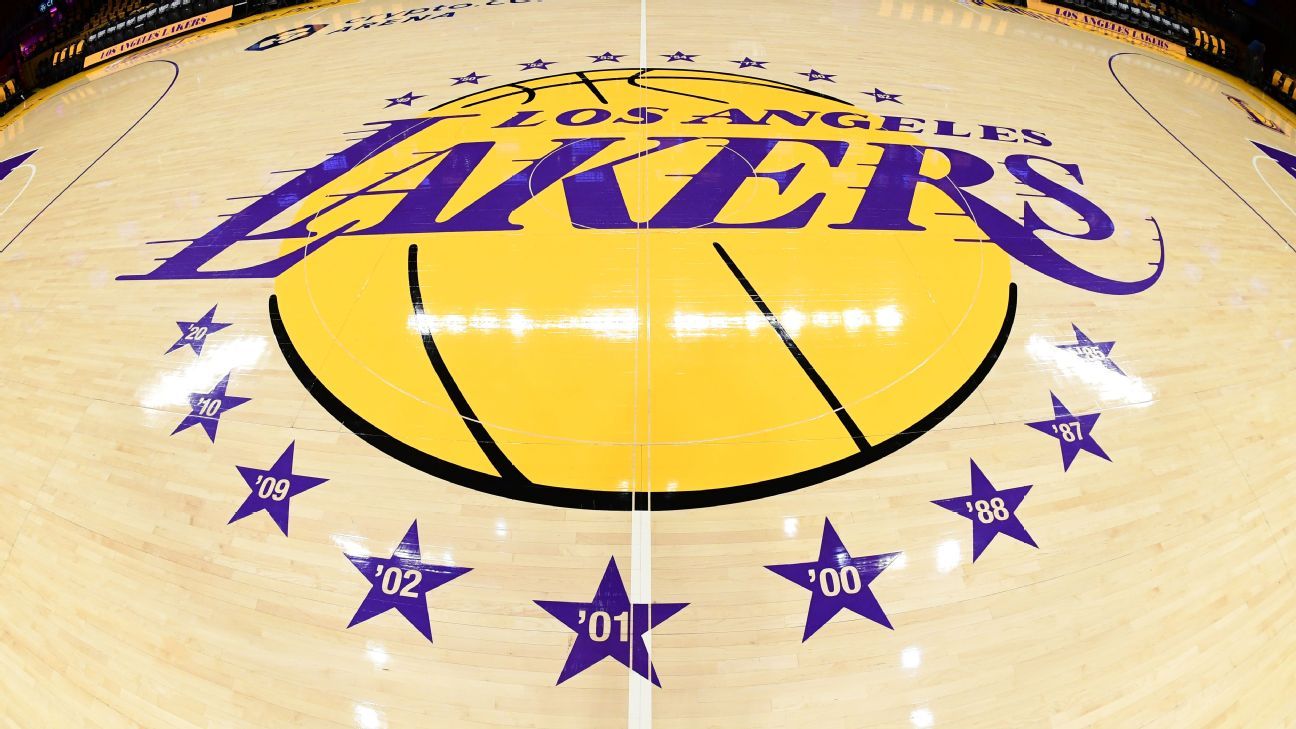
Lakers Sale: Josh Kushner and Bob Iger Buy Team for $12.5B
The Lakers are being sold for a record $12.5 billion, a price that says as much about modern sports power as it does about Los Angeles.
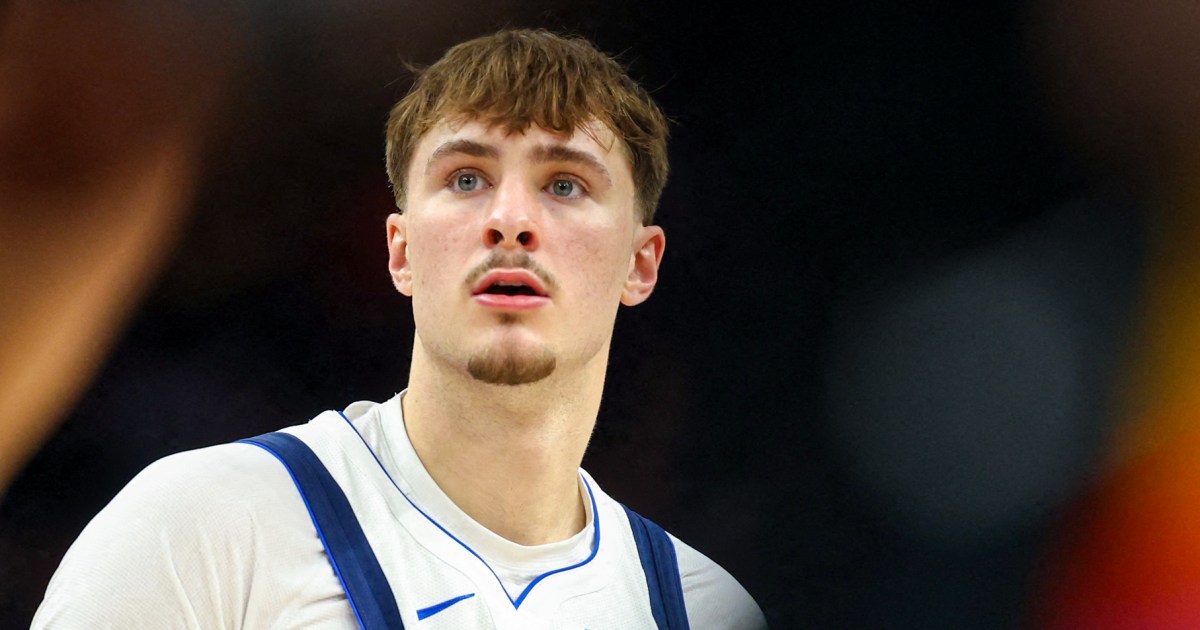
Cooper Flagg rookie card found in Rhode Island stirs card world
A 1-of-1 Cooper Flagg rookie card surfaced in Rhode Island, and the hobby did what it always does: it started buzzing like a bad light fixture.