
Sean Payton play-calling: Broncos reset ahead of Chargers
The headset is back where it always was. Denver is betting on its boss to fix the pulse.
 Zane Miller5 min read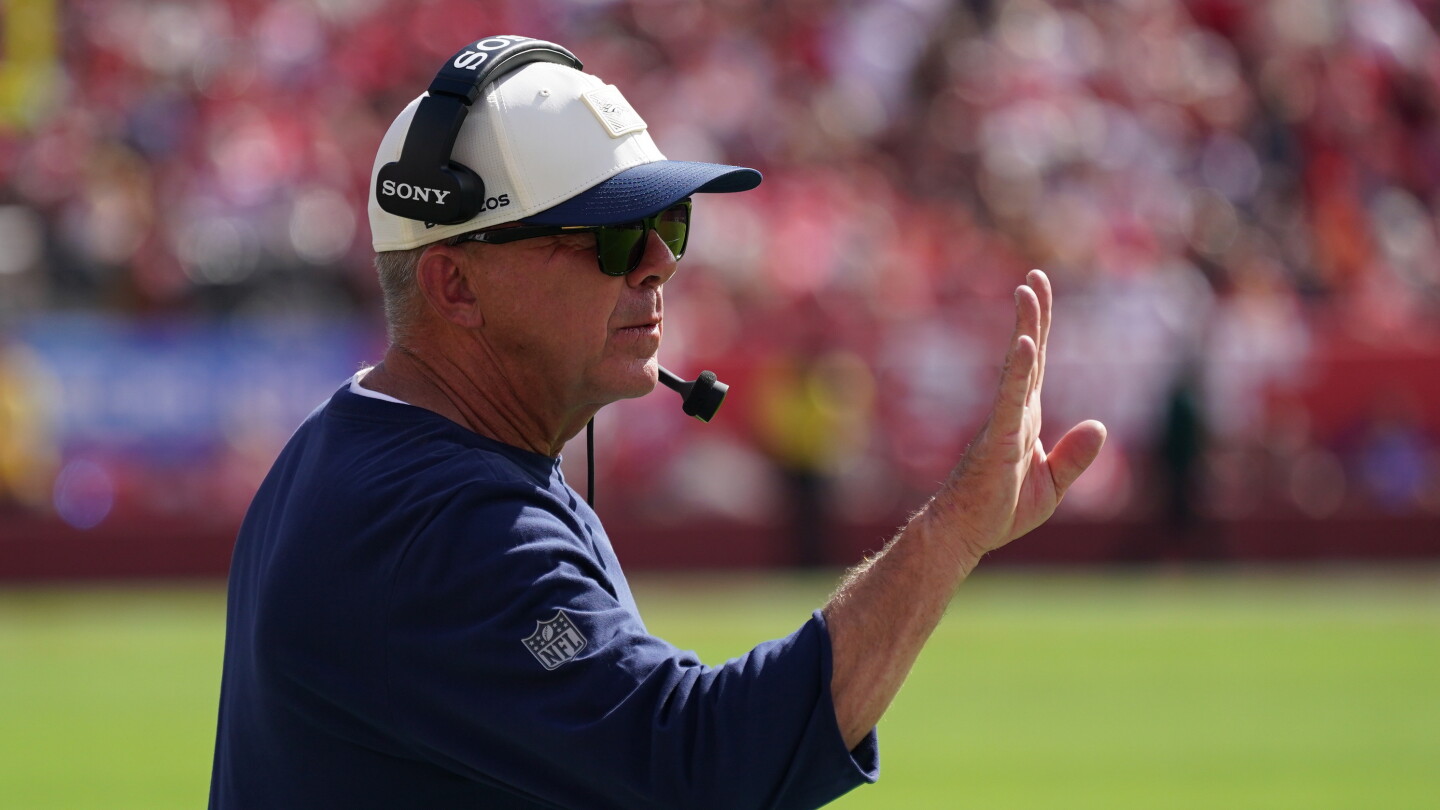
Sean Payton is taking the headset back, and that tells you everything about where the Broncos think this offense is right now. The experiment with Davis Webb is over before it really ever had a chance to breathe, and Denver is pivoting back to the guy who has spent two decades shaping game plans, living in the margins, and making quarterbacks look a little better than they did the week before.
This is not cosmetic. This is a reset.
Payton is taking the wheel again
Payton calling plays again means the Broncos are done pretending this was just about delegation. In theory, the arrangement with Webb was supposed to modernize the staff and spread responsibility around. In practice, the offense needed cleaner sequencing, sharper answers on money downs, and someone with full authority to make the next call without a committee feel.
Now Payton gets that control back, and he gets it with a short runway. The Seattle Seahawks are looming, which matters because every play-caller reset comes with a clock attached. You do not make this move if you think things are humming. You make it when the margin for patience is gone.
That urgency changes the entire feel of the week. The installation is about simplifying decision-making, not showing off scheme. The play sheet probably gets tighter. The answers probably get more direct. And yes, the quarterback gets the benefit of hearing one voice instead of a layered process that can slow everything down.
What this says about Denver's offense
The Broncos have spent enough time in the gray area already. Not terrible enough to shrug off, not efficient enough to trust. That is the worst place to live in the NFL, because it forces a team to keep asking whether the problem is talent, structure, or sequencing. Usually the answer is some messy mix of all three.
Payton is essentially telling the room that structure is the first thing to fix. That makes sense. Offensive coordinators can help, but head coaches with play-calling chops are often at their best when they own the rhythm of the whole operation. The drives feel less fragmented. The in-game adjustments get sharper. The quarterback isn’t waiting on a chain of command to catch up with the tempo of the defense.
This also sends a message to the locker room. Nobody has to decode it. The staff saw enough to know this offense needed a different trigger man. The players will read it the same way: the standard is being raised, and the top of the food chain is stepping in.
If you followed Denver’s postseason aspirations into the preseason hype cycle, this is the kind of moment that decides whether that optimism sticks or evaporates. We’ve seen this movie in the NFL before. A coach hands off play-calling, watches the operation stall, then takes it back to stabilize the season. Sometimes it sparks a real turnaround. Sometimes it just changes the shape of the disappointment.
Davis Webb's role, and what changes now
Webb’s stint as the play-caller does not have to be read as failure in some dramatic, permanent way. It was an assignment. The league does this all the time, especially with offensive staffs looking to develop young coaches and broaden the tree. But development and winning are not always traveling together, and the Broncos are clearly choosing the latter.
That means Payton is probably looking for cleaner early-down structure and fewer possessions that drift into obvious passing situations. It means the run-pass balance may tighten up around what Denver can actually sustain, not what looks good on a board in August. It also means red-zone execution should be under a brighter spotlight, because that is where play-callers get exposed fast.
The ripple effect matters for everyone attached to the offense. Receivers need timing. Backs need clearer reads. The quarterback needs stability more than slogans. Payton has never been shy about being hands-on, and this move fits his coaching DNA. He’s at his best when he controls the script, controls the rhythm, and forces defenses to solve one problem after another.
Denver is choosing certainty over experiment, and in this league that usually means the next few weeks will tell the truth.
The Seahawks next, then the real test
The timing is the whole story. With Seattle coming up, Payton gets his first live run in a game setting almost immediately. That matters because you can’t fake play-calling rhythm. You either settle in quickly or the game starts dictating terms to you.
This is also where the season starts to separate for Denver. If the offense looks cleaner right away, the move will be framed as the obvious correction it probably is. If it doesn’t, then the Broncos are back in the familiar loop of asking bigger questions about personnel, identity, and how much upside is really baked into this group.
I’ll say it plainly: when a veteran coach with Payton’s résumé takes play-calling back, it usually means he does not trust the current flow enough to wait for it to fix itself. I’ve seen enough of these midstream resets to know they rarely happen for optics. They happen because the numbers, the film, and the sideline all start saying the same thing. The offense needs a more direct hand.
That does not guarantee fireworks. It does not guarantee consistency. But it does raise the floor, and that is where Denver lives right now. Not chasing fantasy. Chasing competence. And if the Broncos are going to climb out of the AFC mud, Payton is going to have to do it the old-fashioned way: one call at a time.
The next two games will tell us whether this is a correction or just another turn in the road. Either way, the headset is back where it started, and Denver just admitted it.
More from Straight From The Bench
Comments
Join the conversation — sign in to leave a comment.
Sign in to commentRelated Stories
.jpg?w=1120&h=630)
NFL Week 5 Picks and Predictions: Giants vs. Commanders Early Edge
Week 5 opens with a big Thursday number, but the real story is how thin the margins are by Sunday. Washington’s quarterback situation adds another layer to the board.
Lane Johnson Retirement: Eagles Face a 2027 Cap Crisis
Lane Johnson’s decision to step away changes more than Philadelphia’s depth chart. It could leave the Eagles staring at a difficult cap problem just as the roster ages into its next act.
Tyreek Hill Divorce Case: Audio, Video Put Pressure on Both Sides
The Tyreek Hill divorce trial is dragging private life into public view, with audio and video now part of the record. For a free agent, that matters beyond the courtroom.