
Sixers backup center: Ariel Hukporti Achilles injury leaves thin depth
Philadelphia’s frontcourt got brittle fast, and now the margin behind Embiid is getting scary.
 Zane Miller5 min read
Hukporti’s injury changes the math fast
Ariel Hukporti tearing his Achilles in the Sixers’ preseason opener is the kind of setback that looks smaller on a medical report than it does on a roster sheet. Philadelphia was already living on the edge behind Joel Embiid, and now the depth chart at center has gone from thin to frankly fragile.
This is where preseason injuries sting more than people want to admit. Teams spend camp trying to answer two questions at once: who can survive the regular season, and who can survive 82 games worth of punishment if the starter misses time. The Sixers were already operating with a massive asterisk next to Embiid’s availability. Losing Hukporti doesn’t just remove a body. It removes one of the few bodies built to actually play the position.
And yes, this matters even if Hukporti was not a guaranteed rotation piece. Backup centers are often judged like spare tires until the car hits a pothole. Then everybody suddenly cares whether the thing can hold air.
Why the Sixers’ center problem got louder
Philadelphia’s whole center plan has been built around a giant, obvious assumption: Embiid is the axis, everything else is support. That’s fine in theory. It’s never fine when the support gets wiped out before the games count.
The Sixers do have ways to patch minutes at the five, but patchwork is the point. You can get by with small-ball looks for stretches. You can survive with a power forward moonlighting inside. You can even steal minutes with a lineup that changes the geometry of the floor. None of those solutions, though, replace an actual center when a team has to absorb foul trouble, back-to-back wear, or one of Embiid’s inevitable maintenance nights.
That’s why this injury matters beyond the preseason box score. It doesn’t just affect the fifth-biggest name on the roster. It changes how the front office has to think about every non-Embiid minute from here on out.
The Sixers don’t just need a backup center. They need someone who can keep the season from tilting whenever Embiid sits.
The market is the message here
If you’re looking at this from the front office side, the market is pretty simple: cheap centers with real size always get attention once a contender starts leaking depth.
The Sixers are not shopping for a savior. They’re shopping for insulation.
That means a veteran minimum type, a rim-running stopgap, or a low-cost big who can rebound, survive pick-and-rolls, and not get played off the floor immediately. The league always has a few of those names floating around once rosters start tightening. The trick is timing. Move too early and you overpay for the available big. Move too late and you’re stuck explaining why the team is asking a forward to guard the paint for 18 minutes a night.
Philadelphia has seen this movie before. The Philadelphia 76ers can build a very pretty roster on paper, then spend half the year bargaining with reality. The market knows it too. When a team has a center like Embiid, every depth issue becomes more expensive because everybody else can see the urgency.
And if you want a reminder of how fast these things can spiral, look no further than other teams around the league that have had to improvise after injury news hit. The difference between a clean roster and a shaky one is often one bad preseason night. We’ve already seen how quickly lineup decisions become emergency planning in spots like the Dodgers lineup shift around Shohei Ohtani. Different sport, same vibe: once the dominoes start falling, you’re not managing ideal conditions anymore. You’re managing damage.
What this means for Embiid’s workload
This is the part Philly has to be honest about. Every backup-center injury pushes more stress onto Embiid’s body and more pressure onto the coaching staff to protect him with minutes, matchups, and spacing decisions.
That’s a headache in the regular season. It becomes a problem in the spring.
The Sixers know the exact script by now: if Embiid is forced to carry too many empty-center minutes, the team’s margin shrinks. Rim protection dips. Rebounding becomes a group project. Foul management gets messy. And the offense, which often bends around Embiid’s gravity, starts to look a lot less stable when the lineup around him has to be shuffled every other possession.
I’m not saying this injury decides anything by itself. But I am saying it raises the odds that Philadelphia has to make a real move sooner rather than later. The front office can talk about internal options all it wants. The injury math is ugly. You can’t sell “depth” when your depth chart is one bad week away from turning into a coaching experiment.
My read: the Sixers can’t wing this one
I’ve covered enough contender rosters to know the difference between a temporary hole and a structural issue. This feels structural.
When a team is built around one elite center, the backup has to be more than a warm body. He has to be a pressure valve. The Sixers don’t have that now, and the Achilles tear just made the problem impossible to ignore. If they do nothing, they’re betting that Embiid stays upright, healthy, and untaxed in a league that spends all season trying to punish big men.
That’s a dangerous bet. It usually looks fine in October. It looks a lot worse by January.
The next move doesn’t have to be flashy. It just has to be sensible. Philadelphia needs a center who can buy possessions, not headlines. Because right now the rotation behind Embiid is one stumble away from being exposed every night.
And that’s the part executives notice immediately. Not the injury itself. The gap it opens.
Expect the Sixers to keep scanning. Quietly, aggressively, and with a little more urgency than they had yesterday.
More from Straight From The Bench
Comments
Join the conversation — sign in to leave a comment.
Sign in to commentRelated Stories
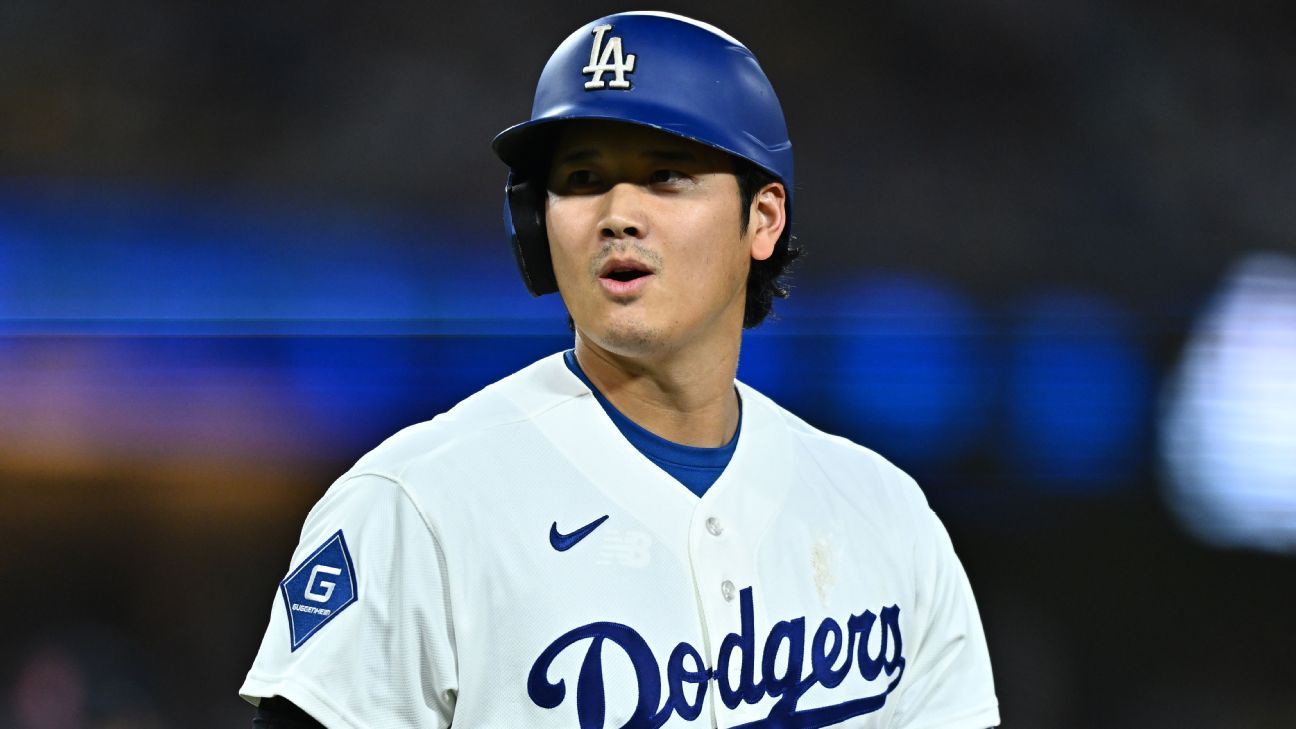
Dodgers Shohei Ohtani Lineup Move: Roberts Drops Star to No. 5
Shohei Ohtani at No. 5 is more than a lineup quirk. It’s a message about urgency, matchup math, and how little margin the Dodgers have left.

Dan Campbell offense struggles: Lions coach sounds the alarm
Dan Campbell didn’t sugarcoat the Lions’ sluggish start. The offense looks ordinary, the defense needs fixing, and patience is starting to wear thin.
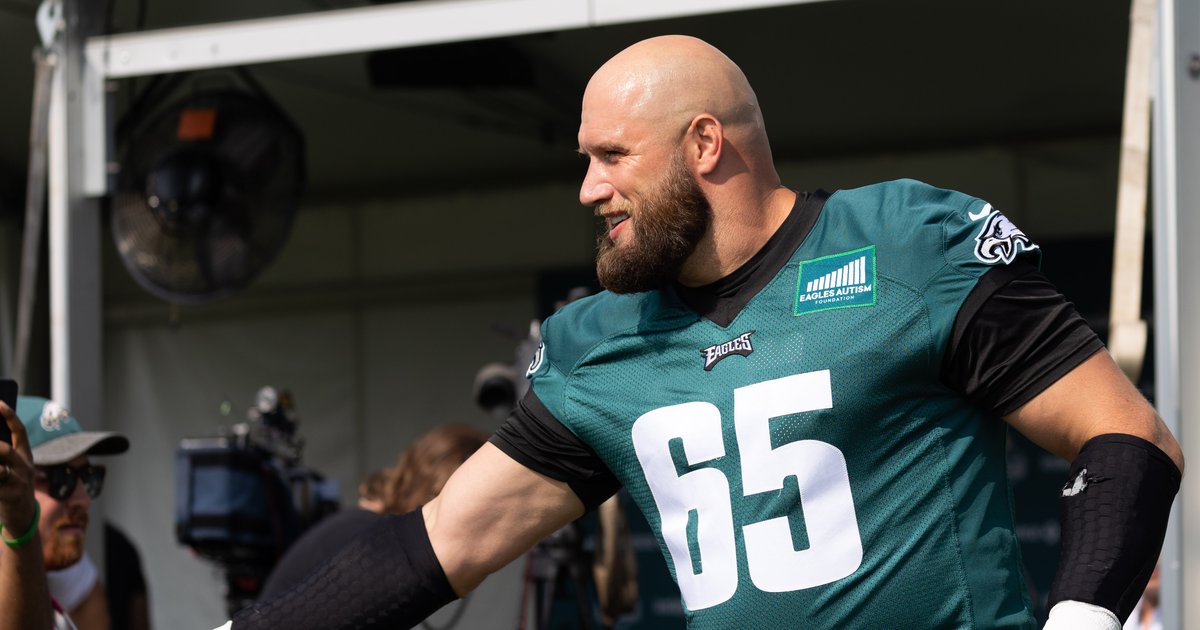
Lane Johnson retirement: Eagles lose a pillar of the right edge
Lane Johnson leaves as one of the finest linemen of his era, and the Eagles lose more than a tackle. They lose a standard.