
Sophie Cunningham Column: Seattle Times Spiked Story Sparks Resignation
When the newsroom blinks, the columnist either folds or walks. Matt Calkins picked the stairs.
 Leo Lupo6 min read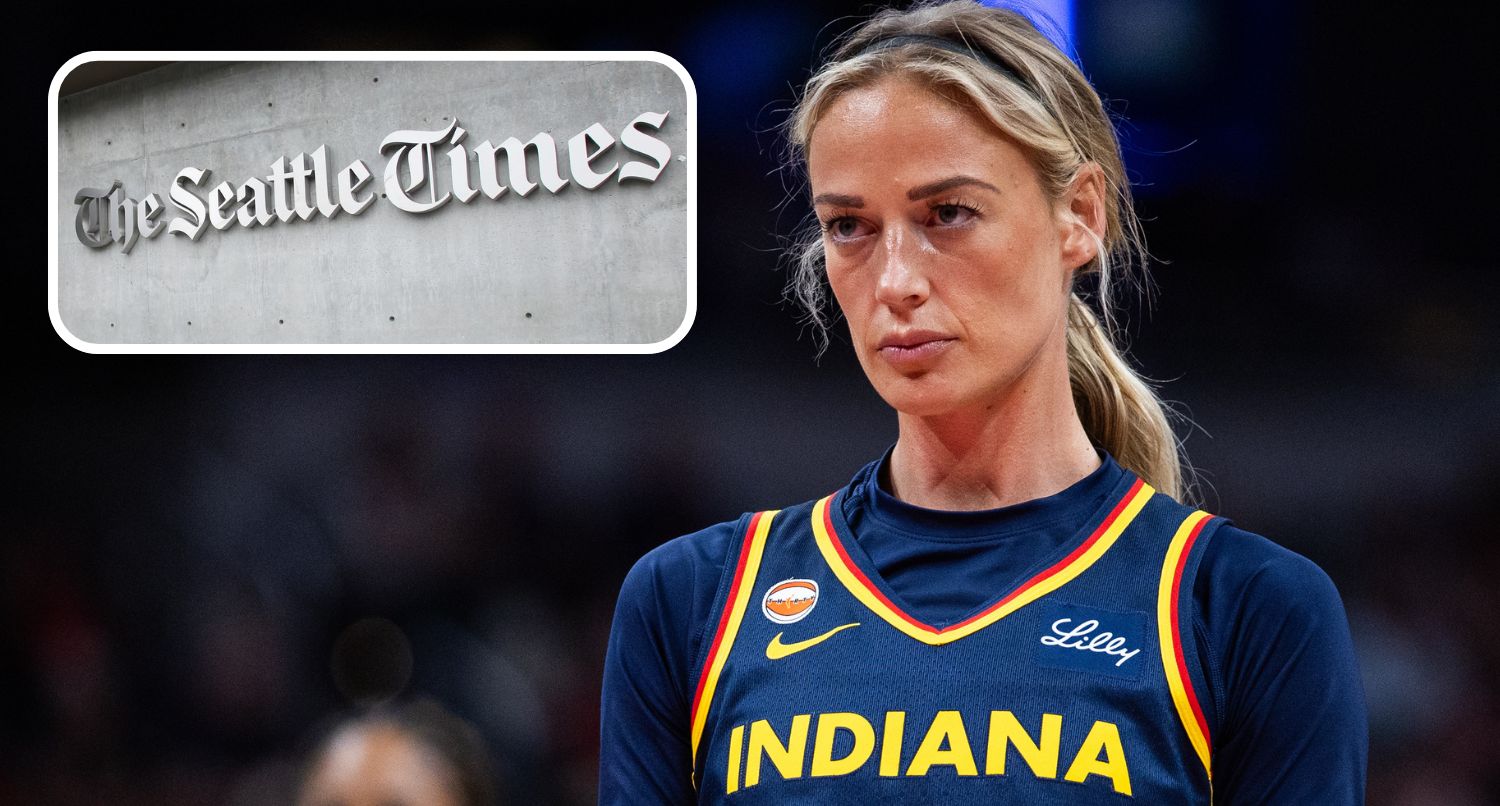
The column that didn’t make it, and the resignation that did
Seattle lost a columnist before it even got to read the full argument. That’s the ugly little headline under this mess. Matt Calkins, a veteran at the Seattle Times, resigned after the paper scrapped his piece on Sophie Cunningham and transgender athletes. No glossy spin will make that sound tidy. A newsroom made a decision. A columnist answered with the door.
This is not some garden-variety editorial squabble over a lede or a comma count. This is what happens when sports writing bumps straight into culture-war territory and everybody reaches for a helmet. The paper didn’t want the story. Calkins didn’t want to sit there and pretend that was business as usual. So he left. That’s the whole blunt little opera.
Why Sophie Cunningham became the flashpoint
Cunningham is a WNBA player with a sturdy reputation as a competitor and a voice that doesn’t mind a microphone. That matters because once an athlete becomes a symbol, the sport gets dragged into a fight it never really asked for. You can debate the specifics of her stance, the politics around transgender participation, and the rules of any league until the tires go flat. But the column itself wasn’t really the point anymore. The point was whether a paper wanted to publish a sports opinion that would light up the building.
And that’s where modern sports media keeps stepping on rakes. Editors want relevance. Writers want freedom. Readers want somebody to say what they think without acting like they swallowed a press release. Then a topic comes along that can burn the whole place down in ten minutes, and suddenly everybody remembers how much they enjoy “nuance” right up until it costs them something.
Sports columns are supposed to stir the pot. The problem is, some papers only like the smell when they control the kitchen.
There’s a long history here, and it’s not pretty. Papers have always played traffic cop between writers, readers, and whatever executive is staring at the ad department. The difference now is the speed. One controversial decision becomes a public loyalty test by lunchtime. By dinner, everybody’s got a take and nobody’s got patience.
The newsroom problem is bigger than one spiked piece
I’ve been around enough newspaper fights to know the pattern. First comes the claim that the issue is just this one story. Then come the whispers that the story was “misaligned” or “not ready” or some other corporate euphemism cooked up in a conference room with bad coffee. Then the writer walks, and suddenly the whole building is discussing “editorial independence” like it’s a museum artifact.
Let’s not kid ourselves: if you hire a columnist with a voice, don’t act shocked when he uses it. And if a paper decides the subject is too hot, too messy, or too politically radioactive, it has every right to pass. That’s the job. But it also has to live with the consequences. A columnist leaving over a spiked piece tells readers exactly where the fault line is. It tells other writers, too. They’re not all saying it out loud, but they’re watching.
This is why sports media feels so jittery now. We’ve got leagues full of athletes with platforms, fans with broadband and a grudge, and editors who’d rather not become the headline. That’s not a recipe for courage. It’s a recipe for careful people using careful language while the real argument happens somewhere else.
What this says about sports columns in 2026
I’ll give Calkins this: walking out is a cleaner statement than sulking around the office pretending nothing happened. I’ve seen enough newsroom compromise to know the difference between a principled exit and a tantrum. This one reads like a man deciding the line had been crossed. Fair enough.
But I’m not going to hand out saint’s robes to anybody here. Newspapers don’t exist to give every columnist a free swing at every hot-button issue. They exist to publish work they stand behind. If the paper believed the piece crossed a line in tone, framing, or judgment, that’s their call. The real question is whether the decision was made because the argument was weak or because the argument was uncomfortable. Those are not the same animal.
That distinction matters more than the usual internet shouting match wants to admit. A newsroom can reject a column because it’s sloppy. Fine. A newsroom can also bottle up a column because it’s afraid of the blowback. Not fine. If sports pages are going to keep pretending they’re separate from the rest of American life, they’ll keep getting blindsided by exactly these fights. Sports is the town square with better lighting. Always has been.
And here’s the part people skip: once a columnist quits over a spiked piece, the story is no longer only about the original subject. It becomes about trust. Readers start wondering what else got softened, trimmed, or buried. Writers start wondering who’s really steering the ship. That kind of suspicion is poison in a business already running on fumes and nostalgia.
For a related example of how quickly sports stories can turn from on-field business to off-field noise, look at the tempers and fallout in the Giants-Dolphins joint practice fight. Different arena, same human instinct: once the gloves come off, everybody learns something they didn’t plan to learn.
The readers lose when the adults start ducking
Fans can smell when a paper is scared. They may not say it in polished English, but they know. They know when a column has teeth and when it’s been declawed. They know when a newsroom wants their clicks but not their discomfort. And once that trust slips, good luck getting it back with a solemn memo and a polished “we remain committed to dialogue.” That line has been used so often it ought to qualify for a pension.
The best sports columns have always carried a little danger in them. Not fake-danger. Not performative outrage. Real risk. The risk of being wrong, of offending the wrong people, of making the comfortable uneasy. That’s part of the job. If nobody’s a little nervous, you’re probably not saying much.
So yes, this is a columnist resigning after a paper spiked a controversial piece. But the larger story is how fragile editorial backbone has become in sports media. Everybody wants edge. Fewer and fewer outfits want to pay for it when the edge cuts back.
This one won’t be the last flare-up. It just won’t. More athletes will speak. More papers will flinch. More writers will decide they’d rather take their notebook elsewhere than keep pretending the room is brave.
And the next time a newsroom tells you a story vanished for reasons nobody can quite explain, remember this week. Somebody always sees the seam.
More from Straight From The Bench
Comments
Join the conversation — sign in to leave a comment.
Sign in to commentRelated Stories
Caitlin Clark WNBA Crowd: Holly Rowe Weeps in Toronto
Holly Rowe’s tears in Toronto said plenty about Caitlin Clark’s pull. The crowd was the story, and the WNBA should stop pretending otherwise.
Olivia Miles Defense: Nobody Can Stop Her Right Now
Olivia Miles kept bending the game against Golden State, and the bigger issue is nobody has found a clean answer for her yet. That’s not a hot streak — that’s a problem.

Wings rookie Azzi Fudd knee surgery ends her season
Azzi Fudd’s rookie year is over after a knee procedure. For Dallas, the loss is bigger than one rotation spot; it is a reminder of how thin hope can be in this league.