
Sophie Cunningham WNBA Spotlight: The Clark Effect Backlash
The league loves the boost — until the bill comes due.
 Zane Miller5 min read
The WNBA has spent a full year cashing the Caitlin Clark check, and now it’s acting surprised that everyone around her got richer, louder, and more visible too. Sophie Cunningham is the latest name getting dragged into the league’s weird little gratitude tribunal, and the whole thing tells you more about the discourse than it does about basketball.
Cunningham didn’t become a talking point because she suddenly morphed into the center of the universe. She became one because she plays hard, talks harder, and understands how the modern attention economy works. In the Clark era, that matters. If you’re a physical wing, a mouthy veteran, or somebody willing to lean into the noise, you’re going to get clipped across every feed, every debate show, every group chat. That’s not accidental. That’s the market.
The Clark gravity is real, and everyone else orbits it
Clark changes the math. That part is obvious. The Fever aren’t just drawing eyes because of one player’s box scores; they’re moving the entire ecosystem around her. Opponents get more attention. Teammates get more attention. Coaches get more attention. Even the players who irritate fans most are now operating on a bigger stage than they had two years ago.
That’s where Cunningham fits. She’s not the star of this movie, but she understands what role players have always known: proximity to a magnet matters. If you’re around a league-defining personality, your own profile gets pulled up with it. That’s true in the NBA, true in the NFL, true everywhere. See the way a veteran enforcer in a playoff series suddenly gets half a million new takes about “dirty play” and “veteran edge.” The platform is the platform.
And for the Fever, this isn’t some side note. Caitlin Clark has changed the traffic pattern for the whole WNBA. Every opponent game now carries more juice, more scrutiny, more pressure. That’s a blessing for the league’s visibility and a headache for anyone trying to pretend these conversations still happen in a normal-sized fishbowl.
Why the gratitude police always miss the point
Here’s the part people keep skipping: nobody owes their career to one player just because that player supercharged the sport’s attention. The modern athlete is allowed to benefit from the moment without bowing to it like a shrine.
That’s especially true for a player like Cunningham, who has built a legitimate niche as a physical, useful, annoying basketball player — and I mean that as praise. Teams need those players. Coaches trust them. Opponents hate them. Fans argue about them. That is a job description, not a character flaw.
The “be more grateful” crowd usually wants two things at once: authenticity and compliance. They want the edge, the spice, the feud, the viral clip — but only if it comes packaged with the right tribute to the favorite star. That’s not sports. That’s performance art with a moral quiz stapled to it.
And if we’re being honest, the scrutiny lands differently depending on who’s getting the shine. Men can build brands off swagger, antagonism, and self-promotion for years and get called competitive. Women do it and suddenly there’s a seminar about tone. You can see why the discourse keeps tripping over itself.
The league didn’t just get bigger. It got louder, and loud means messy.
The Jacy Sheldon angle still matters
The other reason this keeps circulating is that these on-court moments never stay on-court anymore. A poke, a hard foul, a retaliatory hit — it all gets turned into a morality play by lunchtime.
Cunningham’s history with Jacy Sheldon has become part of the broader Fever narrative whether people like it or not. That’s what happens when a single possession gets attached to a player who already sits inside the biggest media storm in the sport. Suddenly every hard screen has a backstory and every shove gets treated like evidence in a court case.
The league probably doesn’t mind the attention, even when it complains about the tone. It shouldn’t. Rivalries travel. Physicality sells. The old-school fans who say they want more edge are usually the first ones to clutch their pearls when somebody actually delivers it.
There’s also a practical layer here. Indiana’s rise has created a premium on role clarity. If the Fever are going to maximize what Clark brings, they need teammates who can absorb contact, make life annoying for opponents, and keep the emotional temperature where it needs to be. Cunningham can do that. So can a few others around the league. Those players are more valuable now than they were when the spotlight was smaller.
My read: this is bigger than one player and one foul
I’ll say it plainly: the league’s new audience has made everybody more valuable and more vulnerable at the same time. That’s the trade. You get bigger contracts, bigger crowds, bigger platforms — and also bigger overreactions, bigger microscope energy, bigger nonsense. A lot of people are celebrating the growth without appreciating the cost of being seen.
This is why I keep coming back to the same idea in conversations about the WNBA’s new phase: attention doesn’t just crown stars. It exposes archetypes. Clark is the headliner, sure, but she’s also the thing that reveals how the league, and the fanbase around it, really feels about trash talk, physical play, and who gets to profit from proximity to greatness. Sophie Cunningham just happens to be standing in the frame.
That’s why the selective outrage feels so tired. If a player gets more relevant because she’s near the league’s biggest attraction, that’s not theft. That’s sports doing what sports has always done. The stars lift the room. The role players ride the wave. Everybody knows the rules until the wave hits their favorite player.
The next time this flares up, watch the reaction closely. It’ll tell you less about Cunningham and more about how far the Clark effect has stretched the league’s old boundaries. And that’s the real story here.
The noise isn’t fading. It’s getting organized. And Cunningham, for better or worse, is right in the middle of it.
More from Straight From The Bench
Comments
Join the conversation — sign in to leave a comment.
Sign in to commentRelated Stories
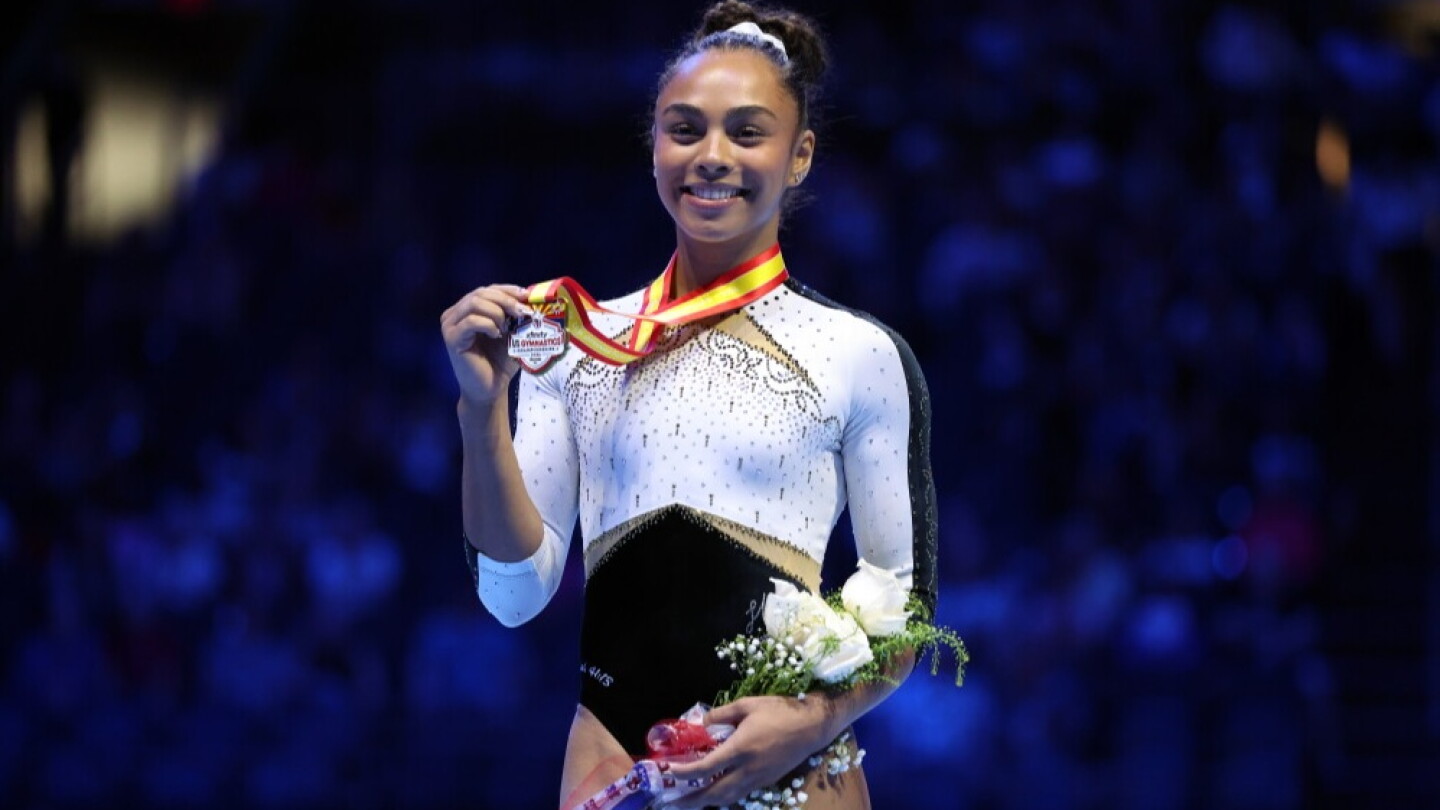
Hezly Rivera all-around gymnastics champion: historic comeback
Hezly Rivera’s repeat national title is more than a score line. It is a signal that the teenager who once stood in the shadow of louder names is becoming the beam in America’s next Olympic rebuild.
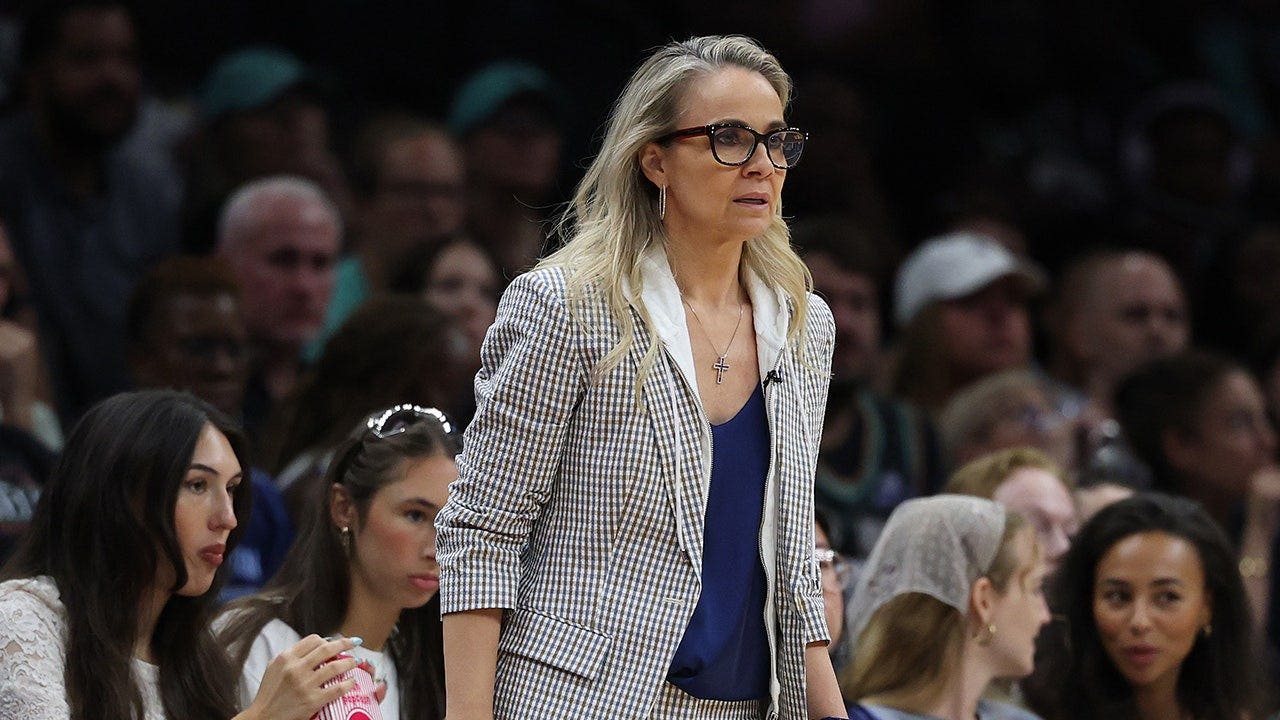
Aces Coach Becky Hammon Benches Starters in Liberty Game
Becky Hammon sat three starters, including A'ja Wilson, in a national TV game against the Liberty. The message was loud: the schedule is asking too much.
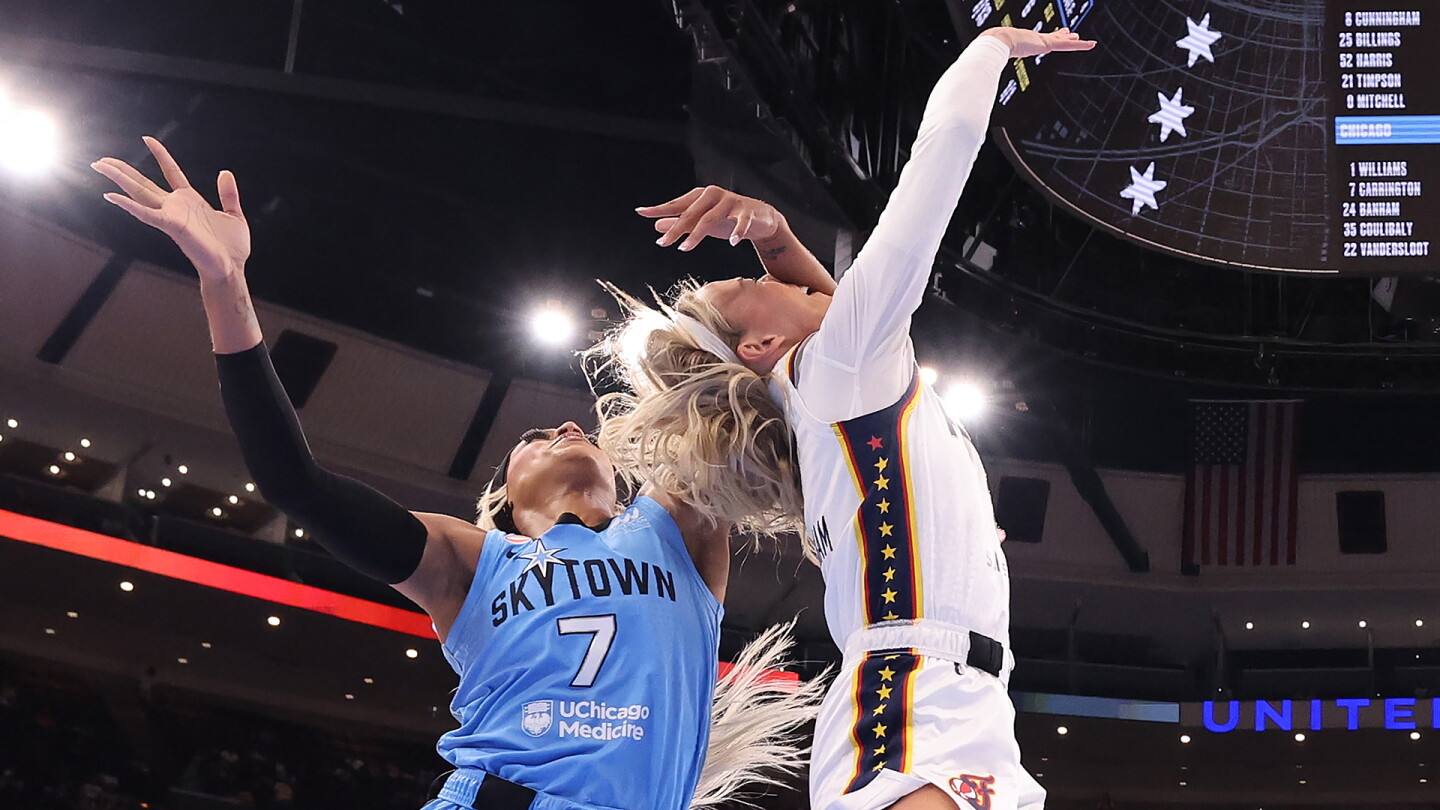
WNBA narratives: Sue Bird and Cheryl Miller on Sophie Cunningham
Sue Bird and Cheryl Miller didn’t just react to one foul. They cut straight into the WNBA’s wider narrative machine — and who gets protected by it.