
Sophie Cunningham WNBA Transgender Row: Rules, Rights, and Heat
A messy league fight turns into a bigger test of who gets to set the line.
 Leo Lupo5 min read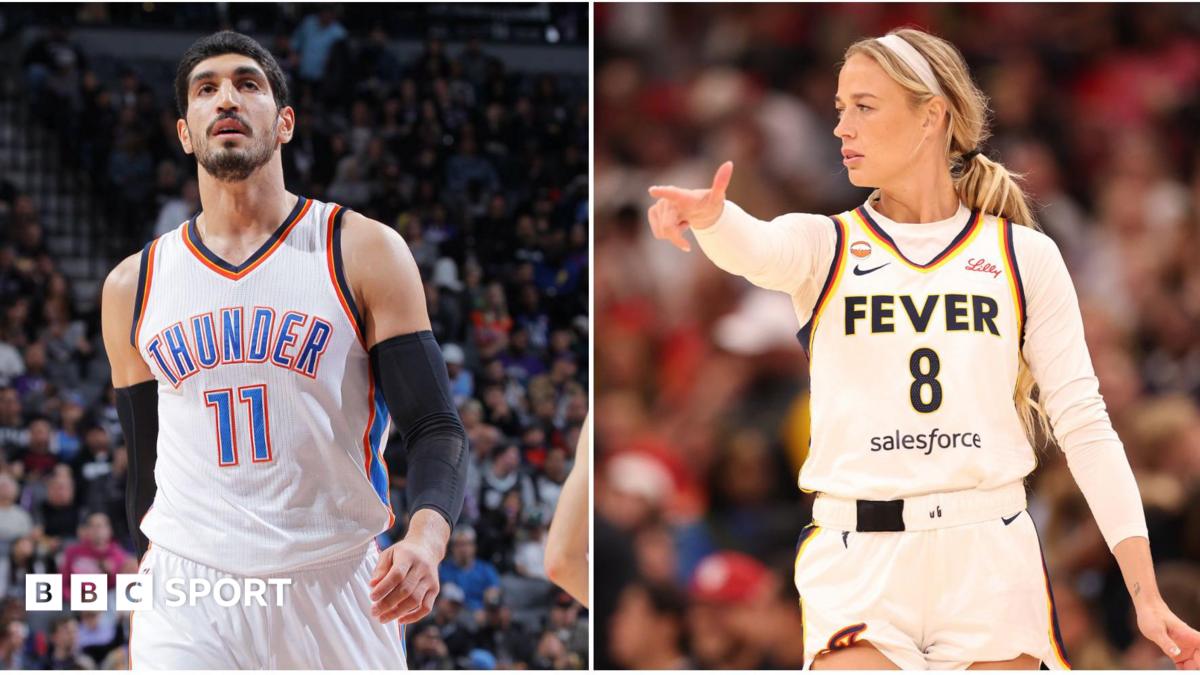
Sophie Cunningham lit the match, and the league felt the smoke
Sophie Cunningham didn’t just toss out a throwaway line and move on. She kicked a hornet’s nest and left the rest of the WNBA to deal with the buzz. Her “common sense” remark about banning transgender women from women’s sports pushed an already combustible debate straight into the league’s daily bloodstream, where basketball, politics, labor rules, and plain old public sentiment all start elbowing each other in the ribs.
This isn’t some side alley squabble. The WNBA is a professional league with a collective bargaining agreement in place, and that means eligibility rules don’t get made by mood, mileage, or whichever player is loudest on a given day. They’re negotiated. They’re written down. And when people start talking about who can enter the WNBA Draft, the argument stops being abstract real fast.
Eligibility rules are not barstool philosophy
The row got hotter because former NBA voices jumped in and pointed to the legal and eligibility framework. That’s where this gets sticky. If the rules allow certain players to enter the 2027 Draft, then the league has a paperwork problem, not a slogan problem. If the rules don’t, then somebody needs to say so clearly and stop dancing around it like it’s a halftime show.
Too many sports debates get reduced to slogans before anybody bothers reading the fine print. In this case, the fine print matters more than the grandstanding. The WNBA and WNBPA negotiate the structure. The league can’t just wave a wand because a player, ex-player, or internet tough guy wants a cleaner headline. Labor agreements exist for a reason. They keep the thing from turning into a free-for-all every time somebody gets offended on social media.
And if you think this is only about one league, you’re not paying attention. Every pro sport is dragging around this same argument in one form or another. The NCAA has wrestled with it. International federations have wrestled with it. The WNBA just happens to be the latest place where the arguments got loud enough to rattle the locker-room door.
This isn’t about one comment anymore. It’s about who gets to write the rules after the shouting stops.
Cunningham’s comment hit a league already under a microscope
Cunningham plays for the Indiana Fever, a team that already draws a spotlight bright enough to fry an egg on the sidewalk. Toss in a controversy like this and every camera in the joint starts swiveling. That’s the burden in modern sports: one sharp remark and the whole operation is suddenly expected to have a master plan, a moral stance, and a media script by lunchtime.
I’ve seen plenty of leagues try to dodge hard questions by pretending the storm will pass. It doesn’t. It just changes shape. Back in the day, teams could stash their mess behind a locker-room door and hope the beat writers got sleepy. Not anymore. Now one comment travels faster than a two-for-one fast break, and the reply comes from ex-players, activists, lawyers, and fans who all think they’re the commissioner.
The problem for Cunningham is not that she has an opinion. Everybody has one, and most of them show up uninvited. The problem is that the second you frame this issue as “common sense,” you imply the other side is stupid, dishonest, or both. That’s not debate. That’s pouring gas on a kitchen fire and acting surprised when the curtains catch.
Why the 2027 Draft talk changes the temperature
The draft angle is what makes this more than a noisy quote cycle. Draft eligibility is where abstract policy becomes concrete opportunity. That means future players, current players, and the league office all have a real stake in how this gets handled. The debate is no longer just about identity or ideology. It’s about access, timing, and the actual pathway into the league.
If former NBA players are saying eligibility rules could allow transgender women into the 2027 Draft, that suggests the issue is not settled cleanly enough for anybody pretending to be comfortable. The WNBA will have to decide whether it wants a reactive posture or a documented standard. Reactive gets you headlines. Standards get you through a season without tripping over your own shoelaces.
And let’s not kid ourselves: whatever side people land on, they want consistency. Players want to know the rules before they lace up. Teams want to know before they invest. Fans want to know before they start arguing in the parking lot. The league owes them that much, even if half the audience hates the final answer.
My read: the league needs clarity, not theatrics
I’ve covered enough sports to know this much: the crowd always wants a moral clean room, but pro sports lives in a mud room. There are bodies, contracts, politics, gate receipts, sponsors, and humans with feelings all jammed into one small space. Pretending the WNBA can smile through this and let the noise sort itself out is nonsense.
What matters now is whether the league and the WNBA Players Association can put a clear policy in front of everybody before the next flare-up. Not a whisper campaign. Not a half-answer designed to make everybody mad in equal measure. A real rule. If the league wants to be taken seriously, it has to govern like it.
I’ll say this from the old-school perch: sports can survive disagreement. What it can’t survive is muddle. Once a league looks like it’s making rules by eyeballing the temperature outside, it loses the room. Fans may not like the answer, but they’ll respect a straight one. Usually. Sometimes. On a good day.
What to watch next
The next move belongs to the league office and the union, not the quote machine. Watch for any official language on eligibility, medical standards, or draft procedures. Watch whether players start speaking more carefully now that the issue has teeth. And watch whether the WNBA treats this like a one-day dustup or a policy problem that needs adult supervision.
The ball is in the league’s hands now. The smart play is simple: stop the fog, write the rule, and let everybody read from the same page.
More from Straight From The Bench
Comments
Join the conversation — sign in to leave a comment.
Sign in to commentRelated Stories
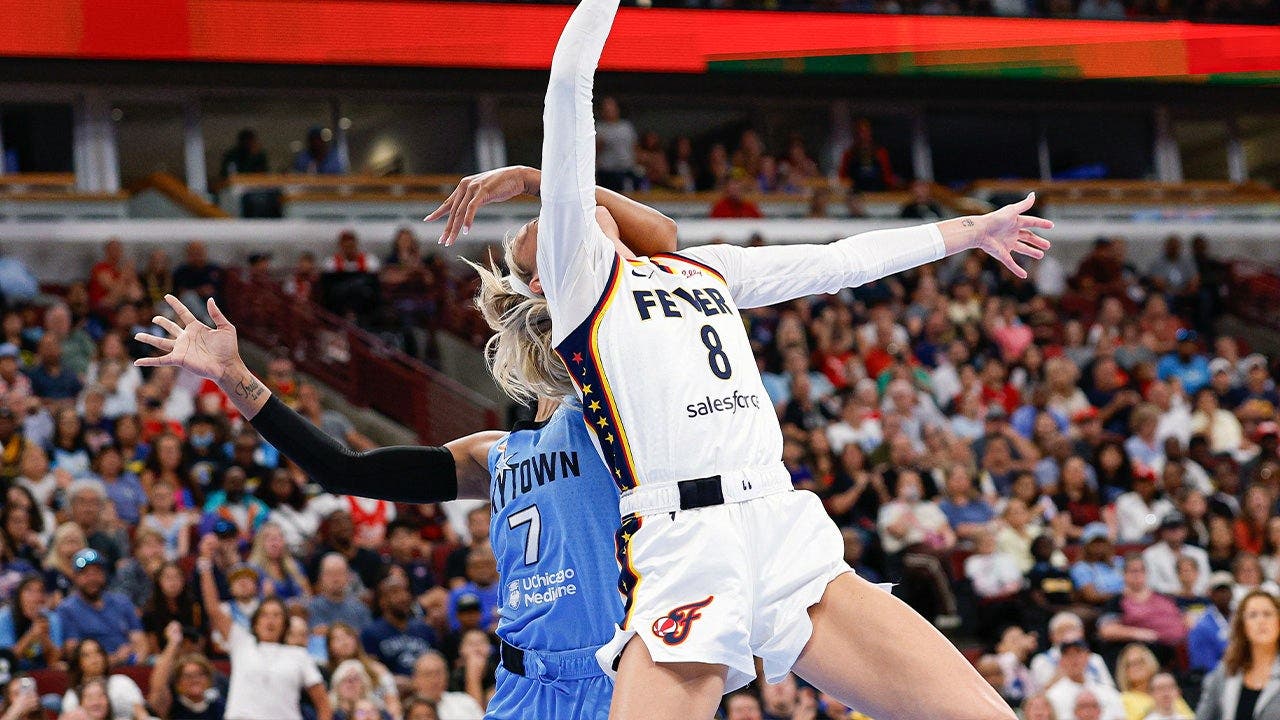
DiJonai Carrington and Sophie Cunningham: media reaction fallout
DiJonai Carrington’s ejection lit the fuse. The bigger story is how fast the conversation turned into a referendum on race, media, and credibility.
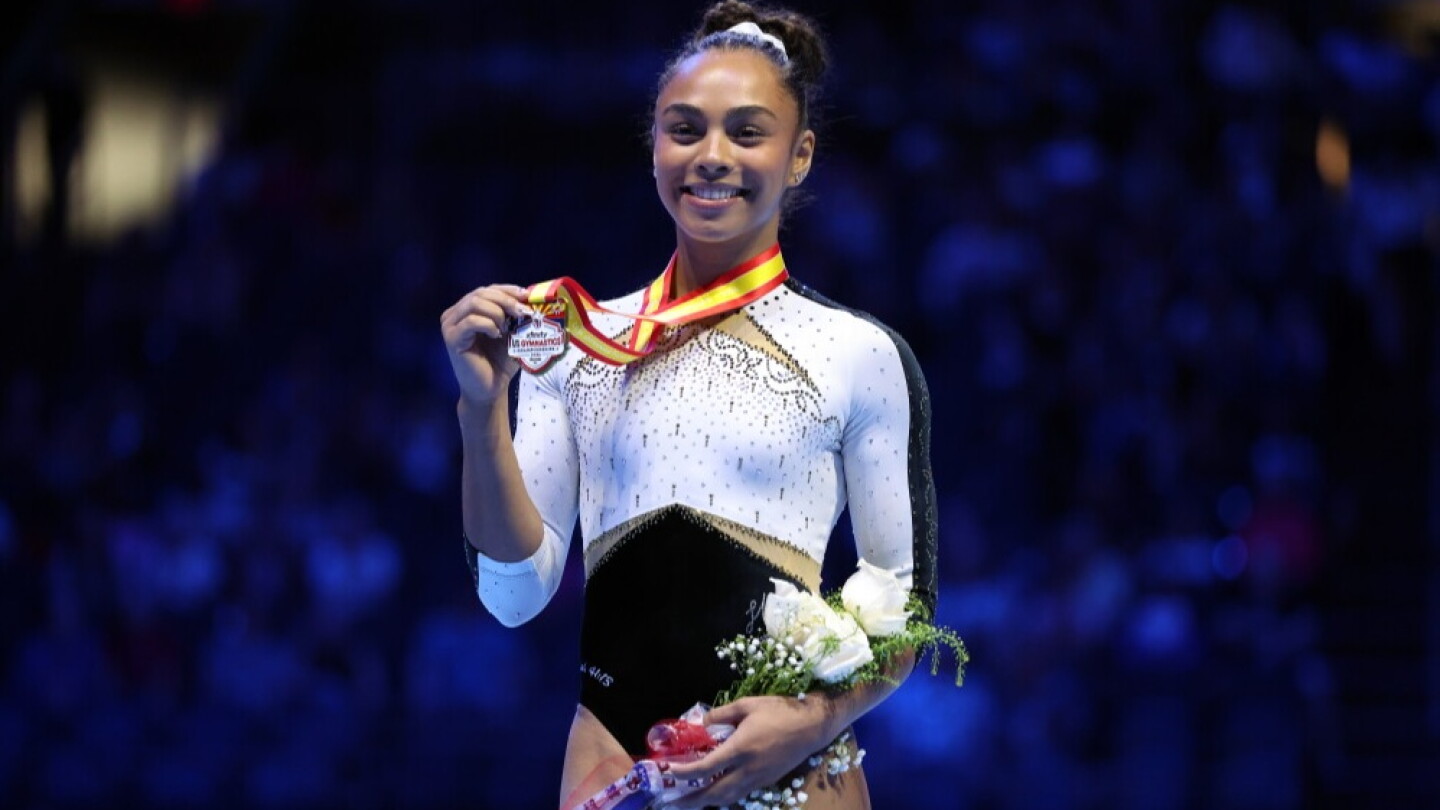
Hezly Rivera all-around gymnastics champion: historic comeback
Hezly Rivera’s repeat national title is more than a score line. It is a signal that the teenager who once stood in the shadow of louder names is becoming the beam in America’s next Olympic rebuild.
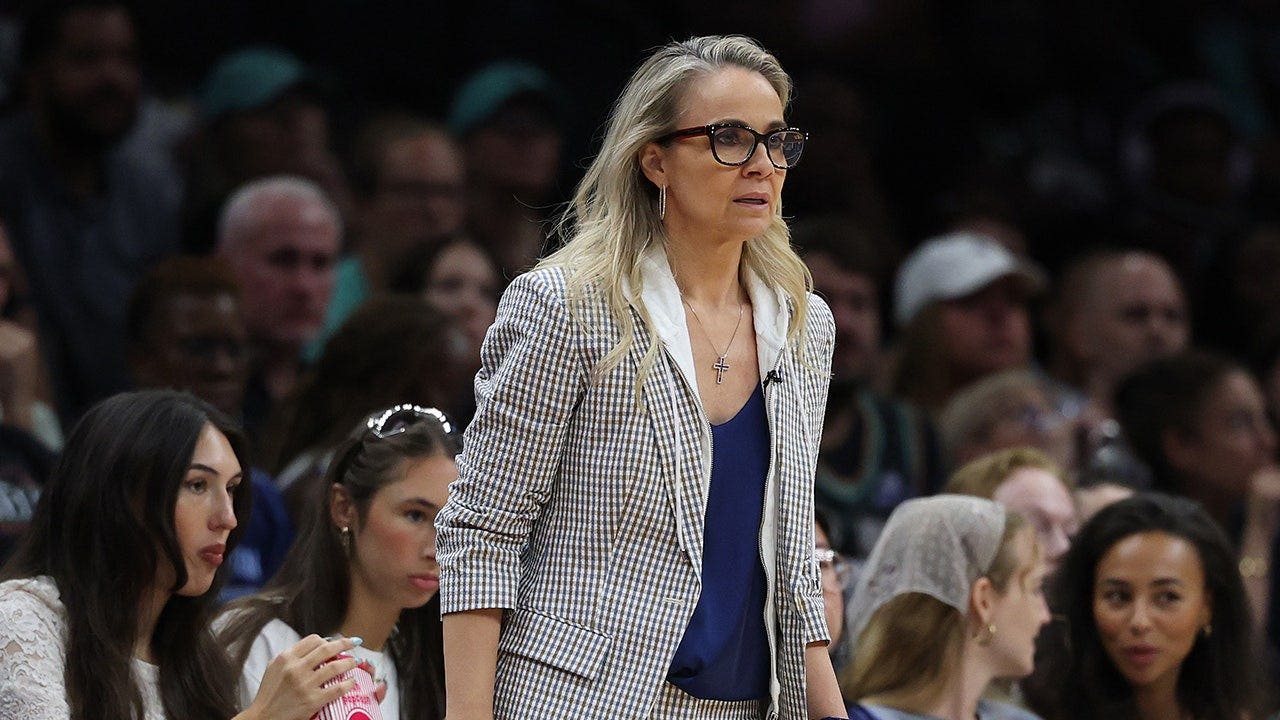
Aces Coach Becky Hammon Benches Starters in Liberty Game
Becky Hammon sat three starters, including A'ja Wilson, in a national TV game against the Liberty. The message was loud: the schedule is asking too much.