
Spain World Cup Prize Money Tax: IRS Could Take 30%
The trophy tour’s over. Now comes the part nobody puts on the poster.
 Leo Lupo5 min read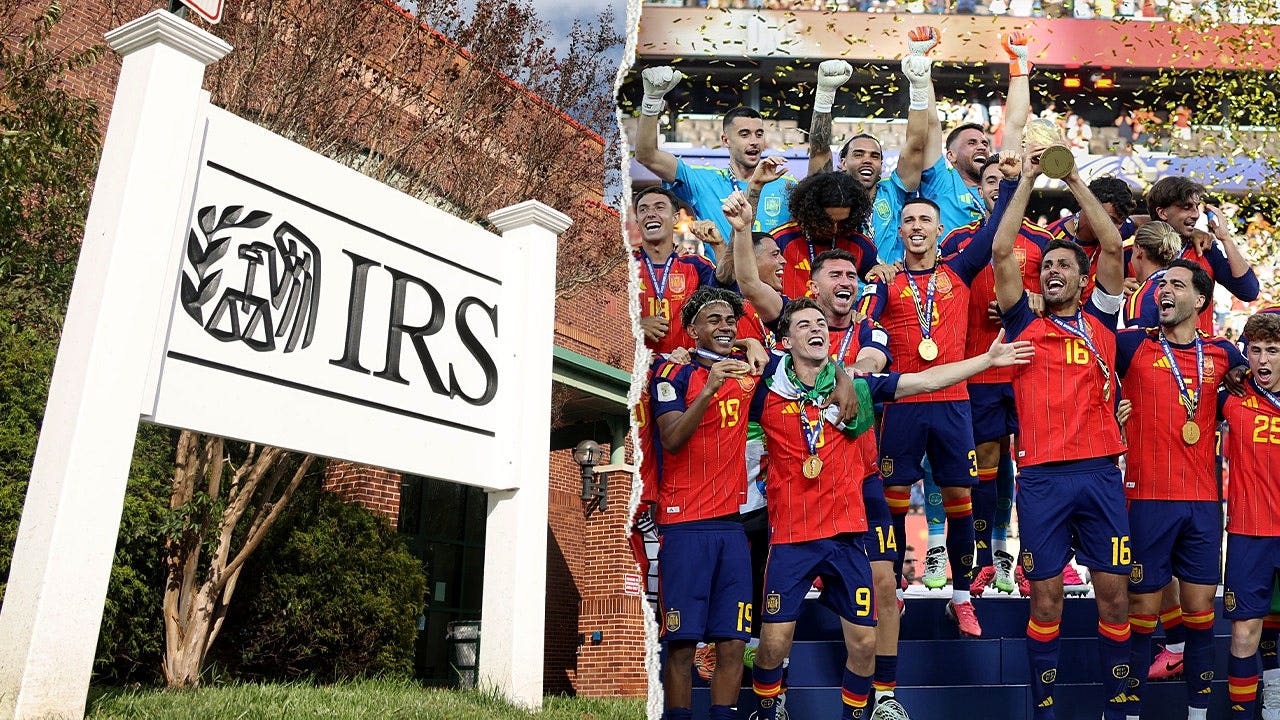
Spain’s prize money meets the tax man
Spain won the gold, the glory, and the giant check. Now the IRS wants its cut. That’s the ugly little wrinkle here: a reported $50 million World Cup prize could face federal withholding of up to 30% because nonresident foreign athletes earning money in the United States get treated like, well, nonresident foreign athletes earning money in the United States.
That may not sound like breaking news to a tax lawyer in a gray suit, but to the folks who think tournament winnings are handed over in a velvet sack with no strings attached, it lands like a boot to the shin. Soccer loves to sell the dream. The flags, the fireworks, the handshakes, the confetti. The tax code does not care about any of that. It’s just paperwork with teeth.
Spain’s haul from the FIFA World Cup is substantial money by any measure. Still, the notion that a chunk could be vacuumed up by federal withholding is the kind of detail that turns celebration into accounting. And no, this isn’t some exotic scandal cooked up by the peanut gallery. It’s standard enough that teams and federations have to plan for it. But standard does not mean painless.
The parade ends where the withholding form begins.
Why the IRS sees this as a U.S. source payday
Here’s the part that matters. When a foreign team earns prize money tied to an event staged in America, the money can fall under U.S. tax rules. That does not mean Spain gets robbed blind. It means the government may withhold a slice up front, with the final tax bill depending on treaties, filings, and the exact structure of the payment. Boring stuff, sure. Also the stuff that decides whether a nation pockets $50 million or something a whole lot softer.
The United States has long treated imported sporting spectacle like other income that passes through its borders. If the event is hosted here, the tax collector notices. Always has. Athletes and federations have been dealing with that mess for decades, whether it’s tennis in New York, golf in Florida, or a one-off international bonanza that prints money and then loses some of it to Uncle Sam.
That is the part casual fans miss. The trophy is one thing. The ledger is another. And in international sports, the ledger usually wins more rounds than the highlights package does.
Spain still gets the shine, but the numbers matter
Nobody should pretend this changes the headline on the pitch. Spain are still the reigning champions, and that matters in the way cash matters: it confirms status, buys development, and keeps the machine humming. A federation can do plenty with $50 million, even after taxes. Youth programs. Coaching. Travel. Infrastructure. The real use of prize money is not champagne. It’s the plumbing.
But the percentage matters because international soccer runs on margins a lot tighter than people think. Federations love the optics of a big World Cup payout, yet plenty of them are operating with the kind of budgeting that would make a small-town newspaper office blush. Lose 30% off the top and you’re not just trimming fat. You’re changing what can be financed, when it gets financed, and who gets told to wait.
This is also a reminder that FIFA makes a global show, but the host country keeps the local rules. That’s the bargain. Big event, local law. You want the stage, you take the stage manager too. Sometimes the stage manager wears a tie and carries a tax form.
The bigger lesson for international teams
I’ve covered enough sports to know people only notice taxes when somebody famous gets clipped by them. Then everybody acts shocked, as if cross-border income arrived from the heavens without a receipt. It didn’t. Sports has always been a business first, no matter how many anthems they play before kickoff.
What this really signals is how much modern international competition lives inside a bureaucratic net. Teams, federations, sponsors, broadcasters, all of it. The money moves through layers. The layers have rules. The rules are enforced by people who do not care if the team just won the whole damned thing. That’s not cynicism. That’s the machinery.
I’ll say this plain: if Spain’s federation didn’t already have its tax people on this, somebody should start checking the coffee budget for a pulse. These giant tournament checks are not ancient treasure; they are taxable income with better branding. And if you think that’s cold, welcome to the club. Sports has always had a romance on the surface and a brass knuckle in the fine print.
What to watch next from here
The real question now is whether the final hit ends up near the top end of that reported withholding, or whether treaty language and accounting details soften it. That’s where the lawyers earn their lunch. If the issue grows legs, expect other national federations to study it closely, because nobody likes finding out after the fact that a victory lap came with a federal invoice.
For fans, the lesson is simple. The trophy case gets the glamour shot. The tax return gets the last word. And if you want more proof that sports and the business of sports are never really separate, take a look back at the way the Miami Heat and other big-money operations get scrutinized over the smallest administrative slip. Different sport, same truth: money invites attention, and attention always comes with a bill.
Spain earned the title. Nobody can tax that part. But the check? That’s another story, and it’s not a pretty one. Watch the filings, because the number left after the dust settles will tell us a lot more than the celebration photos do.
More from Straight From The Bench
Comments
Join the conversation — sign in to leave a comment.
Sign in to commentRelated Stories
World Cup final TV ratings: 62.8M U.S. viewers set record
A record U.S. audience for the World Cup final changes the negotiation table. Spain, Argentina, and the broadcast business all just gained leverage.

Spain World Cup Final Ratings: Most-Watched Soccer Telecast Ever
Spain’s win over Argentina didn’t just crown a champion. It pulled 38.937 million viewers on Fox and rewrote the U.S. soccer TV record book.
Spain World Cup Champions Return Home for Madrid Royal Parade
Spain’s World Cup winners landed to royal applause and a Madrid parade, a proper homecoming for a team that turned a summer into a nation’s memory.