
Heat LeBron James Press Conference Link Mistake Reveals Bigger Stakes
A stray stream link, a giant name, and the old lure of one more chase.
 Beatrice Kensington6 min read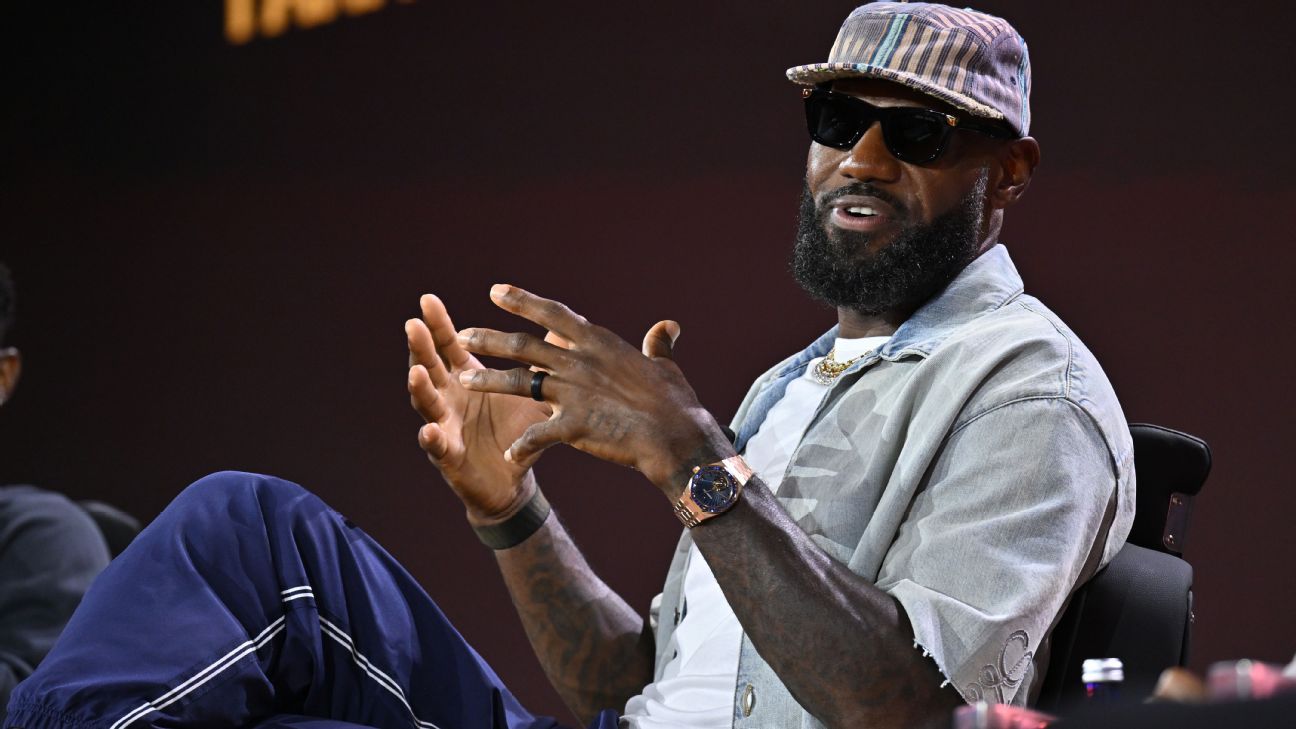
A stray link, and the old thunder returns
The Miami Heat did not announce a signing, and they did not accidentally summon a time machine. What they did was post a scheduled YouTube stream labeled “LeBron James Introductory Press Conference” with a July 27 date, then explain that the link had been created while preparing for the possibility of James signing and went live by mistake. In the modern sports economy, that is enough to kick open a storm door. The name alone does the work. It always has.
The screwup was small in the mechanical sense and enormous in the emotional one. LeBron James is not merely a player; he is a gravitational field. His presence bends attention, memory, commerce and vanity. A stray link attached to his name can ignite a thousand fan theories before a team staffer has time to breathe. That is the price of living in the long shadow of a star whose previous Heat chapter changed the temperature of the sport itself.
Why this mistake landed like a flare
This was not a contract report. It was not a tease from a rogue insider. It was a scheduling artifact, the digital equivalent of finding the lights already on in a house you had not yet sold. Still, the reaction makes sense, because the Heat and LeBron James remain welded together in the league’s imagination by four Finals trips, two championships and a narrative so dense it can still trap dust years later.
Miami understands better than most franchises that nostalgia is a business asset, and also a liability. Every time the Heat come near James in the public conversation, the league’s old coalition of memory and fantasy begins to hum. The team’s 2010 decision to build around stars reshaped the sport; the aftermath taught everyone that superstar movement could be theater, not just transaction. So when a link appears carrying his name, even by mistake, the room fills instantly.
The mistake also says something about how teams now stage their contingencies in public view. A scheduled livestream is not a rumor; it is infrastructure. Front offices prepare for a dozen possible futures at once, because modern roster building is part basketball, part legal brief, part performance art. The problem is that the internet treats preparation like prophecy.
In the age of algorithmic rumor, a mislabeled link can feel more authoritative than a carefully worded denial.
The Heat, the legend, and the appetite for a sequel
Miami fans know the old song by heart. They know what James looked like in red and black, how the arena responded to him, how the city wrapped itself around a title chase with the fervor of a place trying to become a destination and a dynasty at once. That history still lingers in the seams of the franchise, and it is why this odd little mistake traveled so quickly.
There is also a practical truth beneath the noise: the NBA is a league that trades as much on narrative arcs as on box scores. A potential James return would not simply be a roster event; it would be a cultural event, a late-career chapter with the scale of a sequel no one can fully believe but everyone is willing to buy a ticket for. The Heat know that. So does the public. That shared awareness is what turned a clerical error into bait.
If you want the coldest read, this is not evidence of an imminent reunion. It is evidence that Miami is alive to possibilities, however remote, and that James remains the kind of figure for whom teams leave doors cracked, just in case history wants another scene.
What it means for Miami’s present, not just its past
The more interesting part of this episode is not whether James is coming back. It is how easily the Heat’s present was briefly overshadowed by a ghost. That is not a flattering position for any organization trying to build credibility around the next generation. Every accidental callback to a former titan risks reminding the fan base that the current roster exists in comparison to a standard set years ago.
And yet this is the burden of successful franchises. They are judged not only on the players they have, but on the legends they keep inviting back into the conversation. The Heat have spent much of their modern life proving that culture matters. Culture, though, can become a museum if the team is not careful. A mislabeled livestream is harmless on paper; in the public imagination, it can feel like the exhibit lights flickered on.
I think that is why this story drew such quick fascination. It was not really about a link. It was about desire — the league’s, the city’s, the fan base’s, and maybe James’s own carefully managed aura, which still makes every administrative whisper feel like a possible announcement. My read is simple: this was less a clue than a mirror. It reflected how much the basketball world still wants one more Miami chapter from a player who has spent years making every setting feel historically charged.
I have watched enough of these late-career star chases to know the pattern. Once a player’s legend reaches a certain altitude, rumor stops being a nuisance and becomes part of the weather. The Miami Heat LeBron James presser mistake is not a signpost on the road to a signing; it is a reminder that in the NBA, the past never fully leaves the building. It only waits for a bad upload.
The real lesson: control the story before the story controls you
What should Miami do now? The answer is less about James than about discipline. Teams in 2026 live under constant scrutiny, and every accidental digital breadcrumb will be treated like a séance. If you are going to keep possibility open, you must also keep your messaging tighter than this. Otherwise, the audience writes your script for you.
The Heat do not need to chase every gravitational tug from their old empire. They need to protect the integrity of whatever comes next. Perhaps that means a quieter approach to contingency planning. Perhaps it means fewer public artifacts that can be mistaken for prophecy. Certainly it means understanding that in the attention economy, even a misnamed link can become front-page folklore.
For now, this is a laugh, a flurry, a brief reminder of how much power James still carries in South Florida. But the deeper truth sits beneath the joke. Miami’s past is so luminous that it can still cast a shadow on the present.
And shadows, in this league, are never entirely empty.
More from Straight From The Bench
Comments
Join the conversation — sign in to leave a comment.
Sign in to commentRelated Stories
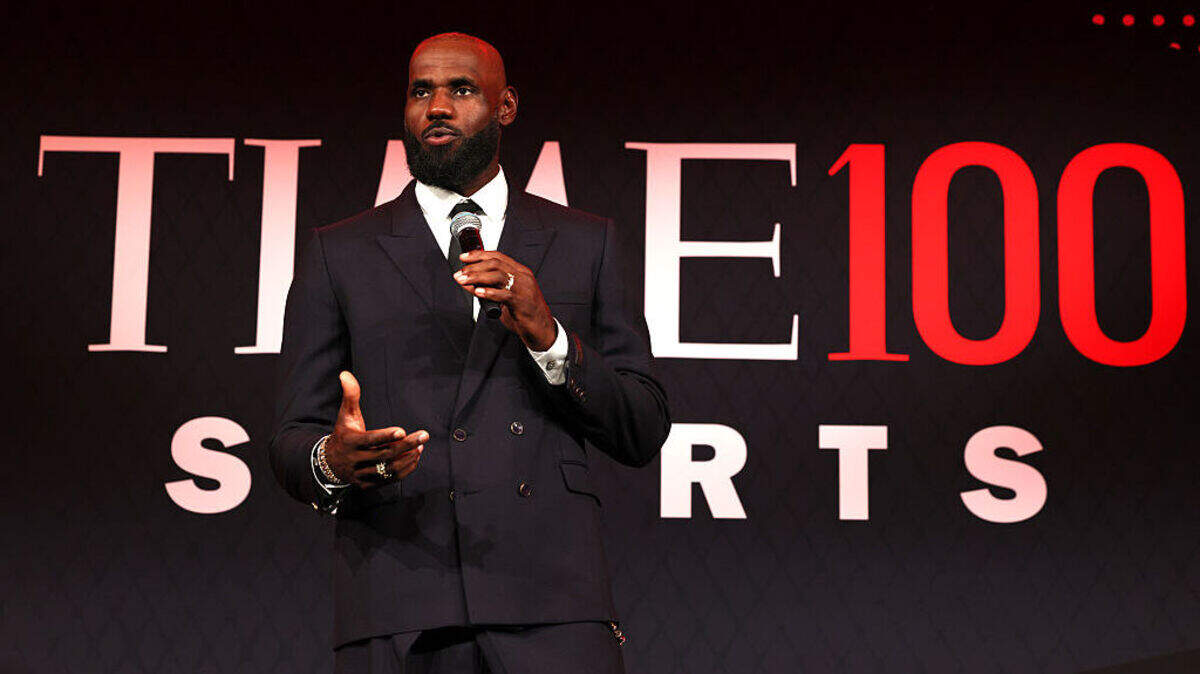
Miami Heat LeBron James Press Conference Link Mistake Stirs Frenzy
A test link from the Heat’s social team lit up the internet during LeBron watch. It was a harmless mistake, but it showed how jumpy everybody’s become.
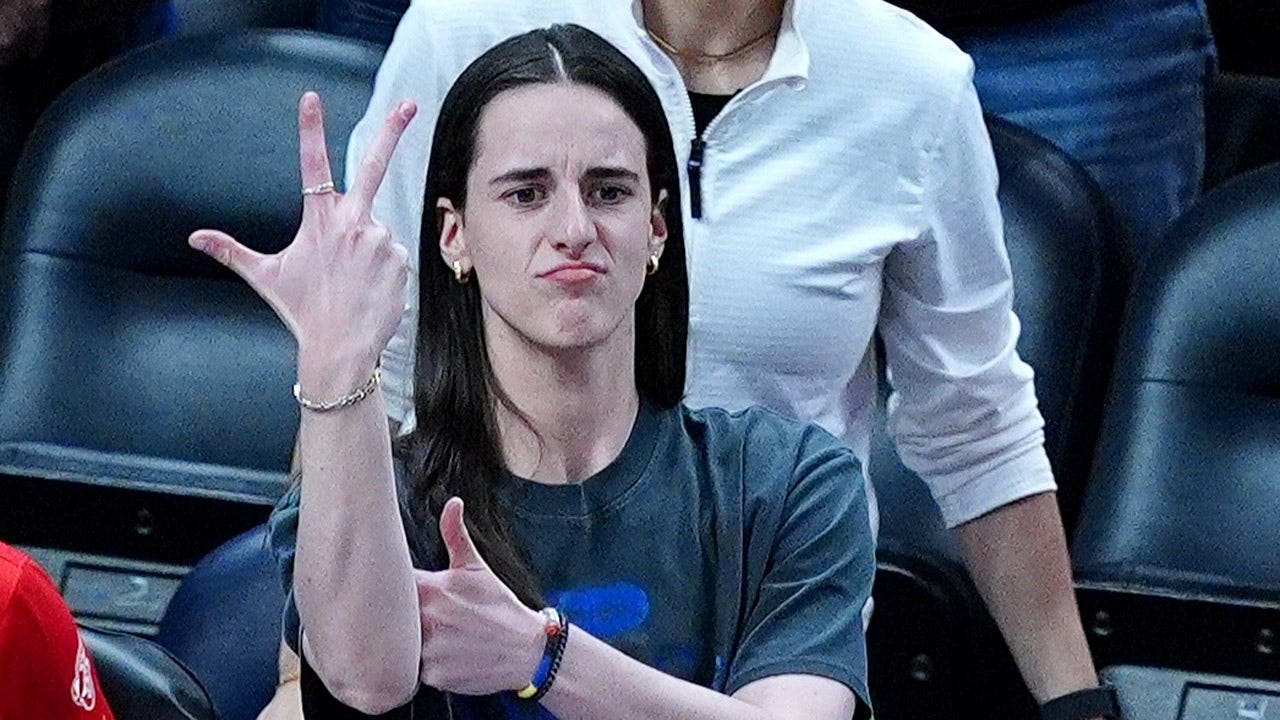
Caitlin Clark WNBA 3-Point Contest: Decline Shakes All-Star Weekend
Caitlin Clark’s decision to pass on the WNBA 3-Point Contest is bigger than one empty spot. It dents an All-Star Weekend the league hoped would orbit her gravity.
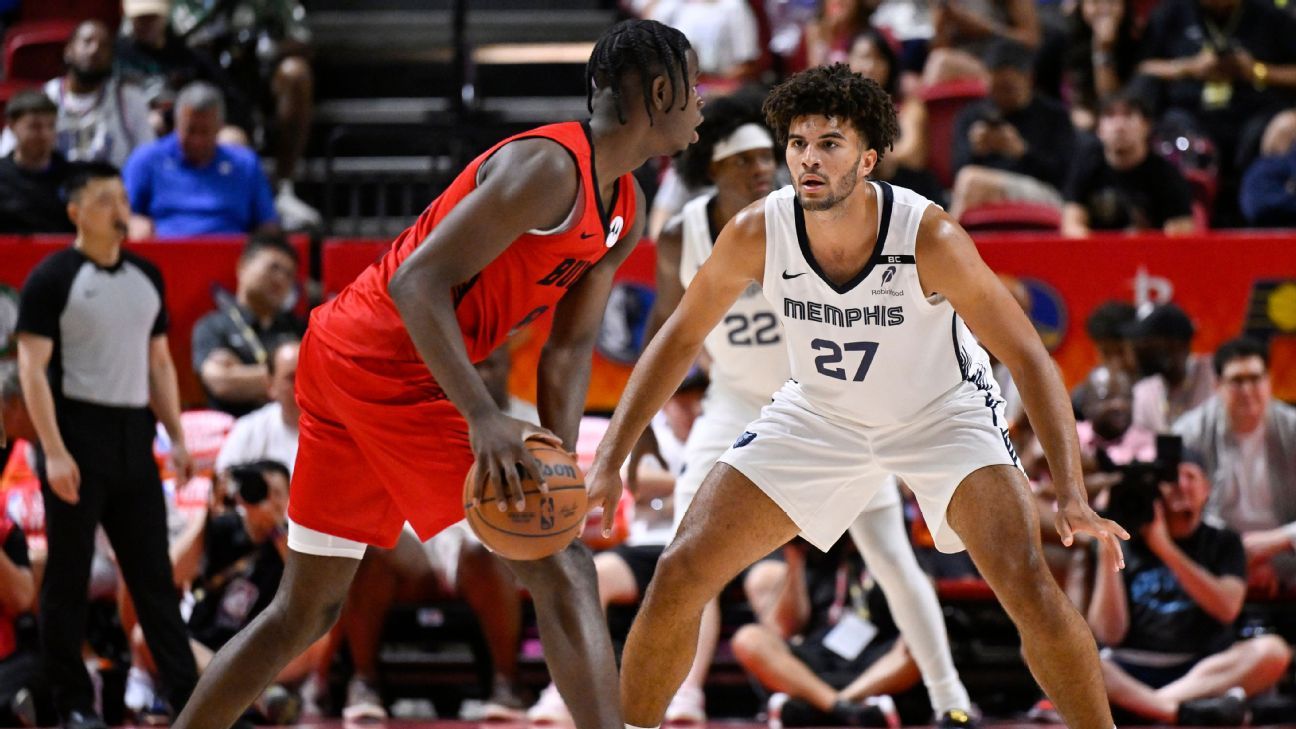
NBA Summer League: 10 players who stood out in Las Vegas
Las Vegas gave the NBA its first real look at this year’s top lottery class and a few unexpected names. The early read: some stock is rising fast, and some front offices have homework to do.