
Suni Lee Gymnastics Return: Six-Time Medalist Eyes LA 2028
A champion walks back toward the beam, and the sport gets its pulse again.
 Beatrice Kensington6 min read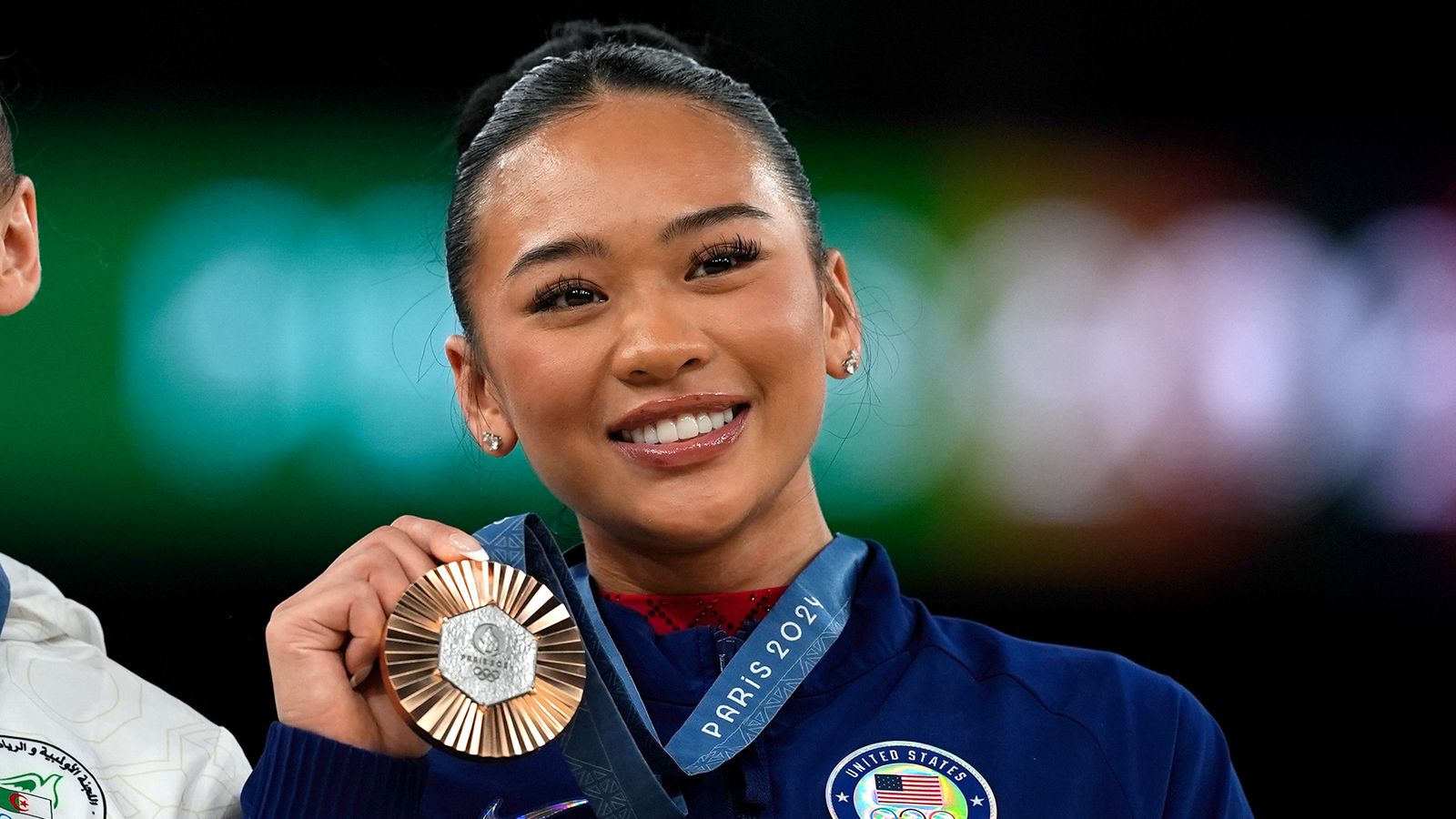
Suni Lee has never been merely a gymnast. She has been, at different moments, a prodigy, an Olympic savior, a comeback story in motion, and a reminder that grace is often forged under the hardest possible lighting. Now, at 23, the six-time Olympic medalist says she is returning to competitive gymnastics, and the news lands like the opening clap of a familiar song: the body remembers, the crowd leans in, and the apparatuses wait.
Two years out from the Los Angeles Olympics, this is more than a personal decision. It is a signal flare for a women’s gymnastics program that has spent years balancing brilliance with strain, youth with longevity, and spectacle with a harder conversation about what the sport asks of its athletes. Lee’s return tells us she believes there is still something left to chase. That matters. It matters in the quiet, complicated way that elite comebacks always do.
The return itself is the story, but not the whole story
Lee’s announcement, made in a video on her Instagram, carried the kind of emotional shorthand only a true star can command. We did not need a long statement to understand the meaning. The clips from her past, the suggestion of a fresh start, the unmistakable message that she is stepping back toward competition — all of it points to a woman who has decided that her gymnastics story was not finished when most athletes would have assumed it was.
And perhaps that is the most compelling part. In a sport that so often treats athletes as temporary wonders, Lee is asserting endurance. She has already lived a lifetime’s worth of pressure, from her Tokyo 2020 all-around triumph to the expectations that followed. Returning now is not merely a bid for another medal. It is a reclamation of agency.
The calendar helps her case. With Los Angeles on the horizon, she has a runway that is both merciful and unforgiving: enough time to rebuild strength, enough time for the body to argue back. Those two years will be a negotiation between ambition and anatomy.
Why Suni Lee still matters to gymnastics
Lee’s value has never been confined to the numbers in a medal count, though the numbers are dazzling enough. She widened the sport’s emotional vocabulary. She showed that an all-around champion could look like resilience rather than invincibility, and that a gymnast’s greatness does not have to arrive wearing the same face the system used to prefer.
That is one reason her return resonates beyond the usual comeback chatter. Women’s gymnastics has been changing, slowly and sometimes painfully, as athletes live longer in public view and demand fuller careers. Lee belongs to that evolution. So does the idea that a gymnast can take time, step away, heal, and still come back with legitimate Olympic aspirations intact.
The sport needs stories like hers because the sport has long been prone to chewing through its brightest stars. We have seen too many young women exit at the very moment they become the face of the discipline. Lee, thankfully, is pushing against that old script. She is not asking permission to stay relevant.
Suni Lee’s comeback is not nostalgia. It is a challenge to the sport’s old habit of treating peak brilliance like a disposable thing.
What this means for the U.S. Olympic picture
For the U.S. program, Lee’s return deepens what was already shaping up to be a fascinating race toward 2028. The national team is no longer built around one singular image of excellence; it is a crowded, shifting room with veterans, rising talent, and a deeper bench than the sport once imagined possible. Lee adds something rare to that mix: proven Olympic composure.
That kind of steadiness cannot be taught in a camp. It is earned in the furnace, when the lights are too bright and the margin for error is thin enough to cut. If Lee can get back to a competitive floor, she gives the United States another veteran stabilizer, someone who knows how to survive the pageantry without surrendering to it.
There is also the matter of inspiration, which in sports can be oversold but not dismissed. Younger gymnasts will watch this. They will read the subtext whether anyone says it aloud or not: your career does not have to end the moment you are no longer the freshest thing in the room. That is a powerful message in a discipline where youth is so often treated like destiny.
The road back will ask for patience, not romance
I have always believed the public romanticizes comebacks because they let us pretend time is reversible. It is not. A return to elite gymnastics is not a cinematic montage. It is repetition, soreness, conditioning, discipline, and the private annoyance of rebuilding muscle memory one stubborn detail at a time.
Lee knows this better than anyone. She has already carried the burden of being exceptional early, and she has already lived through the hard arithmetic of remaining healthy enough to keep going. Her challenge now is not simply to train; it is to withstand the long middle of the process, when novelty fades and the work becomes ordinary. That is where comebacks are truly won.
I find this turn admirable precisely because it refuses sentimentality. Lee is not returning to wave at a crowd and collect applause for surviving. She is returning to compete. In a culture that often confuses visibility with accomplishment, that distinction feels wonderfully old-fashioned.
The comparison that comes to mind is not one of spectacle, but of craft. Great gymnasts, like great pianists or great surgeons, live in the realm where precision is both art and burden. Lee has already proven she can perform when the world is watching. The question now is whether she can shape a new version of herself without losing the fearlessness that made her singular in the first place.
Los Angeles will feel different if she gets there
If Lee makes it to the 2028 Summer Olympics, the atmosphere around those Games changes. Not because one athlete can define an entire Olympic cycle, but because certain names carry weather with them. Suni Lee is one of those names. Her presence would sharpen the narrative, deepen the emotional stakes, and remind everyone that gymnastics is at its best when it is not only about who is youngest, but who can keep finding a path forward.
The next chapter is not guaranteed. No comeback ever is. But the intention alone is worth something in a sport that often punishes long memory. Lee has chosen to remember herself as more than a finished story.
Now the long work begins. And gymnastics, which has missed her poise, will be watching closely.
More from Straight From The Bench
Comments
Join the conversation — sign in to leave a comment.
Sign in to commentRelated Stories
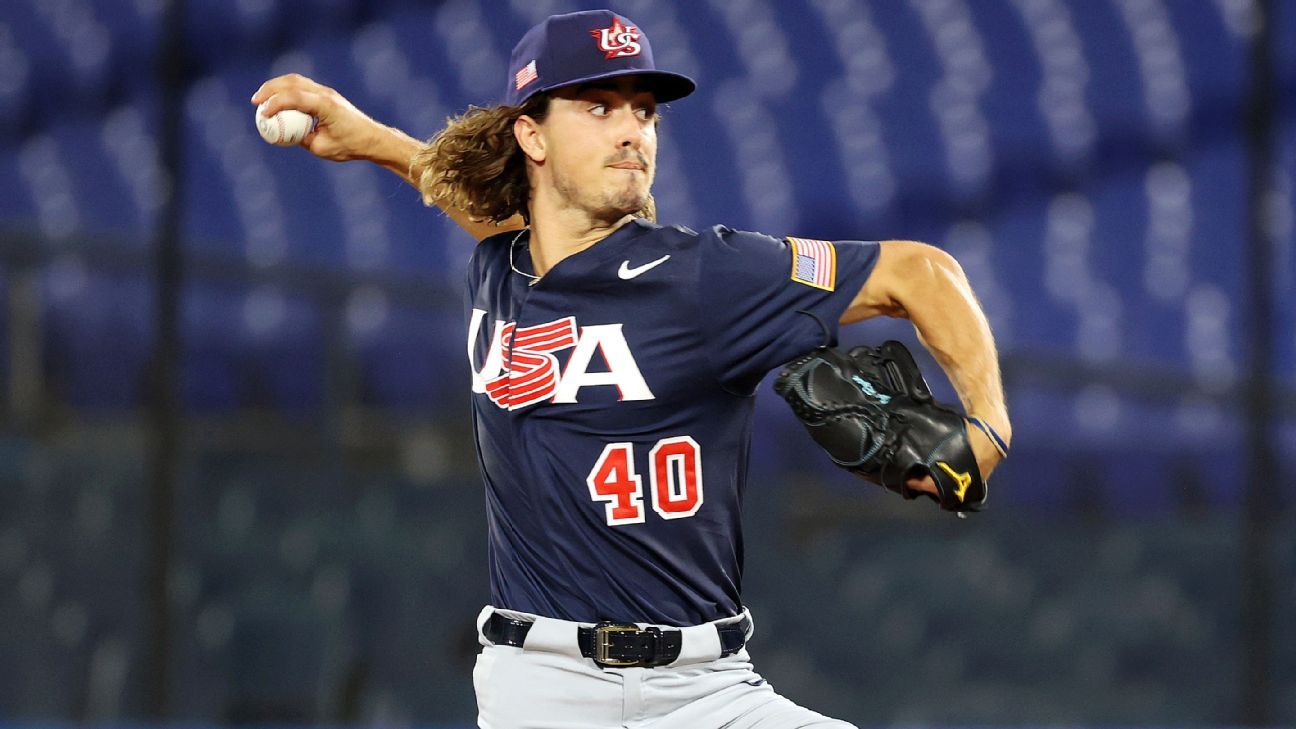
MLB Olympics 2028: tickets, rooms and union talks complicate plan
Owners are warming to Olympic baseball in 2028, but player logistics, labor concerns and calendar realities could still trip it up.
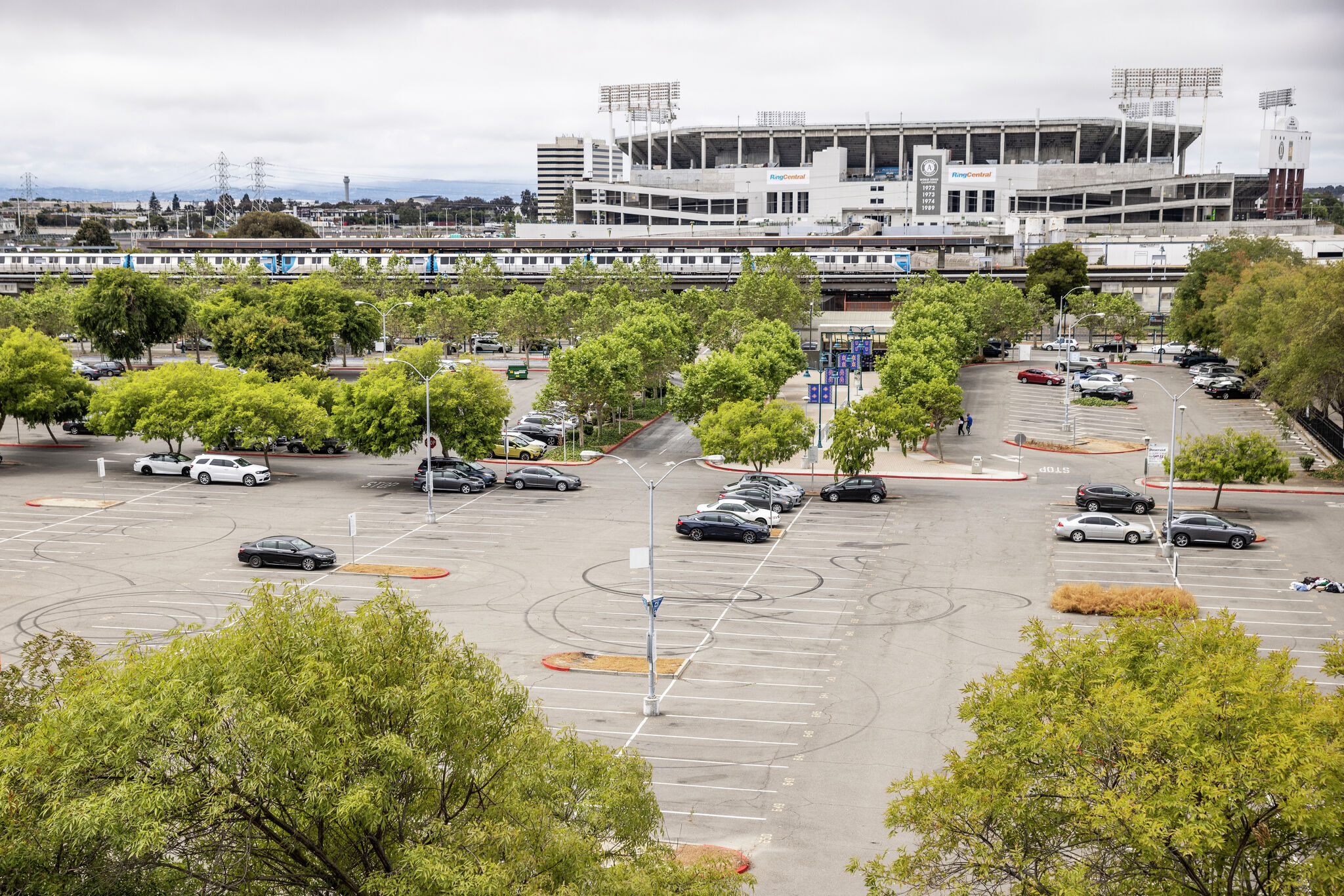
Oakland Coliseum Sale: City’s $125 Million Windfall Delayed
Oakland has agreed to sell its share of the Coliseum, but the money won’t arrive in any clean, immediate way. The deal is a lesson in municipal patience—and municipal pain.
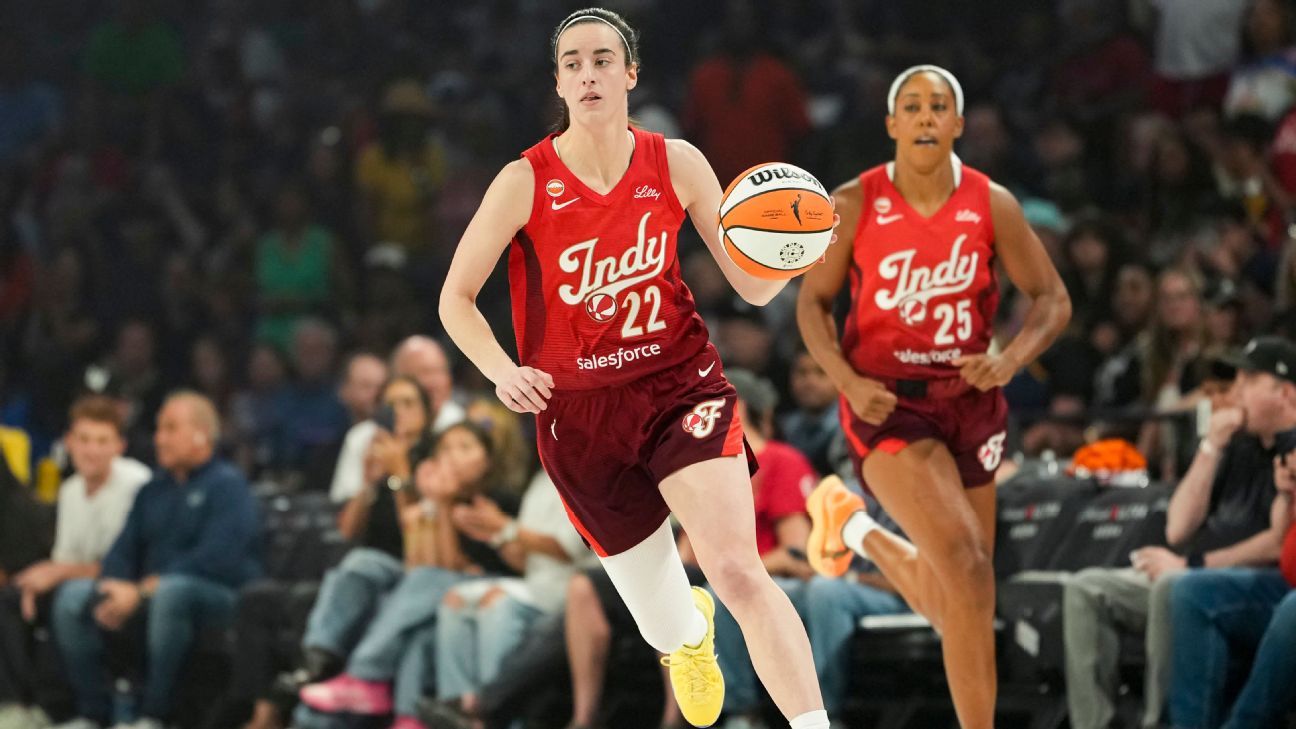
Fever vs Aces: Caitlin Clark, Indiana Torch Las Vegas Again
Indiana walked into Las Vegas and put another beatdown on the champs, with Caitlin Clark steady after the back issue and the Fever piling up points like they owned the place.