
Tarik Skubal Trade: Scott Harris Defends Tigers' Return
Detroit didn't blink late. Harris says the market for true aces never works that way.
 Zane Miller6 min read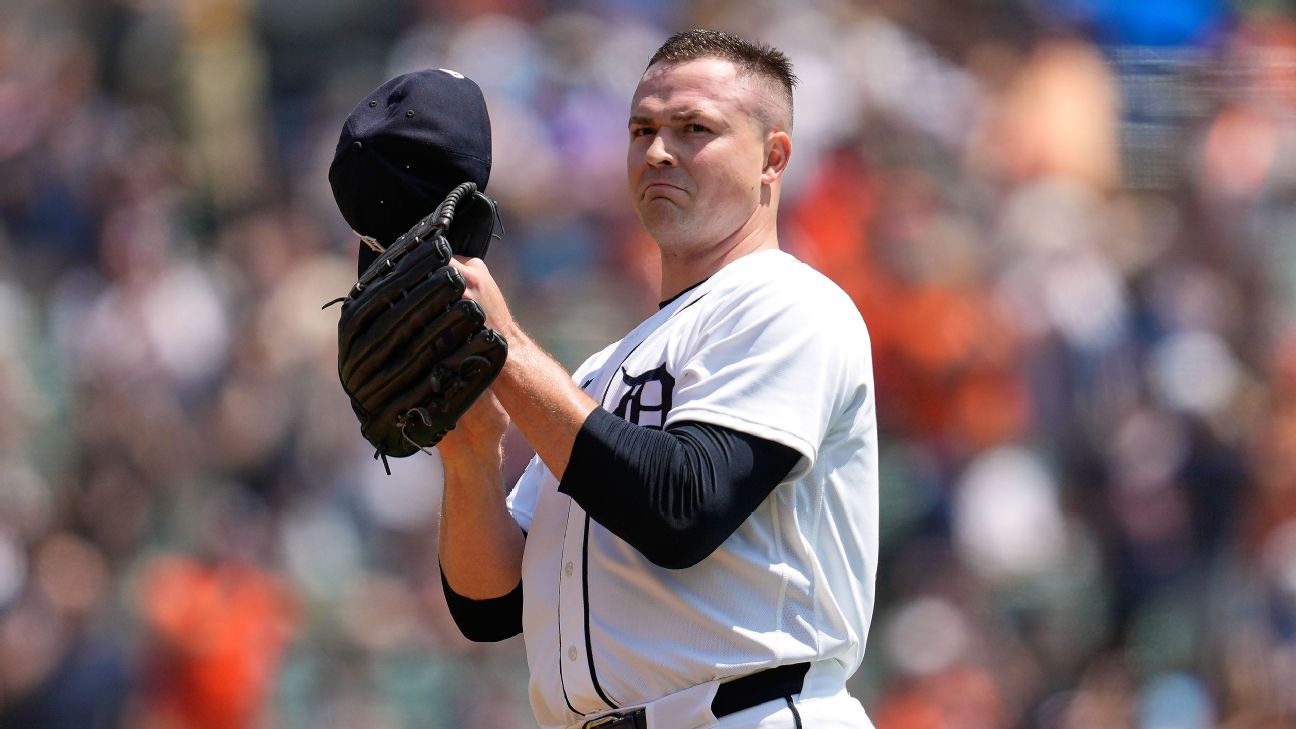
Detroit finally said the quiet part out loud: elite arms do not shop like mid-tier relievers. Scott Harris made that crystal clear while defending the Tarik Skubal trade, brushing aside the easy-fan logic that the Detroit Tigers should’ve waited until the deadline for a bigger haul.
That line matters because it tells you how the front office sees the market — and how they see themselves. Harris didn’t just frame this as a baseball decision. He framed it as a supply-and-demand decision, the kind executives make when they know the bidding pool for a true frontline starter is thin, impatient, and usually shaped by whatever the other 29 clubs are willing to do in the moment.
The market for a Skubal type is never tidy
This is where fans and front offices live in different universes.
Supporters hear “generational ace” and assume the leverage is endless. Hold the card. Wait for the last desperate contender. Let the price climb. But the market doesn’t always work that cleanly, especially for pitchers with Skubal’s profile. The teams that can actually pay are a smaller circle than the online discourse makes it sound. You’re not dealing with every club. You’re dealing with the handful that can absorb the money, stomach the injury risk, and part with enough real prospects to make the whole thing worth the pain.
That’s why Harris’ defense rings true even if it won’t soothe anyone in Detroit for a while. If the return was strong enough before the deadline, the idea that some magical July 31st standoff would automatically produce a better one is wishful thinking. Sometimes the market peaks early. Sometimes the first serious offer is the best offer. And sometimes the difference between a good package and a theoretical great one is just fan imagination.
Why Harris owned the decision so publicly
The most interesting part here isn’t the trade itself. It’s the accountability.
Harris blamed himself for putting the Tigers in a position where they had to consider moving Skubal, which is the rare executive move that actually sounds like an executive. No spinner language. No “we were just exploring all options.” He took the hit for building a roster and payroll picture that made a franchise icon available.
That matters inside the building. Players hear it. Agents hear it. Other executives definitely hear it. When a front office admits the pressure point came from its own roster construction, it signals a certain level of self-awareness. It also tells you Harris knows the fan base won’t buy the usual corporate fog machine. If you’re going to move the best arm in the organization, you better own the chain of events that made it possible.
And make no mistake, Detroit’s situation is bigger than one trade. This is the price of trying to thread the needle between contention and reset. MLB clubs hate being trapped in the mushy middle. The danger is obvious: you pay like a contender, play like a fringe team, and still end up forced into hard decisions on your best assets.
The prospect return is the real bet
The club praised the prospects coming back from Los Angeles, and that’s where the argument shifts from emotion to evaluation. You can hate losing Skubal and still acknowledge the logic of turning one ace into multiple controlled pieces. That’s the classic rebuild math. You trade certainty for volume, and then pray the volume matures into something meaningful.
The risk? Simple. Prospect returns age in a weird way. They look sharp on paper the day of the trade and very ordinary if even one top piece stalls. That’s why these deals get judged in chunks, not in the moment. One arm develops, one bat clicks, one player reaches the majors on schedule, and suddenly the trade looks survivable. Miss on the top end and the whole thing becomes the kind of decision people never forgive.
Detroit has seen this movie before, and not always with a happy ending. The Tigers have spent too many years cycling through retools, resets, and “next wave” promises. Fans are tired of being asked to trust projections instead of production. So yes, the prospects matter. They matter a lot. But they won’t matter until they start showing up in actual games with actual stakes.
You don’t move a pitcher like Skubal because you’re comfortable. You move him because you think the alternative is even riskier.
What this says about Detroit’s timeline
Here’s my read: this trade tells you Harris believes the current competitive window was too fragile to justify holding an ace at the top of his value curve. That’s a harsh admission, but a logical one. The front office clearly decided the long-term roster could be healthier with multiple shots at impact talent than with one dominant arm and a team still trying to figure out its identity.
I’ve seen enough of these deals to know the public reaction usually gets stuck on the name, not the structure. Tarik Skubal is the headline. The rest is organizational philosophy. And the philosophy here is brutally modern: if you’re not fully built to contend, don’t pretend one elite pitcher fixes everything. That’s not a rip on Skubal. It’s a verdict on the roster around him.
The parallel I keep coming back to is every team that convinced itself it was “one piece away” when it was really three or four. Those clubs cling to the star too long and then sell from weakness. Harris is arguing that Detroit didn’t do that here. He’s arguing they sold while the market still believed in the player. If the return hits, he’ll look smart. If it doesn’t, the quote about markets will be remembered as a shield.
The pressure shifts to player development now
The trade changes the conversation in a hurry. It’s no longer about whether Detroit should’ve squeezed one more month out of Skubal. It’s about whether the organization can turn the return into real major-league value before the next cycle of impatience sets in.
That’s the entire game now. Development. Timelines. Translation from scouting grades to big-league production. If the Tigers get this right, Harris will be praised for reading the room and the market before it hardened. If they don’t, every conversation will loop back to the same place: the day they let a true ace walk out the door.
Detroit chose flexibility over nostalgia. Fair enough. Now comes the part where that choice has to look smart on the field.
More from Straight From The Bench
Comments
Join the conversation — sign in to leave a comment.
Sign in to commentRelated Stories

Mets Trade Deadline: Eight-Player Selloff Leaves a Bruised Club
The Mets turned the deadline into a dismantling, shipping out eight big-league pieces and signaling a harder truth: this year was already slipping away.
Yankees trade for Heliot Ramos: right-handed bat arrives late
New York finally found the right-handed outfield help it hunted all week, landing Heliot Ramos from San Francisco in a deadline deal. The Yankees spent long enough shopping; now comes the part where t
Mets Trade Deadline: Rojas Arrives as Holmes, Taylor Head to Cubs
The Mets found their signature prospect, and the cost was bigger-league certainty. Nolan McLean’s arrival says plenty about where this club is headed.