The Open Championship TV Blunder: Sam Burns' 62 Vanishes
A historic round got treated like background noise. That’s not how majors should work.
 Zane Miller5 min read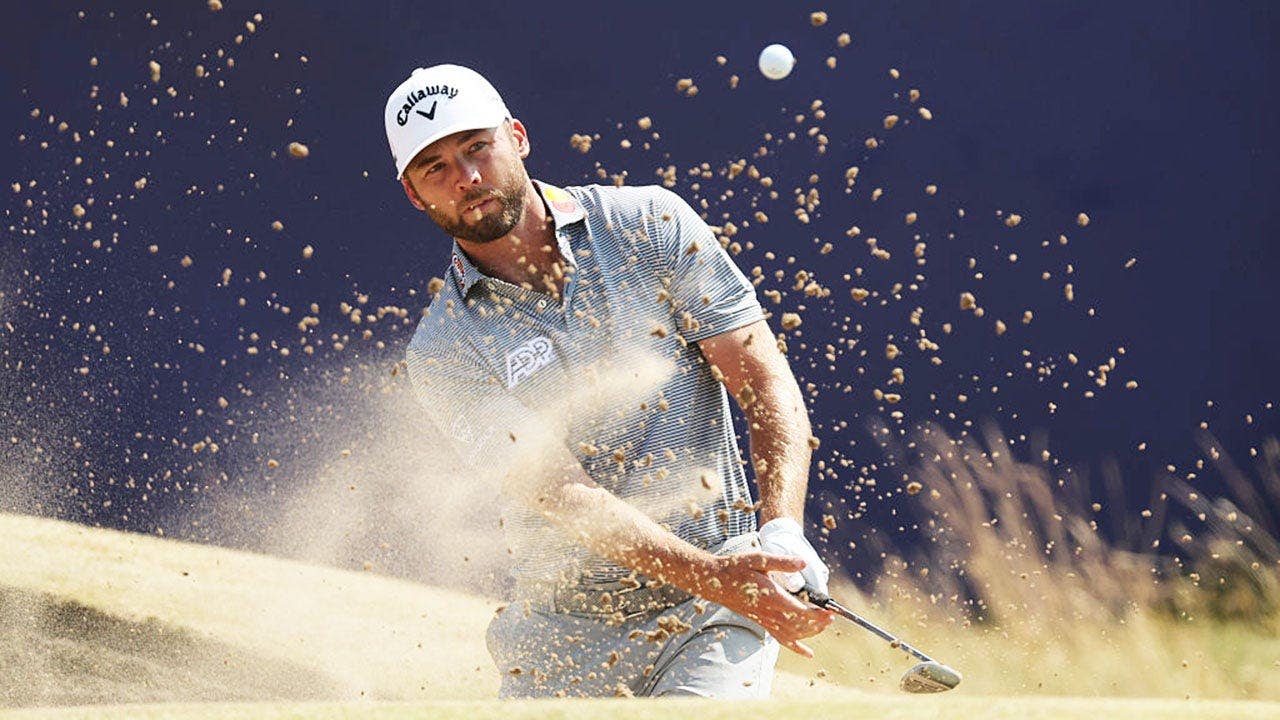
Sam Burns authored the round, TV buried the story
Sam Burns put together a 62 at The Open Championship. That’s not a nice little score line. That’s the kind of number that belongs in the opening segment, on every split screen, and in every highlight package until the sun goes down.
Instead, viewers spent most of the day wondering why they were being fed scraps while a historic round was unfolding. By the time Burns surfaced on 59 watch late, the damage was already done. The broadcast had missed the moment, and in golf, missing the moment is the whole sin.
This is the modern TV trap. Networks spend weeks selling the idea that every shot matters, every leaderboard shift matters, every major moment is sacred. Then the feed drifts to the wrong pairing, the wrong storyline, the wrong amount of dead air, and fans start rage-texting their group chats like they’ve just been robbed.
Burns didn’t just play well. He created urgency. He forced the tournament into a different conversation. And the audience couldn’t properly see it happen.
Why a 62 at The Open is supposed to own the day
A 62 at a major is not normal business. It’s the kind of score that rearranges the entire broadcast plan. It changes the tone in the booth, it changes the leaderboard math, and it changes how everyone in the building views the leaderboard chase.
That’s especially true at The Open, where conditions, history, and pressure all conspire to make birdies feel expensive. When someone goes that low, you’re not looking at routine shot-making. You’re looking at a player who caught fire at the exact time the event needed a jolt.
Burns is not some anonymous name buried in the field. He’s one of the recognizable players on the PGA Tour, someone fans know well enough to understand what a round like this means. It’s not just about a hot day. It’s about a guy forcing himself into the top of the tournament’s emotional hierarchy.
And when the broadcast doesn’t ride that wave, it loses more than a few minutes of airtime. It loses trust.
Golf fans will forgive a bad swing. They do not forgive a broadcast that misses history in real time.
The bigger TV problem: golf keeps tripping over its own product
This isn’t a one-off gripe from people yelling at their remotes. Golf broadcasts have long carried this strange contradiction: the sport wants to be treated like a massive event, but the viewing experience still too often feels like a scavenger hunt.
That tension matters more at majors. Fans are not tuning in for background scenery and safe coverage. They want pressure. They want leaderboard movement. They want to know when a player is going nuclear and when the round is teetering.
The frustration here is bigger than Burns. It’s about how coverage handles momentum in golf. The best live sports broadcasts are reactive. They smell a moment before it fully arrives. They stay glued to the right player when the number starts moving. In this case, the audience was apparently ahead of the production.
I’ve seen this movie before, and golf keeps making the same casting decision: assume the fan is patient enough to wait for the payoff. They’re not. Not anymore.
From my seat, this is where golf’s television product still looks too old-school for the way people actually consume sports now. The second a player gets hot, the internet knows. The score app knows. The betting market knows. If the main broadcast is still catching up after the fact, it’s already behind.
Burns’ round should have changed the entire broadcast mood
The Open is supposed to be theater. The wind, the links, the history, the leaderboard chaos — all of it feeds into the drama. Sam Burns gave the event a headline round and the broadcast mostly treated it like a side plot until the very end.
That creates a real downstream effect. Casual fans remember the round, but they also remember where they were told to look. And if the director misses the run, the tournament’s signature moment gets diluted.
It also affects the player. Hot rounds like this can build a tournament identity around a name. Suddenly everybody’s talking about the guy who posted the number. Suddenly his tee times matter more. Suddenly the rest of the field has to answer for him.
Burns earned that. The coverage didn’t fully.
What to watch next from here
The only thing that can rescue a broadcast miss is the next best thing: follow-through. If Burns stays in the mix, the network has a chance to repair some of the slippage by staying on him when it counts. If he fades, the clip lives on anyway — as a reminder of how quickly major championship coverage can lose the room.
This also lands in the middle of a sports-media era where viewers are far less forgiving. Golf isn’t insulated anymore. Fans can jump from a leaderboard app to a clip on social to a live thread in seconds. If the TV product isn’t the first place they hear the story, it’s already trailing.
For more on the golf side of this same chaos machine, the contrast with Bryson’s messy Open stretch tells you how thin the margin is between must-see theater and broadcast clutter.
I’ll say this plainly: if a 62 at a major doesn’t dominate the live feed, the producers have confused access with coverage. Those are not the same thing. And fans know it.
The Open still has a chance to deliver the kind of weekend everyone wants. But if Burns keeps rolling, the broadcast better keep up. Because the audience already is.
More from Straight From The Bench
Comments
Join the conversation — sign in to leave a comment.
Sign in to commentRelated Stories

The Open Championship: Bryson penalized as Birkdale turns chaotic
Jackson Suber leads, 62s fell like hail, and Bryson DeChambeau’s late penalty only deepened the oddness of a wild Friday at Royal Birkdale.
Open Championship 62s: Lucas Herbert and Sam Burns make history
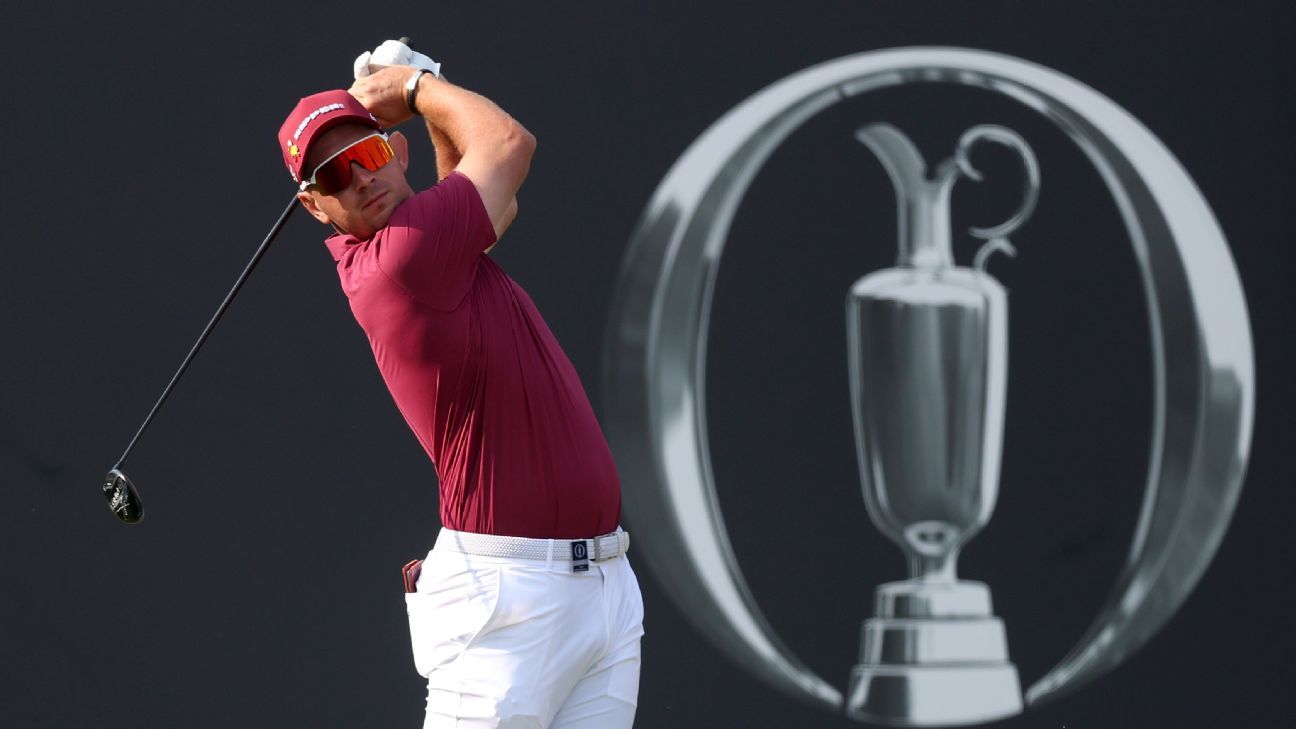
Lucas Herbert and Sam Burns matched the major scoring record with 62s at Royal Birkdale, but the day still belonged to the course’s old, stern face.
Rory McIlroy Open Championship: Stupid Mistakes Stall Early Charge
McIlroy’s opening-round 72 at [The Open Championship](https://en.wikipedia.org/wiki/The_Open_Championship) was all volatility and little reward. The scorecard says he is seven back; history says he is