
Tour de France Results: Soren Waerenskjold Stuns Fastest Stage
A long shot lit the fuse, and the peloton got caught staring.
 Leo Lupo5 min read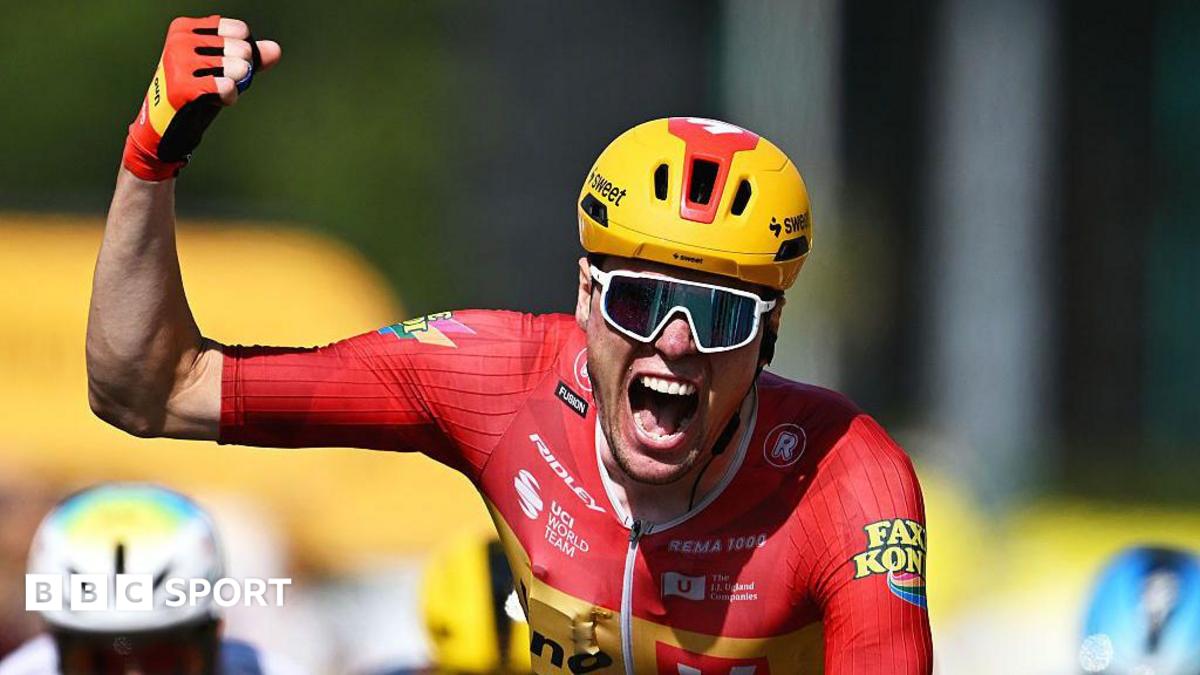
Waerenskjold picked the right moment and the favorites blinked
Soren Waerenskjold didn’t win this one with some high-minded theory of racing. He won it the old way: by being brave, by reading the road better than a pack full of shiny names, and by launching before the heavy hitters expected it. In a Tour de France built on nerves, watts, and everybody trying not to blink first, the 26-year-old Norwegian made the biggest men in the bunch look half a wheel late.
That matters. A lot.
The Tour has a way of rewarding the obvious guys — the sprint kings, the GC engines, the men with the big budgets and bigger reputations. But every so often the race remembers it’s still bicycle racing, not a filing system. Waerenskjold’s long-range sprint was the sort of move that can make a stage look simple after the fact and downright rude in the moment. One second the sprinters are circling like sharks. Next thing you know, the fish has turned and bitten back.
The peloton can have all the horsepower it wants. If a rider picks the right lane and goes first, the rest are just catching a wake.
Fastest-ever stage, and that’s no small footnote
When a Tour stage turns into the fastest ever, it usually means the whole day was flying from the gun. No loafing, no sightseeing, no one getting cute with a mid-stage nap. The pace was hot enough to turn every tactical choice into a coin flip, and that kind of racing tends to punish hesitation. The big teams can organize a perfect machine and still get mugged if they’re half a breath slow to react.
For a race like the Tour de France, speed alone doesn’t tell the whole story. A blistering stage can favor the bold, but it can also expose the lazy. Somebody has to commit first. Somebody has to believe the sprint can be won from further out than the book says. Waerenskjold believed it. The others, for just long enough, did not.
That’s the dirty little truth of a fast day: everybody looks powerful until the finish line starts coming at you in a hurry.
Norway gets another reminder that depth beats reputation
Waerenskjold’s win is also a tidy little reminder that the Norwegians keep producing riders who refuse to be background scenery. This isn’t some miracle from the back of the bus. This is a rider in his fourth Tour, experienced enough to know where the danger lives and young enough to attack it without asking permission.
The sport loves its monarchs, sure. But races like this are where depth matters. Not every headline has to belong to the same three names. A stage like this can reset a rider’s standing in a hurry, especially when it comes on a day this quick, this chaotic, and this unforgiving. One win doesn’t make a career, but it sure makes the next bunch sprint a lot more interested in where your front wheel is.
And if you want a broader frame, look around the modern peloton. The margins are absurdly slim. Teams drill positioning like it’s trench warfare. Riders spend miles just trying to survive the proper place on the road. That’s why a surprise winner still matters. It says the race is not fully domesticated yet.
What the sprinters learned the hard way
The favorite sprinters and their lead-out men will spend the night replaying the same ugly film: who hesitated, who drifted, who opened the door. That’s how these stages go. Nobody wants to be the man who looked around at the wrong second while somebody else was already on the gas. It’s one thing to lose to a more powerful finisher. It’s another to get outfoxed.
If you’re a team with sprint ambitions, this is your warning label. On a day like this, the whole operation has to be airtight. The lead-out has to be clean. The sprint has to be launched at the exact right range. And you’d better have the legs to cover a move you didn’t see coming, because once a stage hits that red line, the race stops asking polite questions.
I’ve watched enough Tours to know the script usually favors the familiar names. But the Tour also has this stubborn habit of humiliating anyone who thinks the script is the race. Waerenskjold didn’t just win a stage. He reminded everybody that timing is a weapon, and sometimes it’s the sharpest one in the bunch.
A win that travels farther than one day in yellow
For Waerenskjold, this is the sort of result that follows a rider for years. It changes the way rivals mark you. It changes the way teammates trust you. It changes the way the press room talks about you, which is often the first sign that a career has moved from promising to dangerous. Not famous. Dangerous.
There’s a reason these Tour moments stick. They are small stories inside a huge race, but they carry all the hard stuff: nerve, timing, pain, and the good sense to make your move before the door closes. That’s why we still care about surprise winners in a sport built on millimeters. They keep the whole thing honest.
I’ll take a rider who sees the opening and takes the heat over a room full of statues waiting for permission. The race is too hard for cowardice, and too long for manners.
The next stage starts with everybody pretending this one never happened. Fine. The road doesn’t care. It never has.
More from Straight From The Bench
Comments
Join the conversation — sign in to leave a comment.
Sign in to commentRelated Stories
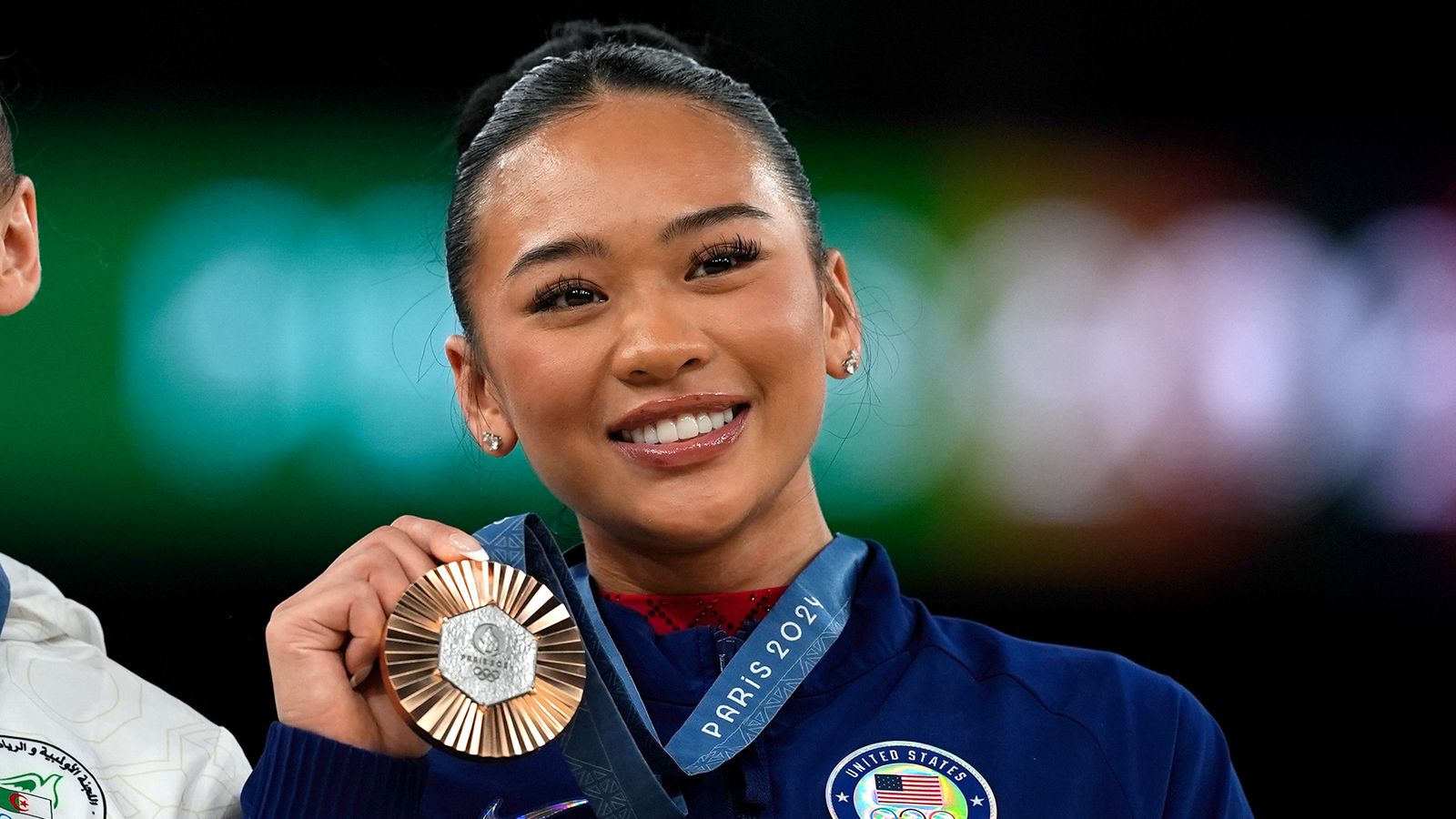
Suni Lee Gymnastics Return: Six-Time Medalist Eyes LA 2028
Suni Lee is returning to competitive gymnastics, setting her sights on the road to Los Angeles 2028. For a sport that lives on precision and heartbreak, her comeback carries real weight.
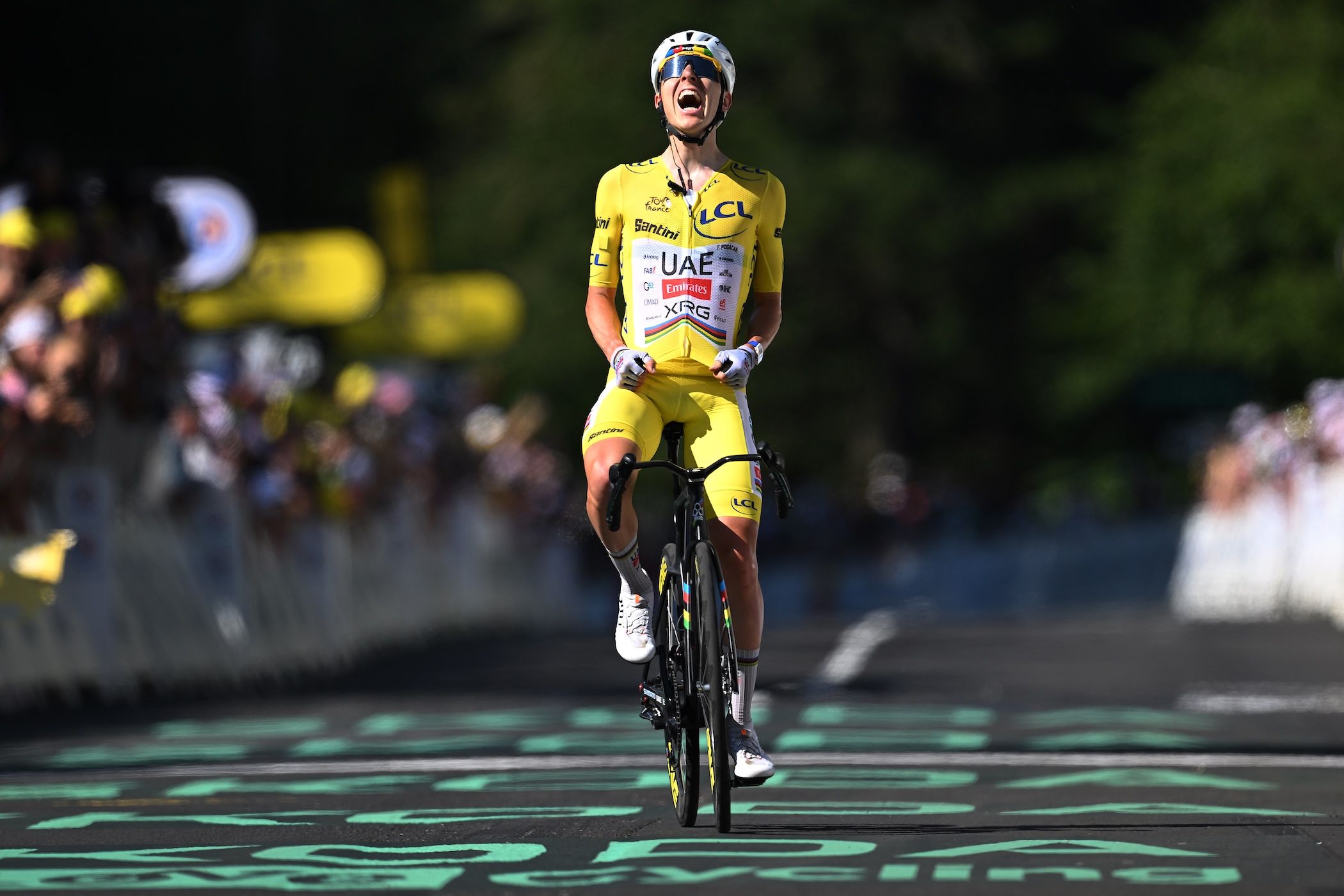
Tour de France Stage 10: Tadej Pogačar crushes rivals uphill
Tadej Pogačar stamped Stage 10 with a solo climb and widened his Tour lead again. Remco Evenepoel surged late, Jonas Vingegaard held on, and the GC picture just got sharper.
Oakland Coliseum Sale: City’s $125 Million Windfall Delayed
Oakland has agreed to sell its share of the Coliseum, but the money won’t arrive in any clean, immediate way. The deal is a lesson in municipal patience—and municipal pain.