Trevor Goosby Knee Surgery Update: Texas LT Faces Long Recovery
The Longhorns lost more than a tackle; they lost a pillar before the season’s next hard turn.
 Beatrice Kensington7 min read
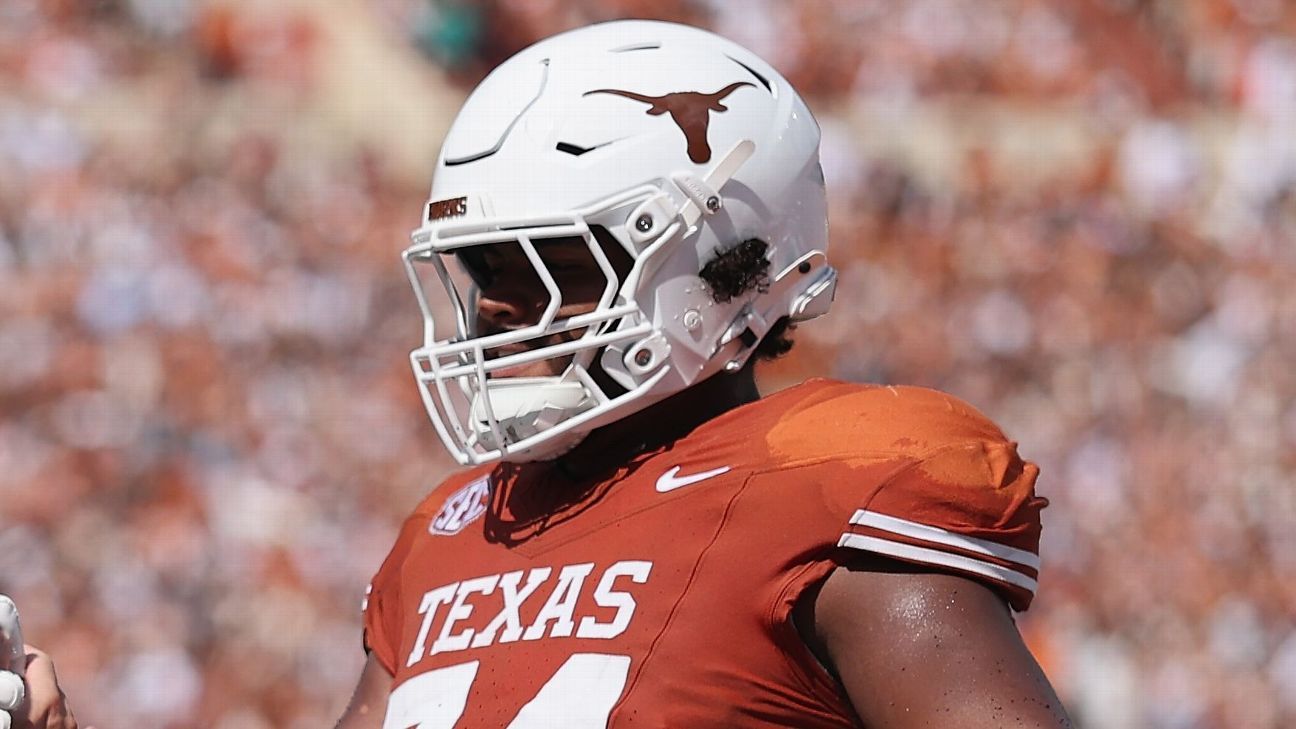
Texas woke up to the kind of injury news that changes the shape of a season without changing the scorecard. Trevor Goosby, the Longhorns’ left tackle and one of the more intriguing NFL Draft prospects in college football, has already had successful surgery on his torn left patellar tendon. The operation brings relief in the narrow sense — the repair was done, the immediate uncertainty eased — but it also marks the start of a long, stubborn road back for a player whose game is built on leverage, balance, and the violent grace of anchoring an edge.
The left tackle position is one of those football jobs that disappears into the background only when it is being done well. You do not notice it until the pocket tilts. You do not feel its absence until the quarterback begins to move with a little more urgency, until run plays lose their cleanest crease, until protection calls start sounding a shade louder. Goosby’s injury is not just a personal setback; it is a structural one. Texas can replace snaps. It cannot replace the calm that comes from knowing the blind side is secured by a man who understands how to turn chaos into a wall.
A surgery report that settles one question and opens three more
The successful repair is the encouraging part, and it should not be minimized. Patellar tendon injuries are brutal injuries for any athlete, especially for an offensive lineman, because the position demands repeated explosions out of a stance, constant weight transfer, and the sort of base strength that is asked to survive in traffic. Recovery is not just healing; it is relearning trust in the joint, the leg, the body’s memory.
That matters doubly for a player like Goosby, whose value rests on the marriage between technique and physical authority. A tackle can be tall, long, and athletic, but if the lower half is compromised, the whole operation becomes a negotiation. For scouts and line coaches, the next few months are less about the surgery report than the rehabilitation checkpoints: mobility, strength, lateral burst, and whether he can return to the patient violence that defines the position.
This is where the timing stings Texas the most. The Longhorns have been positioning themselves for the kind of season where every weakness gets magnified by expectation. Losing a premium tackle changes not only the starting five, but also how the rest of the offense is built. If you have to chip more, slide more, hide more, then the playbook shrinks a little at the edges.
What Texas loses when the left edge goes quiet
Good offensive line play is rarely glamorous, but it is often the difference between a functioning offense and one forever leaning uphill. Texas does not lose a headline-maker here; it loses the sort of steadiness that lets headline-makers work. The quarterback’s timing, the running back’s track, the coordinator’s confidence in calling deeper routes — all of it depends on the left tackle doing a thousand small things correctly.
That is why Goosby’s absence reverberates beyond one position group. The Longhorns have spent recent seasons trying to recruit and develop at a level that matches their brand, not merely their history. A premier tackle prospect becoming unavailable forces every supporting piece to shift. Younger linemen get thrust into fuller roles. The staff has to test depth sooner than planned. And every opponent on the schedule, seeing one less established protector on the edge, will dial up pressure with a little more appetite.
If you want a broader context, look at how much elite college programs now depend on retaining line continuity. In the SEC, where Texas now lives amid a weekly hailstorm of size and speed, losing a starting-caliber tackle is not a footnote. It is an invitation for trouble.
In a season built on margins, losing a blind-side protector is rarely just a medical story.
There is another layer here, too, and it concerns the draft economy. Goosby’s name had begun to carry weight because NFL teams always love what tackle prospects represent: length, scarcity, and the possibility of a premium answer at one of football’s most expensive positions. The surgery does not erase that. But it does reframe the conversation. Evaluators will now have to project not only his talent, but his recovery arc, his durability, and whether the body that once looked like a first-round template can return on schedule.
The draft clock is paused, but not erased
This is the part of the story that often gets flattened into cliché. A player is injured, the script says he will “come back stronger,” and everyone nods as if the body is a simple machine. It is not. Surgery alters routine, confidence, and sometimes identity. For a lineman, the fear is not dramatic; it is intimate. Can I anchor? Can I redirect power? Can I trust my left leg when a rusher is trying to bend the edge and turn the pocket into a collapse?
I have watched enough football to know that the public tends to romanticize the comeback and understate the cost. The rehab room is not a montage. It is repetition, boredom, small victories, and the kind of patience that rarely makes a highlight package. For a college player with professional ambitions, that patience becomes a business decision as much as a medical one.
That is why I would caution anyone who treats this as a simple pause in draft stock. The league does not stop waiting for anybody. And yet this is not necessarily a derailment, either. Goosby has time, and in football time is both cruel and generous. A clean surgery buys a cleaner path. If the recovery goes well, scouts will still circle back to the same traits that made him matter in the first place: footwork, length, and the ability to hold his ground against power.
Texas, meanwhile, has to prove it can absorb a loss that good programs are always pretending they are ready for. I suspect the staff will talk publicly about depth and opportunity, as staffs do, and there will be truth in that. But behind those words sits a quieter concern: the best teams are built to survive one injury, not to normalize it.
Texas now has to protect its season from the edges in
The Longhorns do not need sympathy. They need answers. Offensive line injuries have a way of exposing whether a roster was built with sturdy redundancy or optimistic assumptions. Texas now has a chance to show that its pipeline of linemen is real, that development is not just a recruiting pitch, and that the offense can keep its shape while one of its most important pieces heals.
There is a reason this news lands with particular force in Austin. Texas is always more than a football program; it is a state of expectation. The pressure there is not invented. It lives in the stands, in the NIL arms race, in the transfer portal, in every ranking that arrives with a sigh of skepticism. A player like Goosby becomes part of that larger machinery, a symbol of how well the program can identify and cultivate high-end talent. Losing him, even temporarily, is a reminder that no machine is exempt from human fragility.
For a related look at how Texas and the broader conference landscape are being shaped by roster movement and pressure points, our latest SEC and Texas intel offers useful background on how quickly depth charts can shift. And if you want a sense of how elite teams are thinking about personnel value at the margins, our 49ers trade deadline moves breakdown captures the same hard truth from a different level of the sport: the edges decide too much to be ignored.
For now, the surgery is a start, not a finish. Texas has its medical update. The real answer comes later, when Goosby begins the long climb back toward the player he was, and perhaps the one he still will become.
The season moves on. The rehab does, too. And the line, as always, will tell the truth first.
More from Straight From The Bench
Comments
Join the conversation — sign in to leave a comment.
Sign in to commentRelated Stories
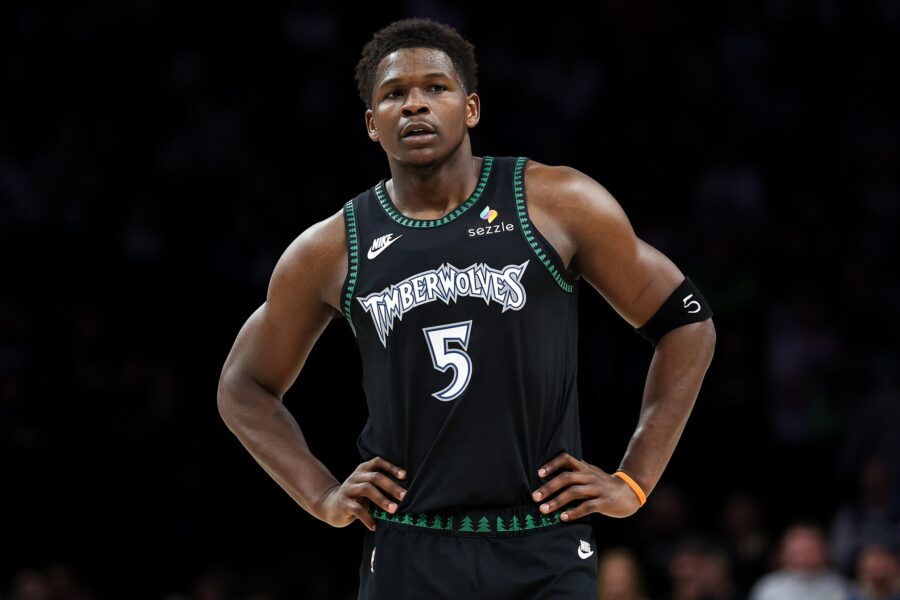
Anthony Edwards Knee Surgery Update: Timberwolves Face Long Absence
Anthony Edwards is headed for knee surgery and could miss more than two months. For Minnesota, this is more than an injury update; it’s a test of identity.
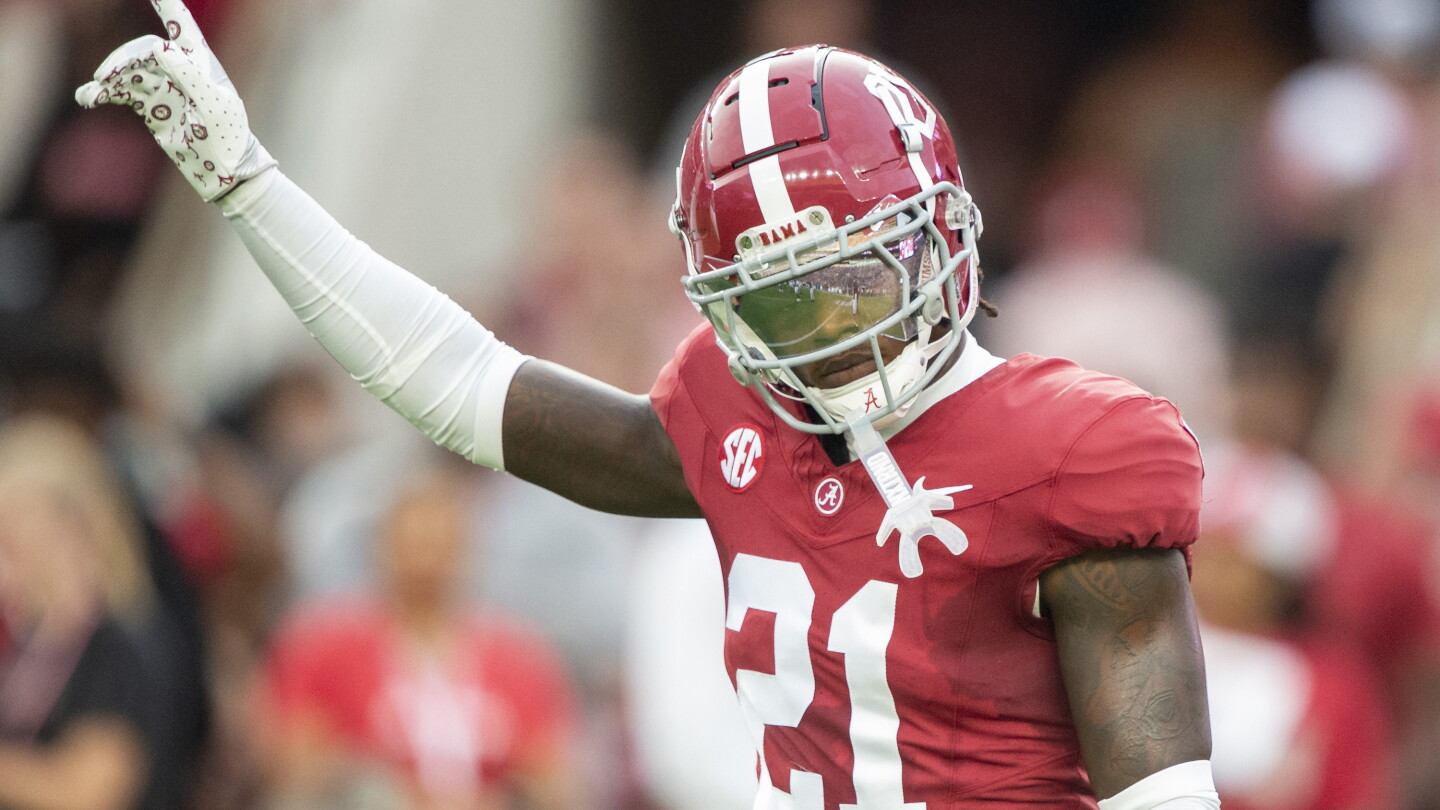
Alabama CB Dre Kirkpatrick Jr. dismissed after arrest for doxxing
Dre Kirkpatrick Jr. is out at Alabama after an arrest tied to doxxing and harassment. The dismissal speaks to more than discipline; it speaks to the standard a program must protect.
Tyrone Tracy Injury Update: Giants to Place RB on IR
The Giants will send Tyrone Tracy to injured reserve, a reminder that running back depth is never a luxury in the NFL. For New York, this is a small move with outsized consequences.