
UCLA QB Nico Iamaleava Injury Update: Season Likely Over
The Bruins just lost their most important piece at the worst possible time.
 Zane Miller5 min read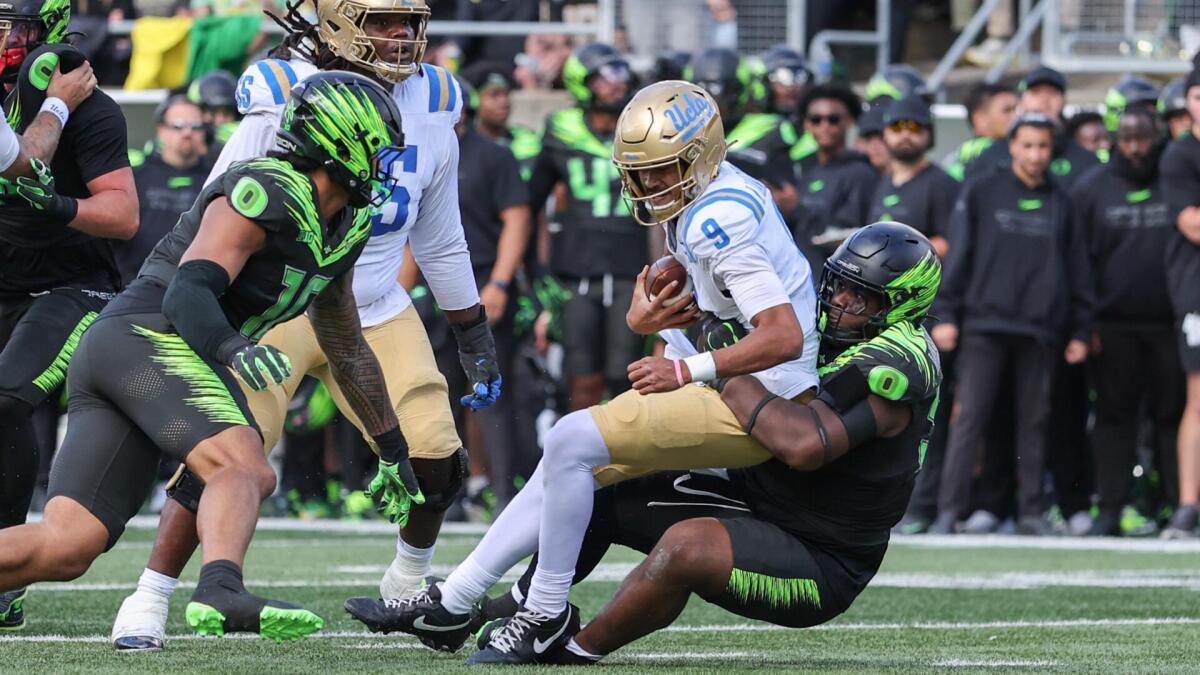
UCLA’s win came with a brutal bill
UCLA walked out of Saturday with a 17-15 win over Oregon and a gut punch that could reshape the rest of its season. Nico Iamaleava is expected to miss the remainder of the year with a knee injury, and that turns this from a feel-good upset into a roster crisis.
That’s the real story here. The Bruins beat a ranked team, got the headline, then immediately lost the quarterback they were counting on to stabilize the whole operation. College football loves chaos, but this is the kind that changes your depth chart, your play-calling, your portal planning, and maybe your calendar if the medical timeline doesn’t cooperate.
Iamaleava’s exit didn’t just shrink UCLA’s margin for error. It erased the one thing every staff wants in November: a player who can make the offense look coherent when the game gets messy.
Why this injury lands so hard for the Bruins
This isn’t just about losing a starter. It’s about losing the face of the offense in a sport where quarterback injuries can force a team to become something it never practiced being. UCLA can patch together snaps. It cannot easily patch together command, timing, and the threat of a quarterback who forces defenses to account for him on every down.
In the transfer-portal era, schools build rosters like they’re assembling layers. Quarterback is the top layer. Strip it away, and suddenly the whole thing looks thinner. The Bruins have to decide whether they can survive with a simplified plan or whether they need to get more aggressive with the passing game even while protecting whoever takes over.
That’s where the Oregon win becomes a weirdly sharp contrast. The defense can celebrate. The locker room can exhale. But the staff is now staring at a future where every opponent’s game plan gets easier to script.
This is the same kind of instant fallout we’ve seen in other programs when the quarterback room gets hit and everybody else on the roster feels it. You saw what happened in the NFL-adjacent way teams talk about workload and survivability in stories like Jaylen Warren Steelers workload — different league, same principle. Touches and snaps become precious when your best option is compromised.
The ripple effect on UCLA’s offense and season goals
The Bruins were never operating with a giant safety net. That’s the part people miss when they hear “season-ending” and move on. At this level, the quarterback drives everything from protection calls to receiver confidence. When he’s out, the entire offense gets more predictable, and predictability is poison if you’re trying to beat teams with better roster depth.
Expect the run game to get leaned on harder. Expect the staff to shrink the menu. Expect opponents to crowd the line, squeeze throwing windows, and force UCLA to prove it can win ugly without a dynamic passer steering the ship.
And yes, the ripple is psychological too. A team that just beat Oregon should be thinking about stacking momentum. Instead, it’s now in injury-management mode. That’s a hard pivot for a staff and even harder for players who just spent a week believing a signature win could be the start of something.
The upset mattered. The injury matters more.
That’s the cruel edge here. You don’t always get to keep the good feeling from a big win. Sometimes the sport invoices you immediately.
What this signals for the quarterback room and the portal
I’m going to say the quiet part out loud: this kind of injury changes how the next six weeks are managed in the building. Not just the huddle — the recruiting board, too. Coaches know the portal is where bad luck gets answered now. They know one injury can expose whether they truly built enough insurance behind the starter.
And I don’t think this is only a UCLA story. It’s a reminder to every major program chasing a competitive window that depth at quarterback is no longer optional theater. It’s the difference between staying afloat and scrambling to look respectable in November. I’ve watched enough of these seasons unravel to know the pattern: once a staff starts talking about “next man up” with a straight face, it usually means the playbook is about to get cut in half.
This is where UCLA has to show whether it’s a program or just a roster with a few headline names. Great teams absorb injuries and keep rolling. Average teams start hunting for answers before the game film even comes back. The Bruins are now in that second lane until proven otherwise.
If you want a bigger-picture parallel, look at how quickly other teams become defined by one unexpected absence. The Eagles’ London lesson was about one mistake exposing structural issues. This is the same genre of problem, only at the most important position on the field.
Oregon win becomes a memory, not a launchpad
Saturday should have been a springboard. Instead, it may wind up as a footnote: the night UCLA beat Oregon and lost Nico Iamaleava. That’s how fast college football can flip the script.
The Bruins still have games left to play, and the defense just bought itself some goodwill. But the ceiling changed. The goals changed. The margin changed. That’s what an injury like this does — it doesn’t just remove production, it resets expectation.
UCLA now has to play like a team that knows every possession matters, because every possession probably does. The rest of the season is no longer about what the Bruins can become. It’s about how much they can salvage.
And in this league, salvage jobs are where programs reveal who they really are.
More from Straight From The Bench
Comments
Join the conversation — sign in to leave a comment.
Sign in to commentRelated Stories

Florida State Football: road woes keep the Seminoles down
Florida State’s latest road stumble wasn’t just another loss. It was a reminder that the Seminoles still haven’t shaken the habits that bury teams on the road.
Oklahoma vs Texas: Red River winner and SEC upsets shake Week 6
Oklahoma’s walk-off win over No. 1 Texas was the headline, but Week 6 was really about the SEC’s top teams falling apart in public.

Alabama vs Georgia: Kalen DeBoer on refs, injuries and loss
Alabama left Athens with a 20-17 loss and a familiar feeling: one snap, one missed call, one injury swing can tilt the whole season. Kalen DeBoer’s postgame tone said plenty.