
UEFA vs FIFA Legal Action: Infantino’s World Cup Sell-Off Backlash
A reckless money play has opened an old wound between Europe and FIFA.
 Beatrice Kensington5 min read
Europe’s football brass has seen enough to reach for the legal file. UEFA’s threat to take FIFA to court over Gianni Infantino’s failed attempt to sell a slice of future World Cup profits to private investors is not a mere bureaucratic squabble in a carpeted conference room. It is a signal flare, lit high over the game’s governing class, warning that the old bargain — football’s soul for football’s money — has become less tenable by the year.
This was never going to be sold as a modest accounting exercise. A proposal to trade on the tournament’s future revenues in exchange for immediate cash invites the most basic of questions: who, exactly, owns the game’s tomorrow? And who gets to mortgage it? UEFA has now forced that question into daylight.
The money was never the whole story
The structure of global football finance has long depended on a kind of studied abstraction. Fans see the shirts, the stadiums, the anthem and the confetti; the institutions see broadcast contracts, sponsorship waterfalls and the vast machinery that turns a month of national myth into a balance sheet. But when an organization starts floating the idea of selling future World Cup profit participation to outside investors, the abstraction turns into something more blunt and more dangerous.
That is the line UEFA appears unwilling to let FIFA cross without a fight. The concern is not simply that the deal failed. It is that the attempt itself revealed a governing appetite for leverage, for treating the sport’s most valuable event like an asset class rather than a public trust.
There is a reason such proposals make football people tense. Once a future revenue stream is carved up, the people in charge are no longer just custodians; they are debt arrangers. And debt has a way of deciding policy long after the press conference ends.
UEFA’s threat is really about leverage
UEFA’s posture here should be read as politics with a legal brief attached. European football has spent decades living in a wary, useful marriage with FIFA: dependent on the World Cup’s global prestige, suspicious of the federation’s power, and increasingly eager to remind it that the game’s credibility cannot be managed like a private equity deck.
The request for evidence from at least 18 FIFA executives adds a sharper edge. It says UEFA is not merely objecting to the concept; it is preparing to test the paper trail. That matters because the governance crisis in football rarely comes dressed as an outright scandal. It usually arrives as process, as opacity, as a whisper that decisions were made in rooms too small for public comfort.
For readers who have followed the sport’s recurring power struggles, this has the grim familiarity of a UEFA and FIFA standoff that could stretch well beyond this one failed sell-off plan. UEFA has no interest in letting FIFA normalize a model in which the game’s flagship tournament becomes collateral for short-term ambition. The Europeans know how quickly “temporary financing” can become institutional dependency.
Infantino’s legacy problem is getting harder to ignore
Infantino has always sold himself as the man who can modernize football’s ossified machinery. Sometimes that means expanding tournaments, sometimes it means promising more money in more places, and sometimes it means wrapping a bold idea in the language of progress until the seams show. This episode fits the pattern. The pitch may have been framed as innovation. To many inside football, it looks more like a bid to unlock future cash without fully accounting for future consequences.
Football’s governing bodies do not merely mismanage money. They repeatedly test how much institutional trust they can spend before the public calls the debt due.
That is the real damage here. Once FIFA starts flirting with monetizing future World Cup profits for private backers, it asks everyone else to believe that the tournament’s value can be sliced apart without altering the meaning of the event itself. But the World Cup is not just a revenue engine. It is a civic ritual for a global audience, one of the few sporting spectacles that still makes nations lean toward the same television glow.
To turn that into a finance instrument is not just aggressive. It is culturally clumsy.
What this means for football’s power map
I have long believed football’s governance troubles are less about one bad actor than about a system that rewards reach and punishes restraint. My own view is that UEFA’s anger here is partly principled and partly strategic, but that does not make it less revealing. Institutions rarely develop moral clarity in a vacuum. They usually find it when their interests and their ethics happen, for once, to point in the same direction.
This is where the parallel to other sports governance fights becomes instructive. When money pressures build, leagues and federations often call it evolution. The public usually experiences it as extraction. Football is only more ornate about it, more fluent in ceremonial language. Strip that away, and the question is simple: does the game belong to its participants and supporters, or to the financial engineers trying to repackage its future?
UEFA’s legal threat suggests the answer is being contested more aggressively now. And that contest could have consequences beyond one failed plan. If FIFA is seen as willing to pawn off future World Cup value, then every major commercial decision it makes from here on out will be read through a harsher lens. Trust, once strained, rarely returns in tidy condition.
The ripple effects are already visible in the tone of the dispute. This is not a minor disagreement over line items; it is an argument over the moral ownership of football’s biggest stage. That is why even a failed proposal can matter. It leaves fingerprints.
UEFA has drawn a line in the grass. FIFA now has to decide whether to step back from it — or spend the next months explaining why the game’s future was ever for sale in the first place.
The next move will tell us plenty. And football, as always, will pay for the answer.
More from Straight From The Bench
Comments
Join the conversation — sign in to leave a comment.
Sign in to commentRelated Stories
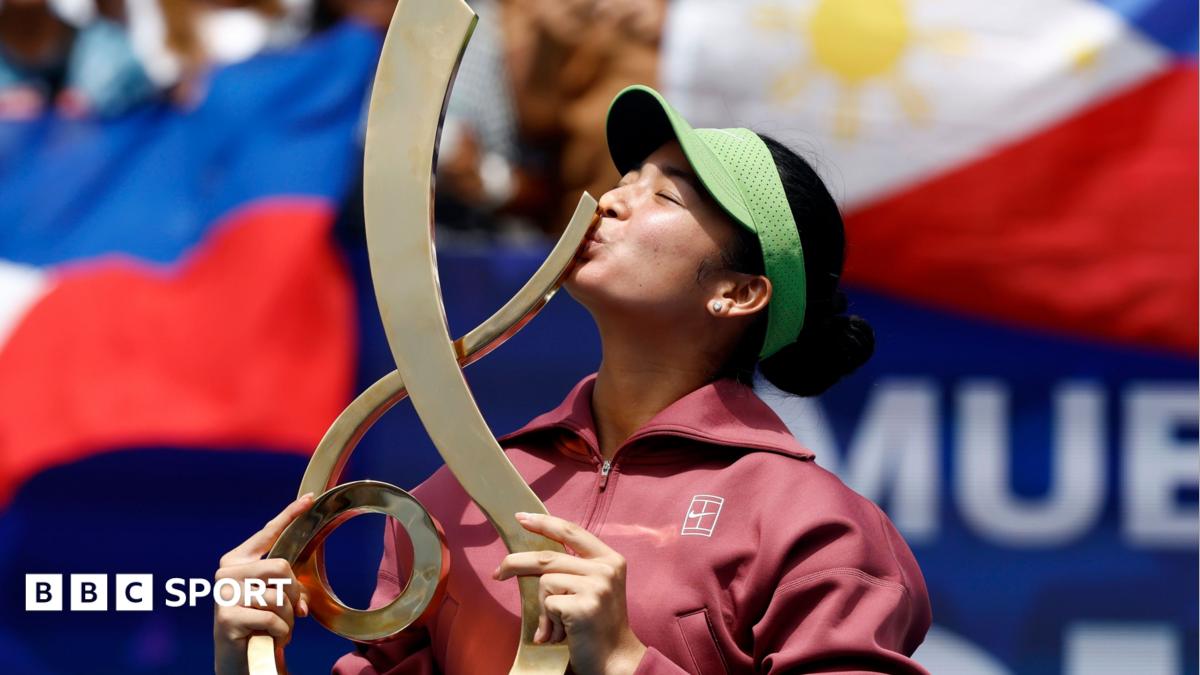
Alexandra Eala First Title: Filipino History in Washington
Alexandra Eala’s breakthrough in Washington was more than a title run. It was a hard-earned, rain-spattered announcement that Filipino tennis has arrived on a bigger stage.
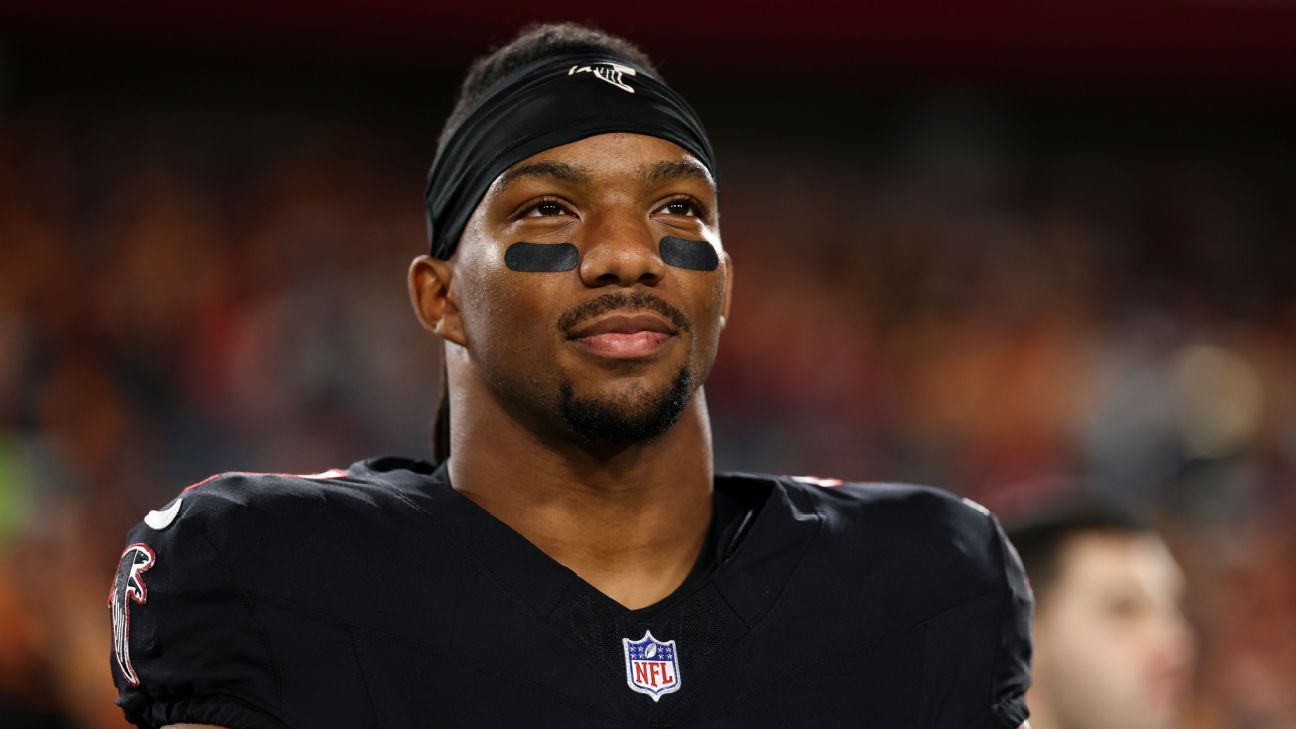
Bijan Robinson Extension: Falcons Make RB History at $75M
Bijan Robinson is now the highest-paid running back in NFL history, and the Falcons are betting their offense runs through him for years.

John Harbaugh on Arvell Reese: Giants rookie starts camp fast
Arvell Reese turned heads in the Giants’ first padded practice, and John Harbaugh is already sounding encouraged. That’s August oxygen, not October proof.