
WNBA Activism Debate: Michele Tafoya Rips League Identity
The old broadcaster says the league traded hoops for messaging. That’s a charge with legs and a bruise attached.
 Leo Lupo5 min read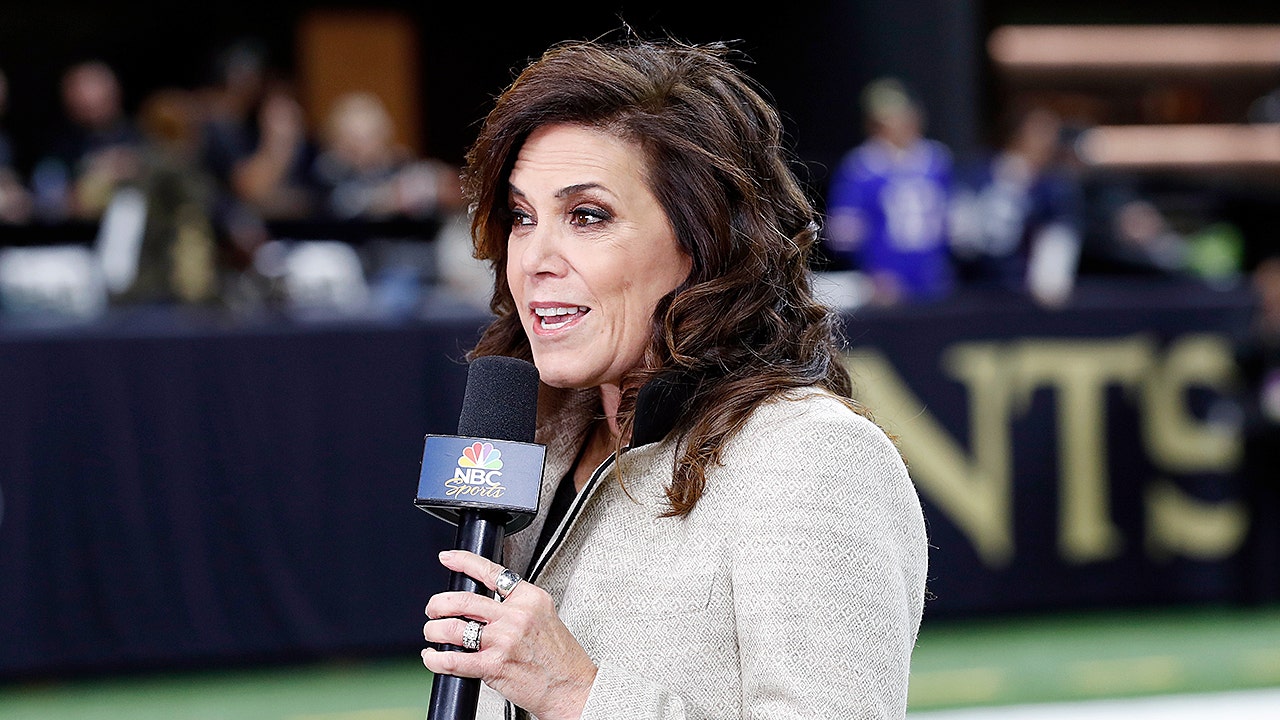
Michele Tafoya took a swipe at the WNBA this week, and she didn’t do it with a velvet glove. She said the league she once knew has turned into activism first, basketball second, and she held up Sophie Cunningham as the sort of player women’s sports ought to be saluting instead of scolding. That’s not a throwaway jab. That’s a line in the sand.
The thing about the WNBA is this: it has never existed in a vacuum. Not in its early years, not now. The league was built in the shadow of bigger men’s sports, then grew up in public, under pressure, with every stumble and every statement treated like a referendum on the whole enterprise. So when somebody like Tafoya says she no longer recognizes it, she’s not just talking about a league office or a postgame outfit. She’s talking about a shift in tone, in presentation, in what gets rewarded and what gets rolled into the tape machine by morning.
The old broadcast lens is gone, and Tafoya noticed
Tafoya’s point, stripped of the spice, is pretty simple: she remembers a league that sold itself on hoops. Hard cuts. Tight rotations. Guard play. Shotmaking. Rivalries that were allowed to breathe. Back then, even the critics knew what they were arguing about. Now, everybody’s got a sermon, a clip, a statement, and a reaction to the statement.
That’s the friction here. Some fans want the WNBA to be a clean basketball product and nothing else. Others say the league’s social voice is part of its identity, part of why it matters, part of why it reaches people who never used to pay attention. Both sides have a case. But once the public conversation tilts so hard toward messaging that the game itself becomes the supporting actor, you invite blowback. That’s just how it works. The minute people think they’re being sold a cause instead of a competition, the aisle gets narrower.
And let’s be honest: the league hasn’t helped itself every time it turns a sideline look, a bench reaction, or a media scrimmage into a central story. There’s only so much room in the sports refrigerator. If you fill it with politics, branding, grievance, and moral theater, don’t act shocked when somebody asks where the basketball went.
Sports can carry a message. They just can’t survive if the message starts playing point guard.
Why Sophie Cunningham became the handy symbol
Sophie Cunningham being treated as a hero in this conversation is less about one player than what she represents. She’s a useful contrast for people who feel the league has grown too polished, too scripted, too eager to signal where it stands before it gets to the box score. Cunningham has built a reputation as a feisty, physical, no-nonsense player. That kind of profile always plays better with old-school fans than with the idea-police crowd.
That doesn’t mean she’s some banner carrier for every disgruntled observer. It means she’s the sort of player who reminds people basketball is a contact sport with a clock attached. Not a panel discussion with sneakers on.
Tafoya’s praise of Cunningham also tells you something about how these arguments get formed. Fans and commentators love a human shortcut. One player becomes the emblem of “the right way,” another becomes the emblem of “the problem,” and before long the actual nuance is gone. Cunningham didn’t create the league’s image crisis, if you want to call it that. She just happens to fit the frame for people tired of what they see as a league talking over its own game.
The WNBA’s real problem is bigger than one hot take
Here’s the part that matters beyond the latest radio dustup. The WNBA is in a strange and powerful spot. It has more attention than ever, more national oxygen, and more crossover energy than it’s had in years. That ought to be good news. But attention is a hungry beast. It doesn’t just feed on highlights. It feeds on conflict, identity, outrage, and whoever has the loudest mic.
That makes every internal decision feel larger than it should. What a coach wears. What a player says. What the league promotes. Who gets framed as the face of the product. People are watching all of it with the suspicion of a cop at closing time.
And if you think this is only about women’s basketball, take a look around the sports shelf. The same fight pops up everywhere. Fans want authenticity, but they also want entertainment. They want athletes to have a voice, but they don’t want the game buried under it. That contradiction isn’t going away because a broadcaster says something sharp on a podcast.
My take: the league should stop handing critics easy material
I’ve been around long enough to know this much: if you want fewer lectures about politics in sports, don’t build your nightly product around looking like a lecture. That doesn’t mean anybody needs to sit down and shut up. Athletes are citizens. Coaches are citizens. Broadcasters are citizens. They get to speak. Always have.
But leagues also make choices, and choices send signals. If the public feels the WNBA is using the game as a delivery truck for everything else, then the league has already lost the argument before it starts. Fair or not, that’s the battlefield. You don’t win trust by telling people they’re wrong to notice what’s right in front of them.
I’ll tell you what this reminds me of: every era has its version of “what are we really selling here?” In the old days, it was whether the league could market stars without flattening the game. Now it’s whether the league can let its players be fully human without turning every broadcast into a thesis paper. That’s a trick worth solving, because the WNBA has enough real basketball drama to stand on its own two feet. It doesn’t need extra smoke.
The league should be careful not to let outside noise define its center of gravity. Build around the play. Build around the rivalries. Build around the stars doing hard things on a hard floor. Leave the theater for the people who can’t help themselves.
The next flare-up is already waiting somewhere. The only question is whether the league wants to keep feeding it or finally get back to the part that made people care in the first place.
More from Straight From The Bench
Comments
Join the conversation — sign in to leave a comment.
Sign in to commentRelated Stories
Caitlin Clark Trans Athletes Take: Fever Star, Bigger Than Basketball
Caitlin Clark’s comments on trans athletes lit up the usual loud corners, but the bigger story is the weight now riding on every word she says. That’s what superstardom does.

Women’s Pro Baseball League opening anthem: why the moment mattered
The first pitch was only part of the story. In a debut shaped by music, memory, and scrutiny, the league found itself under the harshest kind of spotlight.

Red Sox Adley Rutschman Catching Update: New Team, New Test
Adley Rutschman is already learning the hard part of joining a new club: trust. The bat can wait. The signals, the rhythm, the little stuff can’t.