
WNBA All-Star Game 2026: Caitlin Clark, A'ja Wilson Shine in Chicago
The league’s brightest names shared one floor, and the sport felt bigger because of it.
 Zane Miller5 min read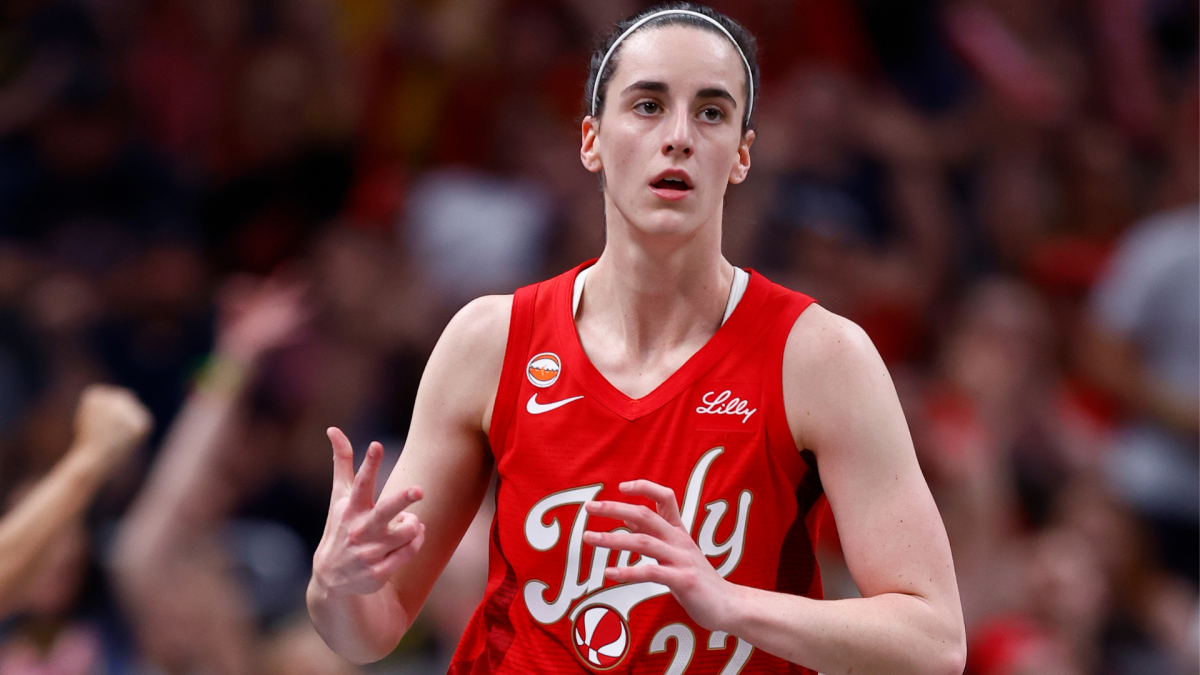
Chicago got the full-star treatment
Saturday night in Chicago was never going to be subtle. The WNBA rolled its best possible card into the United Center, and the league did what it always hopes this weekend can do: make the product feel unmissable. Caitlin Clark and A’ja Wilson on the same floor is the kind of pairing that cuts through everything — social feeds, casual attention, the whole algorithm soup. Add the rest of the league’s elite, and you had a stage built to sell the sport without saying a word.
That matters more than the usual All-Star fluff. This isn’t just a celebration game anymore. It’s a distribution event. A referendum on who the league is, who gets the spotlight, and how much of that spotlight can be shared without diluting the draw.
The WNBA doesn’t need to invent stars. It needs nights that let them all breathe at once.
Clark and Wilson are the league’s two-way traffic
Caitlin Clark brings the overflow crowd, the casuals, the first-time scanners who know the name even if they can’t tell you the rest of the rotation. A’ja Wilson brings the standard. She’s the player everybody in the building understands by now — the one whose dominance doesn’t need an apology or a marketing deck.
Put them together and the league gets the rare thing every commissioner wants and every broadcaster chases: overlap. Different audiences, same event. Different entry points, same product.
That’s the real win here. Not “look, stars played together.” It’s that the WNBA can now stage an event where one player can drag in the noise and another can anchor the credibility. That’s a strong place to be. It says the league has moved beyond a single-campaign pitch. There’s depth to sell.
Paige Bueckers being part of the conversation only sharpens it. The next wave is already here, and these All-Star settings are where the handoff starts to look real instead of theoretical.
Chicago’s spotlight is a business story too
The choice of Chicago wasn’t random. Big market, iconic building, national TV window, easy for the league to frame as a centerpiece night. The WNBA has spent years trying to turn marquee events into proof of concept, and this one had the right ingredients: recognizable names, a major arena, and a matchup of personalities that travel well.
If you’re the league office, this is the kind of night you point to when you talk about momentum. Not because one exhibition changes the financial map, but because it reinforces the direction. Star power is finally spread across more than one lane. That’s how you build durable attention. That’s how you keep the league from leaning too hard on any single face.
It also helps that Chicago knows how to host a moment. The building has seen its share of heavy nights, and on a summer showcase like this, the setting matters. The United Center gives the whole thing a little extra weight. This didn’t feel like a pop-up. It felt like the league was taking over a real basketball stage.
If you want the cleanest comparison, think about how big events in other leagues use venue and timing to lift the entire product. It’s why the WNBA keeps leaning into occasions like this. The game itself matters, sure. But the image travels farther.
What this night says about the WNBA hierarchy
The All-Star format always tells you something, even when the players are there mostly to have fun. Who gets the loudest reaction. Who gets the broadcast time. Who gets framed as the face of the next five years.
This is where Clark and Wilson sit in the same sentence without forcing it. One is the magnet. One is the benchmark. That’s not a slight to anyone else on the floor. It’s just the reality of modern star ecosystems. The league doesn’t need to flatten that hierarchy. It needs to use it.
And that’s where my read kicks in. I think the WNBA is entering the phase where the conversation changes from “Can it sustain this attention?” to “How many stars can it support at once?” That’s a much healthier problem. It means the league is less dependent on novelty and more dependent on competition, personality, and repeatable events.
I’ve seen enough sports cycles to know the trap: a league gets one breakout season of attention and then spends two years trying to make every answer about infrastructure. The better path is simpler. Keep putting elite players in prime windows, let the audience sort itself out, and don’t be afraid of the fact that some names pull harder than others. That’s not a flaw. That’s the fuel.
The next test comes fast
All-Star weekends can vanish the second real games return. That’s the danger. The highlight clips trend, everybody feels good, and then the calendar moves on.
But this one has a chance to stick because the league’s current stars are arriving in layers. Clark is not a one-off. Wilson is not fading. Bueckers is already part of the next conversation. That’s how a league gets continuity instead of bursts.
If the WNBA keeps packaging nights like this — with the right venue, the right window, and the right blend of star power — it won’t just be selling an event. It’ll be building muscle memory for a bigger audience.
And that’s the part to watch now. Not whether one All-Star game was loud. Whether the league can make loud feel routine.
More from Straight From The Bench
Comments
Join the conversation — sign in to leave a comment.
Sign in to commentRelated Stories
Ryan Clark ESPN Controversies: The Worst Takes That Sank Him
Ryan Clark’s ESPN run turned noisy, messy, and finally unsustainable. The takes got sharper, but the credibility started slipping right through the floorboards.
Tour de France Stage 20: Richard Carapaz wins Alpe d'Huez epic
Richard Carapaz took a brutal Stage 20 over Alpe d’Huez after Sepp Kuss cracked late and Remco Evenepoel surged for second. In the high Alps, the race finally showed its teeth.

Azzi Fudd WNBA 3-Point Contest Win: Rookie Makes History
Azzi Fudd turned her All-Star debut into a small, bright landmark, becoming the first rookie to win the WNBA 3-point contest. The shot-making was clean; the symbolism was louder.