
WNBA Commissioner Cathy Engelbert Retirement: A League at a Crossroads
She leaves with the house bigger, louder and a lot harder to manage.
 Leo Lupo5 min read
Engelbert leaves with the league bigger than she found it
Cathy Engelbert is stepping out after seven-plus years as commissioner of the WNBA, and that’s no small thing. She took over a league that still had to fight for airtime, for respect, for oxygen in the sports media bloodstream. Now the league is talking expansion, revenue growth, stronger attendance, and a player base that can move the needle with one good night in July. That’s the clean version.
The messy version is part of the job too. Engelbert’s tenure was transformative, sure, but it was also a steady parade of labor tension, player frustration, and the sort of growing pains that show up when a league finally starts acting like it knows its worth. Big progress rarely comes with quiet hallways. It comes with arguments about money, travel, charter flights, standards, and who gets the credit for the boom.
The business got bigger. So did the expectations.
The WNBA under Engelbert stopped being a niche afterthought and started behaving like a league with leverage. That matters. Leverage means better bargaining position, better sponsors, better visibility, and better long-term planning. It also means every stumble gets examined under a brighter bulb. The old days of “please notice us” are gone. Good riddance.
The next commissioner won’t be walking into a rescue mission. This is a stewardship of growth now, and growth is its own kind of trap. If you move too slow, the players and fans tell you. If you move too fast without a plan, the whole thing gets sloppy. Ask anyone who has watched a league try to scale before the infrastructure is ready. It gets ugly in a hurry.
The WNBA no longer needs a promoter. It needs a steady hand with a backbone.
Labor issues never stayed in the background
Engelbert’s era was never just about media rights and expansion slogans. The player relationship mattered, and not always in a warm, smiling way. The modern WNBA player is more visible, more marketable, and far less willing to accept second-tier treatment. That’s not a problem. That’s reality. A league can either adapt to that reality or get dragged by it.
This is why her retirement lands as more than an executive footnote. The next commissioner inherits the CBA temperature, the travel standards, the workload debate, and the ongoing push to make the league’s business model match the quality of the basketball. A lot of folks love to praise the stars and skip the machinery underneath. Can’t do that here. The machinery is the story. The league’s boom has been built on star power, yes, but also on the stubborn, unglamorous work of making the product viable year-round.
For a little context, leagues don’t just “grow.” They negotiate, they squeeze, they recalibrate, and sometimes they alienate people while doing it. The WNBA is at that point where every decision says something about whether it wants to be treated like a major league or merely marketed like one.
The next commissioner inherits a hot seat, not a victory lap
This is where the league gets serious about succession. The next person won’t be judged on whether the WNBA is relevant — that argument is long dead. They’ll be judged on whether they can turn relevance into stability. There’s a difference. Big one.
Expansion is part of the picture, and so is the continued rise of the game’s biggest names. The league has never had more public pull. You can see it in arenas, in TV chatter, in the constant churn of attention around the stars. But attention is a sugar rush unless the structure holds up. If the commissioner’s chair gets filled by somebody who thinks the job is mostly ceremonial, they’ll find out fast. This league has grown too loud for soft leadership.
I’ve been around long enough to see plenty of “new eras” announced with trumpets and confetti, only to watch the adults in the room trip over their own shoes. The WNBA can’t afford that now. Not with the audience bigger, the players sharper, and the stakes higher. Engelbert’s retirement closes one chapter, but it also removes the shield. The next commissioner won’t get credit for building the house. They’ll get judged on whether the roof leaks.
That’s the part folks miss in these handoff moments. A league can survive a tough commissioner. It can survive a few bad headlines. What it can’t survive for long is muddled direction. Engelbert’s run gave the WNBA stature. The next run has to give it trust.
A league ready for the next fight
The timing is no accident, even if the announcement is tidy on paper. The WNBA is heading into another stretch where everything matters: the economics, the player relations, the public appetite, the competition for sports attention. With the league’s profile higher than it’s ever been, the job changes from “build” to “protect and sharpen.” That’s harder than it sounds. Always is.
If you want a hint of what this next phase needs, look at how other leagues handled their own transition from fringe to full-time civic property. The ones that lasted didn’t just chase headlines. They built systems that could absorb growth without chewing up the people on the floor. That’s the assignment now.
Engelbert gets her due for taking the WNBA through a massive climb. Nobody serious denies that. But the league she leaves behind is not the same one she took over, and that’s exactly why her replacement has a hard job. Bigger audience. Bigger money. Bigger scrutiny. Same old calendar.
The next commissioner won’t be asked to save the league. They’ll be asked to keep it honest while it keeps climbing. In this business, that’s the real test.
More from Straight From The Bench
Comments
Join the conversation — sign in to leave a comment.
Sign in to commentRelated Stories
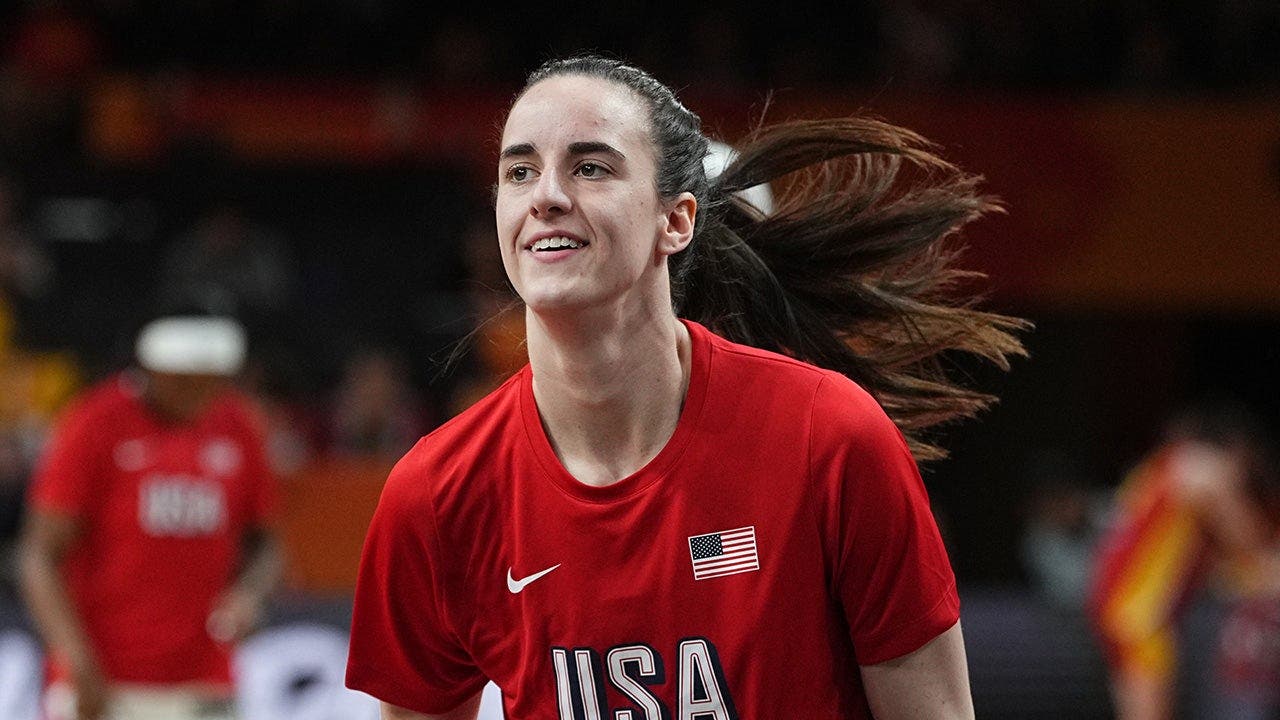
Caitlin Clark Team USA Bench Role: Why China Opener Mattered
Caitlin Clark opened her senior Team USA run off the bench against China, a reminder that international hoops still runs on veterans and fit.

Shilo Sanders Bankruptcy Trial: Creditor Collapses in Court
A Denver courtroom turned startlingly human when the man owed millions by Shilo Sanders collapsed on the witness stand. The case is about debt, yes, but also about privilege, pressure and the long sha

Team USA FIBA World Cup roster: who can deliver gold?
Caitlin Clark headlines a Team USA roster with no shortage of buzz. The trick now is turning names into defense, chemistry, and a gold medal.